Managing rental properties in today’s market demands more than spreadsheets and handwritten notes. Property owners and managers face increasing expectations from tenants, tighter regulatory requirements, and growing competition. As portfolios expand, even slightly, manual processes become inefficient and error-prone. Modern property management tools offer structured, automated solutions that bring clarity, control, and consistency to rental operations.
TLDR: Property management tools streamline rent collection, tenant communication, maintenance tracking, accounting, and compliance. They reduce administrative workload, improve accuracy, and enhance tenant satisfaction. From small landlords to large-scale property managers, digital platforms centralize critical processes and provide better visibility into performance. Adopting the right tool can significantly improve efficiency and long-term profitability.
Whether you manage a single-family rental or a multi-unit portfolio, structured systems are essential. Reliable software solutions help ensure that no payment is missed, no maintenance issue goes unresolved, and no lease document is misplaced. When used properly, these tools transform property management from a reactive task into a proactive, data-driven operation.
Why Property Management Tools Matter
Rental property management requires coordination across financial tracking, legal documentation, tenant communication, and maintenance logistics. Without dedicated tools, managers often juggle emails, paper files, accounting spreadsheets, and messaging apps. This fragmentation increases risk and reduces operational visibility.
Centralized management systems consolidate everything into one secure platform. The benefits include:
- Reduced administrative time
- Improved accuracy in financial reporting
- Better tenant communication
- Streamlined maintenance workflows
- Transparent documentation and audit trails
Most modern platforms are cloud-based, enabling remote access from any device. This accessibility is crucial for property managers overseeing multiple locations or working with distributed teams.
Core Functionalities of Property Management Software
While specific features vary between providers, comprehensive rental management tools typically include several essential components.
1. Rent Collection and Payment Processing
Rent collection is the financial foundation of rental operations. Automated systems allow tenants to pay online via bank transfers, credit cards, or other digital methods. Managers can:
- Set up recurring billing cycles
- Automate late payment reminders
- Apply penalties automatically
- Track payment histories in real time
This automation substantially reduces late payments by sending timely reminders and simplifying the payment experience. It also minimizes manual reconciliation and enhances cash flow predictability.
2. Tenant Screening and Application Management
Securing reliable tenants is one of the most critical aspects of rental management. Modern property management platforms often integrate screening services that evaluate:
- Credit history
- Employment verification
- Income-to-rent ratios
- Rental background checks
Digital applications centralize applicant information and create consistent screening processes. This reduces bias, improves compliance, and supports better decision-making.
3. Lease Management and Document Storage
Leases and addenda must be securely stored and easily retrievable. Property management systems provide digital document storage, electronic signature capabilities, and reminders for lease renewals.
Key benefits include:
- Secure cloud-based documentation
- Automated renewal notifications
- Easy version control and updates
- Convenient sharing with tenants
Centralized recordkeeping also simplifies audits and ensures compliance with local regulations.
4. Maintenance Tracking and Work Order Management
Maintenance coordination is one of the most time-consuming aspects of property management. Tenants expect fast resolution of issues, and delayed responses can harm retention rates.
Property management platforms typically provide:
- Tenant maintenance request portals
- Automated work order generation
- Vendor assignment tracking
- Cost logging and invoice management

These tools create accountability and visibility. Managers can track issue resolution times, compare vendor performance, and monitor maintenance costs across properties.
5. Accounting and Financial Reporting
Accurate accounting is fundamental for compliance, tax filing, and portfolio evaluation. Many property management tools include built-in accounting features or integrations with established accounting platforms.
Features often include:
- Automated expense categorization
- Income statements and balance sheets
- Owner payout tracking
- Tax-ready financial reports
This financial transparency is especially important for property managers overseeing properties on behalf of multiple owners.
Tenant Communication and Experience
Modern tenants expect digital convenience. Communication portals within management tools allow tenants to submit requests, receive announcements, and access lease documents without repeated phone calls or emails.
Effective communication features typically include:
- In-app messaging
- SMS or email alerts
- Community announcements
- Document sharing capabilities
When communication is documented within a system, disputes can be resolved more easily. Clear records reduce misunderstandings and protect both tenants and landlords.
Security and Compliance Considerations
Handling sensitive tenant data requires robust security practices. Reputable property management platforms use encryption, secure user authentication, and role-based permissions.
Property managers should ensure that their chosen system:
- Complies with data protection regulations
- Provides secure data backups
- Offers controlled access for staff members
- Maintains audit logs of user activity
In addition, legal requirements related to fair housing laws, security deposit handling, and lease disclosures must be supported through proper documentation and workflow safeguards.
Scalability for Growing Portfolios
What works for managing one or two units may fail entirely at 50 or 100 units. A reliable property management tool should scale alongside portfolio growth.
Indicators of scalability include:
- Multi-property dashboards
- Custom user roles and team permissions
- Bulk communication capabilities
- Advanced analytics and reporting

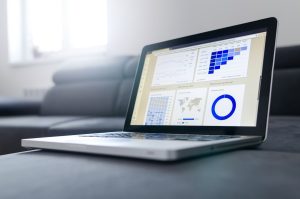
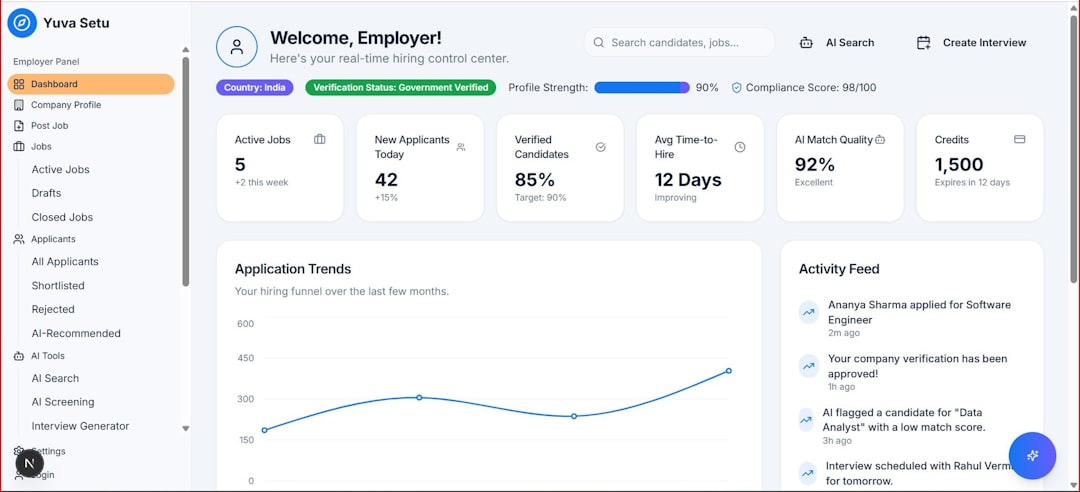
With comprehensive dashboards, managers can quickly identify occupancy rates, outstanding payments, and maintenance backlogs across locations.
Integration Capabilities
No software operates in isolation. The ability to integrate with other systems enhances efficiency and reduces double data entry.
Common integrations include:
- Accounting platforms
- Online listing services
- Payment processors
- Customer relationship management systems
Well-designed integration frameworks ensure that data flows seamlessly between systems without manual intervention.
Choosing the Right Property Management Tool
Selection should not be based solely on cost. Instead, property managers must consider their operational needs, portfolio size, and long-term objectives.
Key factors to evaluate:
- Ease of use – Is the interface intuitive?
- Feature alignment – Does it support your workflow?
- Customer support – Is assistance readily available?
- Pricing structure – Are fees predictable and transparent?
- Data security – Are strong protection standards in place?
Trial periods or demo versions can help determine whether a platform fits your organization’s operational culture.
The Strategic Advantage of Digital Management
Property management tools are more than administrative aids. When used strategically, they provide data-driven insights that inform business decisions. Managers can analyze trends in vacancy rates, identify recurring maintenance issues, and evaluate tenant retention metrics.
Over time, these insights support:
- Optimized rental pricing strategies
- Improved capital expenditure planning
- Reduced turnover rates
- Enhanced tenant satisfaction
Digital systems also create a professional impression. Tenants are more likely to trust and remain with landlords who provide organized communication and efficient support processes.
Conclusion
Effective rental management requires structure, consistency, and accountability. Property management tools offer a comprehensive framework for overseeing rent collection, tenant relations, maintenance coordination, and financial reporting. By consolidating critical processes into secure digital environments, these platforms reduce administrative burdens while increasing operational transparency.
For landlords and property managers committed to long-term stability and growth, investing in the right management platform is not merely a convenience—it is a strategic imperative. Leveraging the right tools strengthens control, enhances tenant experiences, and supports sustainable profitability in an increasingly competitive rental market.