Running a hotel today is not just about fluffy pillows and friendly smiles. It is about being everywhere your guests are looking. Booking sites. Travel apps. Your own website. And they all need the same information at the same time. That is where hotel channel managers come in. They keep your listings synced and your sanity intact.
TLDR: A hotel channel manager is software that syncs your room rates, availability, and bookings across multiple platforms automatically. It prevents double bookings and saves hours of manual work. It updates everything in real time. If you want fewer errors and more bookings, you probably need one.
What Is a Hotel Channel Manager?
A hotel channel manager is a tool that connects your property to multiple online booking platforms. Think Booking.com. Expedia. Airbnb. Agoda. Your direct booking website.
Instead of logging into each platform and updating room availability one by one, you update everything in one central place. The channel manager does the rest.
Simple.
It pushes out:
- Room availability
- Nightly rates
- Restrictions (like minimum stay)
- Promotions
And it pulls in:
- Reservations
- Guest details
- Booking modifications
- Cancellations
All in real time.
Why Syncing Listings Matters
Imagine this.
You have one last deluxe room available.
A guest books it on Expedia.
At the same time, someone else books it on Booking.com.
Now you have a problem.
This is called a double booking. Guests get angry. You scramble to fix it. You might have to walk a guest to another hotel and pay for it.
Not fun.
A channel manager prevents this. The moment a room is booked on one platform, availability is reduced everywhere else.
Instantly.
How Channel Managers Work
Let us break it down in simple steps.
- You connect your property to a channel manager.
- You link your booking platforms.
- You map your room types to each platform.
- You set your rates and availability.
That is it.
After setup, the system continuously communicates between platforms. It acts like a translator and messenger at the same time.
When something changes, it updates everywhere.
No spreadsheets. No constant logging in. No guesswork.
Key Features to Look For
Not all channel managers are the same. Some are basic. Some are powerful.
Here are important features to consider:
1. Real-Time Updates
This is critical. If updates are delayed, you risk double bookings. Real-time syncing keeps your inventory accurate.
2. Two-Way Integration
A good system pushes updates out and pulls reservations back in automatically.
3. Central Dashboard
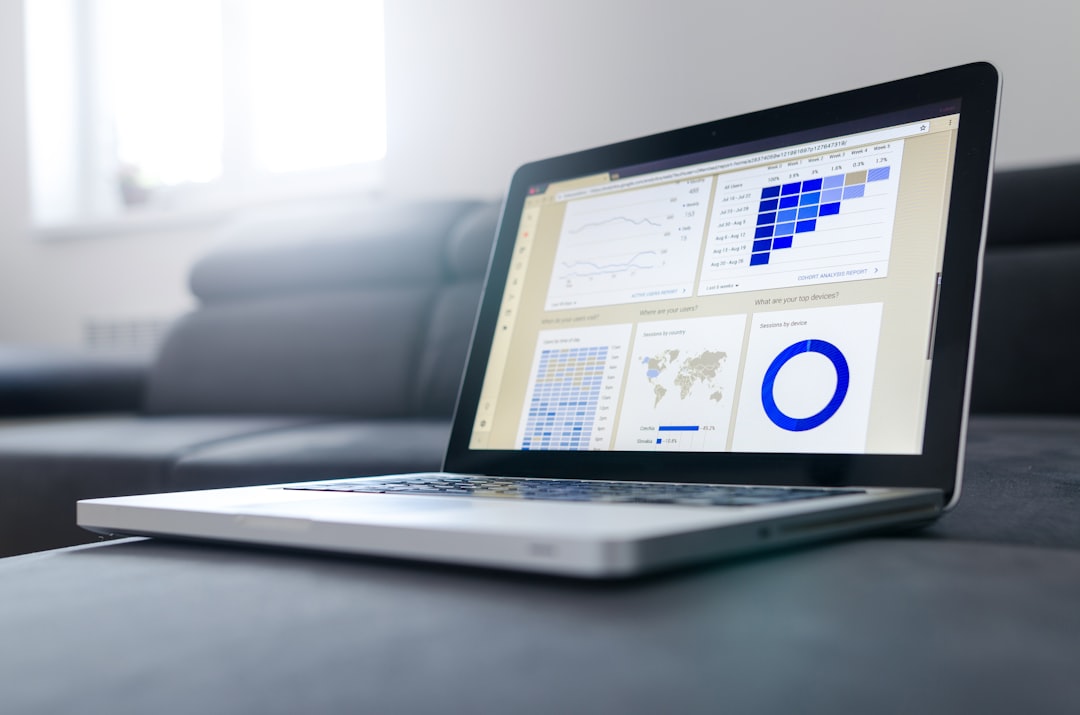
You should see everything in one clear view:
- Occupancy rates
- Upcoming arrivals
- Revenue data
- Channel performance
4. Rate Management Tools
You should be able to adjust pricing easily across all platforms. Some systems even allow dynamic pricing rules.
5. Reporting and Analytics
Data helps you grow. The software should show which channels perform best.
6. PMS Integration
If you use a Property Management System (PMS), your channel manager should sync with it. This automates check-ins, housekeeping updates, and billing.
Who Needs a Channel Manager?
You might think this is only for big hotels.
It is not.
Channel managers are helpful for:
- Boutique hotels
- Resorts
- Hostels
- Vacation rentals
- Bed and breakfasts
- Serviced apartments
If you list on more than one booking site, you can benefit from one.
Even small properties save hours each week.
The Benefits in Real Life
Let us look at what actually improves when you use a channel manager.
1. Time Savings
Manual updates take time. Lots of it.
Without automation, you might:
- Update rates five times per day
- Adjust availability after each booking
- Check for cancellations manually
With a channel manager, those tasks disappear.
You focus on guests instead.
2. Fewer Errors
Humans make mistakes. It is normal.
Automation reduces:
- Overbookings
- Incorrect pricing
- Missed reservations
Accuracy goes up. Stress goes down.
3. Increased Revenue
When your rooms are visible everywhere and always accurate, more guests can book confidently.
You also can:
- Adjust prices during high demand
- Launch promotions faster
- Sell last-minute rooms easily
More visibility often means more bookings.

Common Myths About Channel Managers
Myth 1: They Are Too Expensive
Yes, there is a monthly fee.
But compare that cost to:
- Lost revenue from overbookings
- Staff hours spent updating listings
- Guest compensation expenses
Often, the software pays for itself.
Myth 2: Setup Is Too Complicated
Initial setup takes some time. But most providers offer support. After setup, daily use is simple.
Myth 3: Small Properties Do Not Need One
Even a 5-room guesthouse can double book. Even small places need synchronization.
Channel Manager vs. Property Management System
These tools are different.
A channel manager connects you to booking platforms.
A property management system (PMS) manages internal operations like:
- Check-ins and check-outs
- Invoices
- Housekeeping schedules
- Guest profiles
Many modern systems combine both. That is efficient.
But if you already have a PMS, make sure your channel manager integrates smoothly.
How to Choose the Right One
There are many options on the market. So how do you pick?
Ask yourself these questions:
- Does it connect to all the platforms I use?
- Is it easy to understand?
- Does it update in real time?
- What is the monthly cost?
- Is customer support reliable?
Also check reviews from other hoteliers.
And request a demo before committing.
Tips for Getting the Most Out of It
Buying software is one thing. Using it well is another.
Keep Your Rates Strategy Clear
Know your pricing rules. Use dynamic pricing if possible. Adjust for seasonality.
Monitor Channel Performance
Not all platforms perform equally.
Check:
- Commission rates
- Booking volume
- Guest quality
Focus on what works best.
Train Your Staff
Make sure more than one person understands the system. This prevents chaos if someone is absent.

The Future of Channel Management
The hospitality world keeps changing.
Channel managers are becoming smarter.
Many now offer:
- AI-based pricing suggestions
- Automatic rate adjustments
- Revenue forecasting tools
- Mobile management apps
This means you can manage your hotel from your phone. Anywhere.
Technology is not replacing hospitality. It is supporting it.
The goal is simple. Less admin. More guest happiness.
Final Thoughts
Managing multiple booking platforms manually is exhausting. It invites errors. It limits growth.
A hotel channel manager simplifies everything.
It syncs your listings. It protects your inventory. It supports revenue growth.
Most importantly, it gives you back time.
Time to improve guest experience. Time to train staff. Time to plan smarter strategies.
In a world where travelers book rooms within seconds, speed and accuracy matter.
And that is exactly what a channel manager delivers.
Smart syncing. Fewer headaches. More bookings.
Sounds like a win.