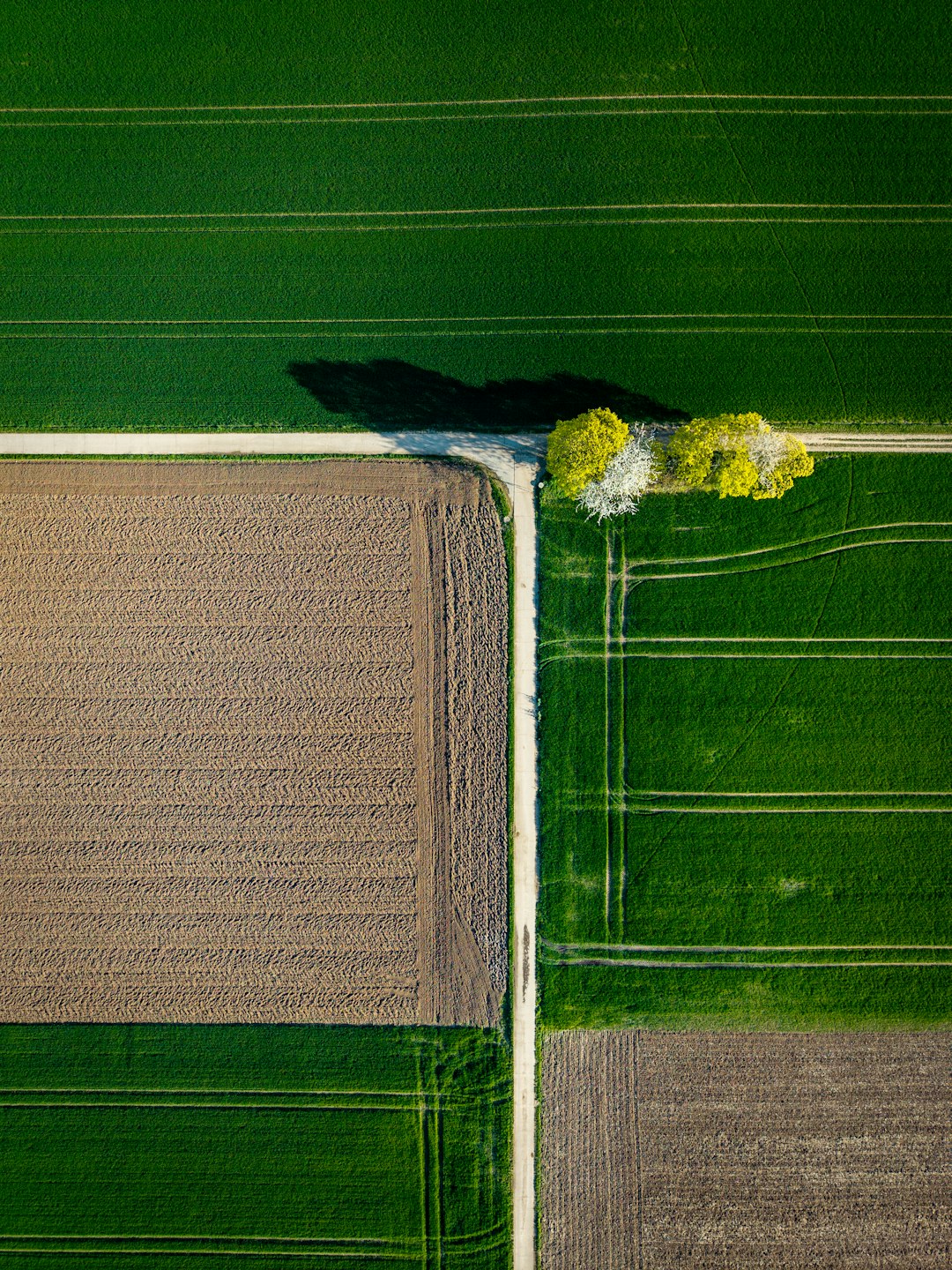
Farming today is not just about soil, seeds, and sunshine. It is also about data, timing, and smart decisions. Agriculture farm management software is changing how farmers grow crops. It helps monitor fields, track progress, and solve problems faster. And the best part? It makes farming easier and more profitable.
TLDR: Agriculture farm management software helps farmers track crops, soil, weather, and equipment in one place. It uses data to improve decisions and boost yields. Farmers can save time, reduce waste, and increase profits. It turns complex farm tasks into simple digital actions.
Let’s break it down in a fun and simple way.
What Is Agriculture Farm Management Software?
Think of it as a digital assistant for your farm. It lives on your computer, tablet, or phone. It collects information about your fields. It tracks what you plant. It monitors how crops grow. It even reminds you when to water or fertilize.
Instead of writing everything in notebooks, you store it all in one smart system.
Here is what it usually manages:
- Crop planning
- Soil health data
- Weather tracking
- Irrigation schedules
- Pest and disease alerts
- Equipment usage
- Harvest records
Everything stays organized. Everything stays updated.
Why Crop Monitoring Matters
Crops can’t talk. But they do give signs. Yellow leaves. Slow growth. Dry soil. Pest damage.
If you spot problems early, you can fix them early. That means less loss and more yield.
Farm management software helps you:
- See changes in crop health quickly
- Respond to problems faster
- Reduce waste of water and fertilizer
- Increase overall productivity
Imagine knowing exactly which part of your field needs attention. Not guessing. Not walking acres blindly. Just checking your dashboard.
How It Monitors Crops
Modern systems use smart technology. Some connect to sensors in the soil. Others use drones or satellites. Many combine everything into one platform.
These tools can measure:
- Soil moisture levels
- Temperature
- Humidity
- Nutrient content
- Plant health through imagery
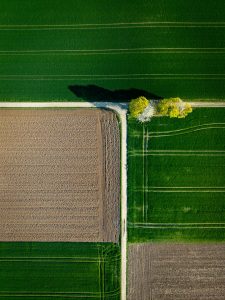
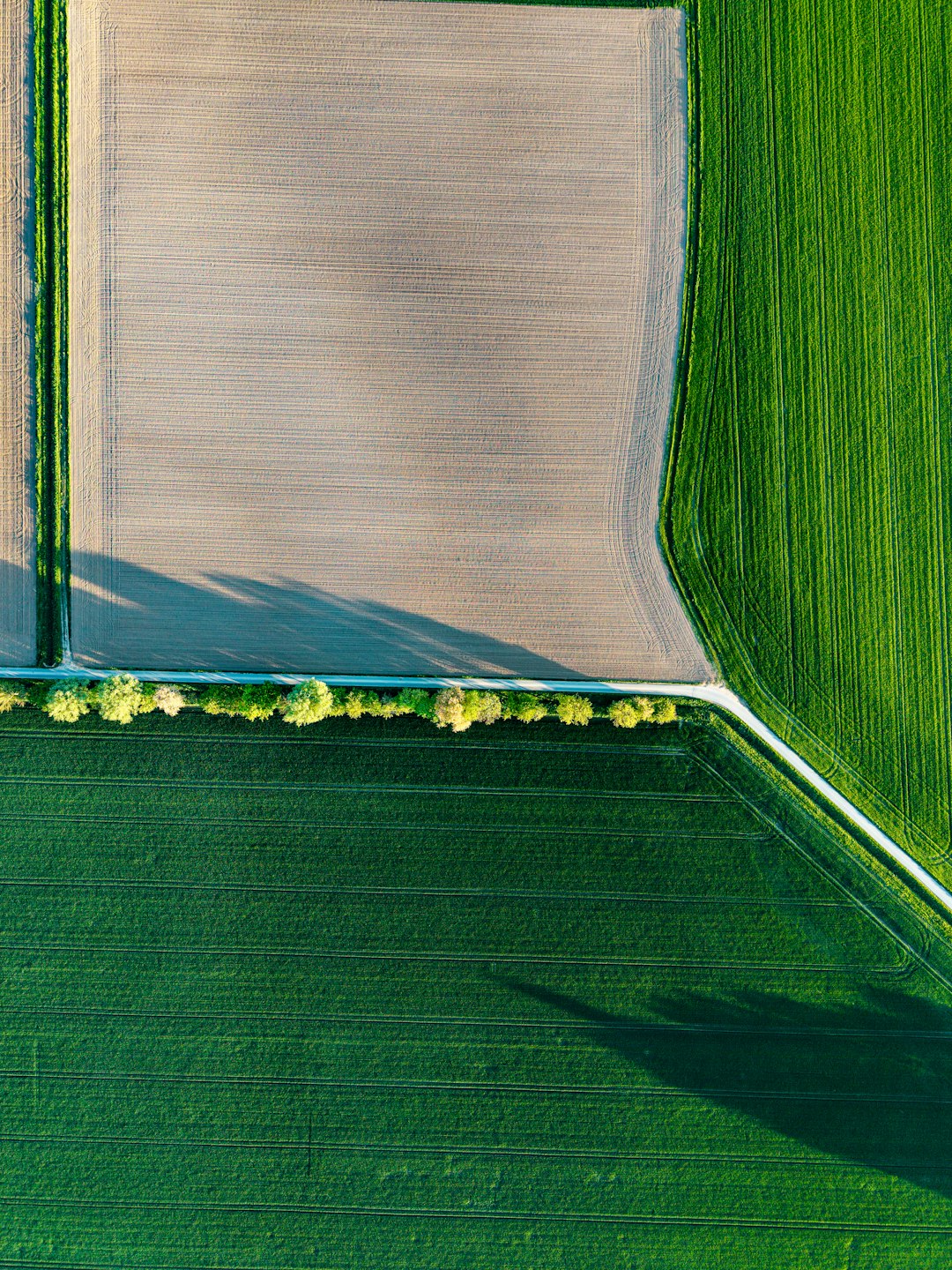
For example, satellite images can show which areas are stressed. A red or yellow patch might mean low nutrients. Or too little water. Or even disease.
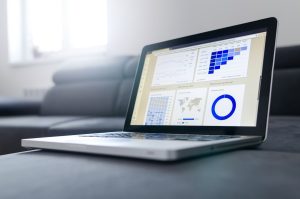
The software turns this data into easy charts and maps. You do not need to be a tech wizard. You just read the results and act.
Real-Time Weather Tracking
Weather controls everything in farming. Rain. Wind. Heat. Frost.
Farm management software often connects to local weather stations. It gives real-time updates. It also provides forecasts.
This helps farmers:
- Plan irrigation
- Schedule planting
- Avoid spraying before rain
- Prepare for storms
A simple alert on your phone can protect an entire season’s work.
Smarter Irrigation Management
Water is precious. Too much water harms roots. Too little water weakens crops.
The software monitors soil moisture levels. It tells you when the soil is dry. It may even automate irrigation systems.
This means:
- Less water waste
- Lower costs
- Healthier plants
- Better environmental care
Instead of watering the entire field, you can target specific zones. That is precision farming.
Tracking Pests and Diseases
Pests are small. But the damage is big.
Farm management software can record past pest issues. It shows patterns. It may even send alerts when conditions are right for certain diseases.
For example, if humidity is high and temperature is warm, fungal diseases may spread. The system can warn you before things get out of control.
Early action saves crops. It also reduces chemical use.
Data-Driven Decisions
Farming involves hundreds of decisions. When to plant. What variety to choose. How much fertilizer to use.
Software provides historical data. You can compare:
- This year’s yield vs last year’s yield
- Different seed varieties
- Different fertilizer plans
- Weather patterns across seasons
Data removes guesswork. It gives confidence.
For example, you may discover that one field section always produces less. After checking soil data, you might adjust nutrients. Or change crops entirely.
Equipment and Labor Management
Crops are not the only thing to manage. Tractors. Sprayers. Workers. Fuel.
Farm software often tracks equipment usage. It logs operating hours. It schedules maintenance.
This helps prevent breakdowns during critical times like harvest.
It can also manage labor schedules. You know who worked where. And for how long.
Better management means smoother operations.
Financial Tracking Made Easy
Profit matters. Farming is a business.
Many platforms include financial tools. They track:
- Input costs
- Seed purchases
- Fertilizer expenses
- Equipment maintenance
- Sales revenue
You can see which crops are most profitable. You can track return on investment. You can plan budgets better.
Numbers become clear. Not confusing.
Cloud Access and Mobile Use
Modern farm software is cloud-based. That means your data is stored online.
You can access it from anywhere. In the field. At home. Or even on vacation.
Mobile apps make it simple. Farmers can:
- Upload photos of crop issues
- Check field maps
- Update task completion
- Receive instant alerts
Farm management fits in your pocket.
Better Sustainability
Today’s farms must care for the environment. Consumers expect it. Regulations require it.
Smart monitoring helps reduce:
- Overwatering
- Excess fertilizer use
- Pesticide overapplication
- Fuel waste
Using only what is needed protects soil health. It protects water sources. It supports long-term farming success.
Good for the planet. Good for profits.
Challenges to Consider
No tool is perfect.
Farmers may face:
- Initial setup costs
- Learning new technology
- Internet connectivity issues
- Data security concerns
But many systems are user-friendly. Training is often provided. And long-term savings usually outweigh the starting costs.
Like any investment, it requires commitment.
Is It Only for Big Farms?
Not at all.
Small and medium farms benefit just as much. Some software packages are scalable. You choose features based on your needs.
A small vegetable farm can use it for irrigation and crop planning. A large commercial farm can use advanced satellite analysis.
The technology grows with you.
The Future of Crop Monitoring
The future looks exciting. Artificial intelligence is getting smarter. Predictive analytics can forecast yields. Machine learning can detect diseases earlier.
Soon, farms may become even more automated. Tractors may plant and harvest using exact digital maps. Sensors may continuously adjust irrigation in real time.
Everything connected. Everything optimized.
But at the center of it all is still the farmer. Technology supports. Farmers decide.
Final Thoughts
Agriculture farm management software is not just a trend. It is a powerful tool. It helps monitor crops carefully. It simplifies daily tasks. It improves yields and reduces waste.
Farming will always require hard work. But smart tools make that work more efficient.
With real-time data, clear insights, and simple dashboards, farmers can focus on what they do best. Growing healthy crops. Feeding communities. Building sustainable futures.
And now, with the help of technology, they can do it smarter than ever before.