
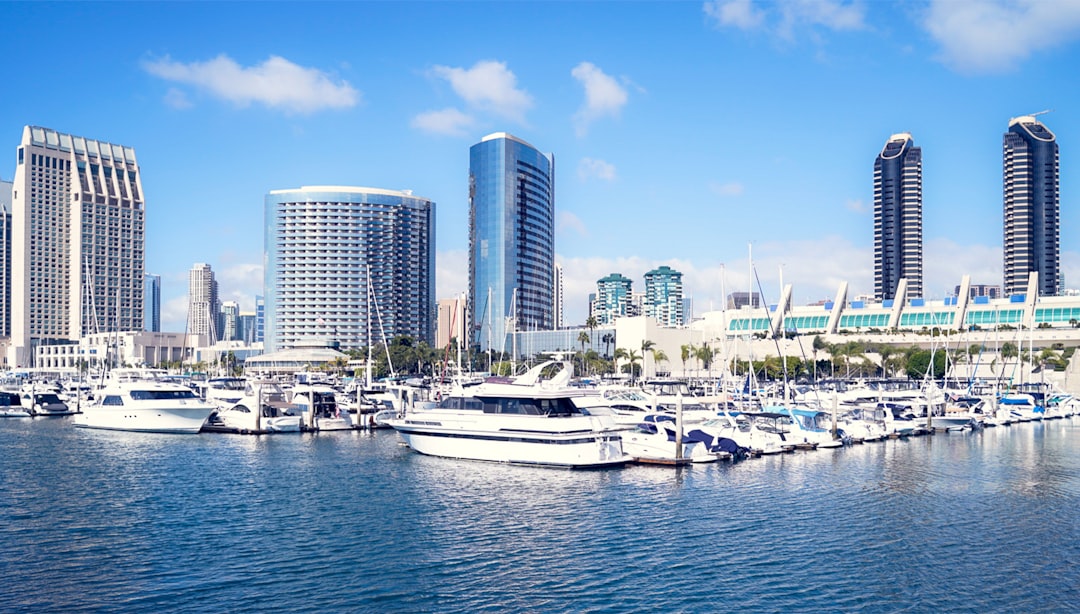
Modern marina operations are complex, dynamic environments where docking logistics, seasonal fluctuations, customer expectations, and financial accountability intersect. As boat ownership grows and customer service standards continue to rise, marina operators can no longer rely on spreadsheets, paper logs, or disconnected systems to manage reservations and billing. Marina management software has emerged as a critical operational backbone, designed specifically to streamline bookings, automate invoicing, and provide real-time visibility into occupancy and revenue.
TLDR: Marina management software centralizes reservations, billing, and customer records in one streamlined system. It reduces administrative workload, improves accuracy, and enhances the customer experience through automation and real-time data. By integrating scheduling, invoicing, and reporting tools, marinas can operate more efficiently while maintaining strong financial control. Selecting the right platform depends on marina size, budget, and feature requirements.
Beyond simple scheduling, today’s leading software platforms offer integrated payment processing, automated recurring billing, reporting dashboards, and customer communication tools. For marina owners and managers seeking operational stability and scalable growth, implementing the right system is not just helpful — it is strategic.
Why Manual Reservation and Billing Systems Fall Short
Traditional reservation books and spreadsheet-based billing systems may function adequately for very small facilities, but they rarely scale efficiently. As slip occupancy grows and seasonal contracts become more complex, manual processes introduce risk and inefficiency.
- Double bookings due to outdated or mismanaged records
- Lost revenue from missed billing cycles
- Human error in invoice calculations
- Delayed payments caused by inefficient invoicing systems
- Limited reporting visibility for forecasting occupancy and cash flow
In comparison, marina management software centralizes all operational data. Reservations update in real time, invoices generate automatically, and management can instantly assess financial performance.
Core Features That Simplify Reservations
A robust marina reservation system must manage much more than basic scheduling. It needs to handle vessel specifications, dock compatibility, long-term contracts, and transient bookings.
1. Real-Time Slip Availability
Operators can view dock occupancy instantly, filter by vessel length or amenities, and assign slips without cross-referencing multiple records.
2. Online Booking Portals
Many platforms allow boaters to reserve slips online, reducing front-desk workload and increasing convenience. Self-service portals improve customer satisfaction while maintaining managerial oversight.
3. Seasonal and Recurring Contracts
Software automates recurring dockage agreements, renewals, and waitlists, ensuring no contract opportunities are overlooked.
4. Integrated Vessel Profiles
Detailed customer records include boat measurements, insurance documentation, and service preferences — minimizing administrative follow-up.
Streamlining Billing and Financial Control
Accurate billing is central to marina profitability. Dockage fees, electricity usage, maintenance services, and retail purchases often require separate tracking. Without automation, billing errors can undermine both revenue and customer trust.
Modern marina management systems typically include:
- Automated invoicing for slip rentals and utilities
- Metered utility tracking for water and electricity
- Recurring payment scheduling
- Integrated payment gateways
- Comprehensive tax calculation tools
Automation reduces administrative workload while improving billing accuracy. Late-fee triggers, payment reminders, and autopay options further strengthen cash flow consistency.
Image not found in postmetaImportantly, centralized financial reporting provides marina owners with metrics such as:
- Occupancy rates by season
- Average revenue per slip
- Outstanding balances
- Utility cost recovery
- Year-over-year performance comparisons
These insights support smarter pricing strategies and capital planning decisions.
Operational Efficiency Beyond Reservations and Billing
While reservations and invoicing are core components, comprehensive marina software extends into broader operational management.
Maintenance Tracking
Work orders for dock repairs, equipment servicing, and facility management can be logged and tracked within the same system.
Customer Communication Tools
Built-in email and SMS notifications streamline communication about weather alerts, maintenance schedules, and billing updates.
Point of Sale Integration
For marinas with retail stores or fuel docks, integrated POS systems prevent the need for separate accounting solutions.
Security and Access Management
Some platforms integrate with gate access systems, allowing digital credential management linked directly to customer accounts.
Leading Marina Management Software Options
Several platforms have established strong reputations within the marina industry. Below are four widely recognized solutions, each offering varying levels of specialization and scalability.
1. DockMaster
DockMaster provides comprehensive marina and boatyard management tools, with strong functionality in service management and accounting integration.
2. Marina Master
Marina Master focuses on ease of use and flexible billing capabilities. It is suitable for small to mid-sized marinas seeking robust financial features.
3. Harba
Harba is known for its modern interface and customer self-service tools, including mobile-friendly booking experiences.
4. Anchorsoft
Anchorsoft offers customizable modules appropriate for marinas and yacht clubs with complex membership requirements.
Comparison Overview
| Feature | DockMaster | Marina Master | Harba | Anchorsoft |
|---|---|---|---|---|
| Real-Time Slip Management | Yes | Yes | Yes | Yes |
| Online Booking Portal | Limited | Optional | Strong Focus | Available |
| Recurring Billing Automation | Advanced | Flexible | Automated | Configurable |
| Service & Work Order Management | Comprehensive | Moderate | Basic | Moderate |
| Ideal Marina Size | Mid to Large | Small to Mid | Small to Mid | Private Clubs & Mixed |
Key Considerations When Selecting Software
Choosing the right system requires careful evaluation of operational needs and budget parameters.
Scalability
Does the software accommodate expansion, additional docks, or multiple locations?
Ease of Implementation
How long will data migration and staff training require?
Customer Experience
Does the platform offer convenient digital booking and payment tools that align with modern expectations?
Integration Capabilities
Can the solution integrate with accounting systems, POS terminals, or security infrastructure?
Security and Compliance
Financial transactions must meet secure payment processing standards. Data protection is equally critical.
The ROI of Implementing Marina Management Software
Although there is an upfront investment involved, the financial and operational returns are measurable.
- Reduced administrative labor hours
- Improved revenue capture from accurate billing
- Faster payment cycles
- Improved customer retention due to professional service
- Data-driven pricing decisions
Over time, these efficiencies compound. A well-managed marina not only maximizes slip occupancy but also enhances its professional reputation within the boating community.
Future Trends in Marina Management Technology
The industry continues to evolve, with emerging innovations shaping the next phase of digital marina operations.
- AI-powered demand forecasting for seasonal optimization
- Dynamic pricing models based on occupancy patterns
- Mobile management apps for on-dock staff
- IoT-integrated utility monitoring
- Cloud-based remote access
Cloud deployment, in particular, allows managers to oversee operations from anywhere while ensuring data synchronization across devices.
Conclusion
Marina management software has transitioned from a convenience tool to an operational necessity. By unifying reservations, billing, customer profiles, and reporting into a single transparent system, marinas gain both efficiency and financial control. Errors decrease, customer satisfaction improves, and revenue recovery becomes consistent and measurable.
For marina owners committed to professional standards and long-term growth, adopting the right platform is a decisive step toward modernization. In an environment where precision, timing, and financial accuracy matter daily, specialized software delivers the structure and reliability required to manage with confidence.