

In today’s competitive hospitality environment, effective reservation management is no longer optional—it is essential. Restaurants that rely on manual booking systems or fragmented tools often face double bookings, missed reservations, and inefficient table turnover. Modern reservation systems help streamline operations, optimize seating, and improve guest satisfaction through automation and data insights.
TLDR: The right restaurant reservation system can significantly improve efficiency, reduce no-shows, and enhance the guest experience. Leading platforms like OpenTable, Resy, SevenRooms, Yelp Guest Manager, and Tablein offer robust scheduling, reporting, and customer management tools. Each system provides unique strengths, from advanced analytics to marketing integrations. Choosing the right one depends on your restaurant’s size, service model, and growth objectives.
Below are five trusted restaurant reservation systems that help businesses manage bookings efficiently while maintaining professionalism and operational control.
1. OpenTable
OpenTable is one of the most widely recognized restaurant reservation platforms globally. Designed for restaurants of all sizes, it combines reservation management with guest relationship tools and marketing features.
Key Features:
- Real-time online reservations
- Automated table management
- Waitlist functionality
- Guest database and dining history
- Integration with POS systems
OpenTable’s strength lies in its vast diner network. Restaurants benefit from increased online visibility while gaining access to powerful data analytics. Managers can monitor peak times, analyze booking patterns, and adjust staffing or seating configurations accordingly.
Additionally, OpenTable reduces no-shows through automated confirmations and reminders. Its structured floor planning tools allow staff to visualize table arrangements and make adjustments in real time.
Best suited for: High-volume restaurants and establishments that want exposure to a wide diner marketplace.
2. Resy
Resy has built a reputation for offering a modern and user-friendly reservation experience. Initially popular among upscale and fine dining restaurants, Resy now serves a broad range of hospitality businesses.
Key Features:
- Customizable reservation slots
- Smart table inventory management
- Automated SMS reminders
- Two-way messaging with guests
- Detailed reporting dashboard
What differentiates Resy is its emphasis on guest experience. Restaurants can tag customer preferences, dietary restrictions, and VIP status to ensure personalized service. The platform also makes it easy to manage special events, tasting menus, or prepaid reservations.
Resy’s interface is intuitive, reducing staff training time. Managers have access to performance metrics that highlight booking performance and cancellation trends.
Best suited for: Restaurants that prioritize personalized guest experiences and curated dining atmospheres.
3. SevenRooms
SevenRooms focuses heavily on customer relationship management (CRM) and data-driven insights. It is particularly appealing to restaurants that want full control over guest data and direct relationships without relying on third-party marketplaces.
Key Features:
- Comprehensive guest profiles
- Email and SMS marketing integration
- Table management and waitlist system
- Automated feedback collection
- No marketplace dependency
SevenRooms enables restaurants to build long-term customer loyalty. Its CRM capabilities help track guest visit frequency, average spend, and special occasions. Restaurants can create targeted campaigns based on this data.
Another advantage is ownership of customer data. Establishments maintain direct contact with diners instead of sharing visibility with competing venues on broader marketplaces.

Best suited for: Restaurants focused on marketing automation, guest retention, and data ownership.
4. Yelp Guest Manager
Yelp Guest Manager combines reservation functionality with Yelp’s substantial consumer traffic. It allows restaurants to convert Yelp page visitors directly into bookings.
Key Features:
- Reservations and waitlist management
- Integration with Yelp business listings
- Automated guest notifications
- Table and floor management tools
- Performance analytics
An important benefit is visibility. Restaurants listed on Yelp can seamlessly offer reservation options directly from their listing. This reduces friction in the customer journey.
Yelp Guest Manager also simplifies front-of-house operations by tracking walk-ins and quoted wait times. Staff can manage both online and on-site traffic within a single dashboard.
While it may not offer as extensive CRM features as SevenRooms, it excels in customer acquisition through Yelp’s established platform.
Best suited for: Restaurants looking to capitalize on Yelp traffic and increase online conversions.
5. Tablein
Tablein is a streamlined reservation system designed primarily for small to mid-sized restaurants. It offers essential tools without overwhelming users with excessive complexity.
Key Features:
- Online booking widget
- Automated confirmation emails
- Visual table planner
- POS integration
- Mobile-friendly interface
Tablein stands out for its simplicity and affordability. It helps restaurants transition from paper-based bookings to digital management with minimal disruption.
The system’s intuitive floor planning tool allows managers to assign reservations efficiently. Automatic confirmations and reminders help reduce no-shows, contributing to improved revenue consistency.
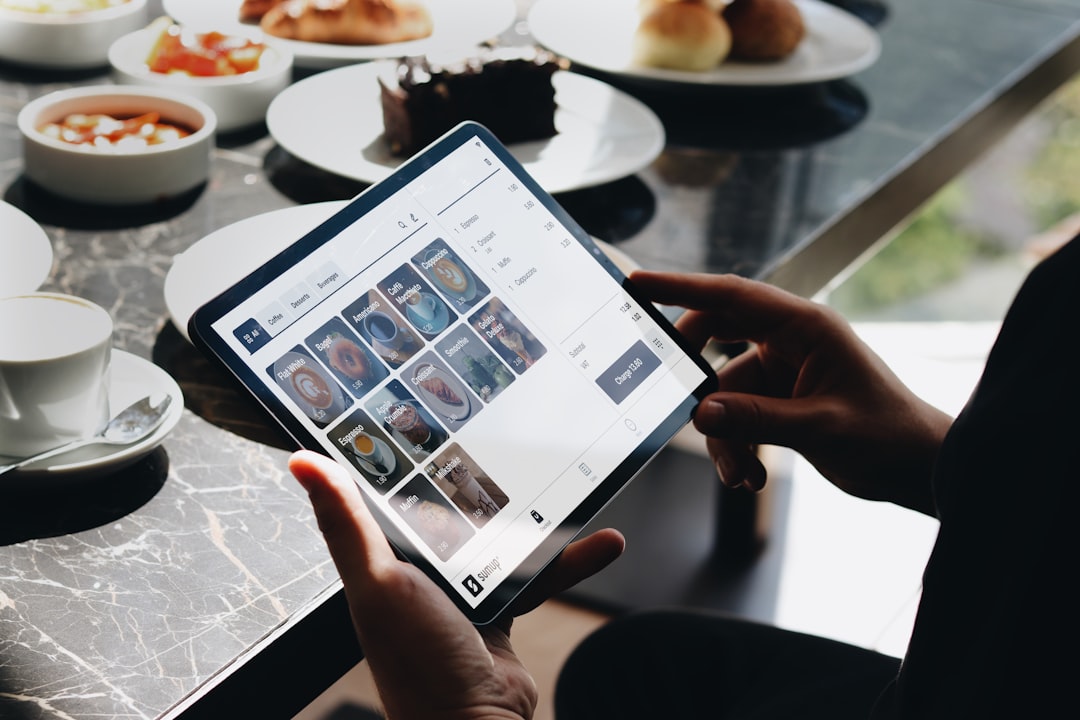
Best suited for: Small restaurants seeking an easy-to-implement, cost-effective reservation solution.
Key Benefits of Implementing a Reservation System
Regardless of platform choice, implementing a digital reservation system offers several major advantages:
- Improved Table Turnover: Structured bookings prevent idle tables and overcrowding.
- Reduced No-Shows: Automated reminders decrease missed reservations.
- Data-Driven Decisions: Reporting tools provide insights into customer trends.
- Enhanced Guest Experience: Personalized service strengthens customer loyalty.
- Operational Efficiency: Staff can focus more on service instead of administrative tasks.
In an increasingly digital world, manual booking logs no longer provide adequate control over restaurant operations. Automation reduces human error and allows managers to make informed decisions based on real-time data.
How to Choose the Right System
Selecting the appropriate reservation platform requires careful evaluation. Consider the following factors:
- Restaurant Size: High-volume venues may require advanced analytics and marketplace exposure.
- Budget: Some systems charge per cover, while others offer flat monthly rates.
- Marketing Needs: Establishments focused on loyalty should prioritize CRM capabilities.
- Ease of Use: Staff adoption is critical for successful implementation.
- POS Integration: Seamless integration reduces administrative workload.
Trial periods and demonstrations can help assess usability before committing long-term. Decision-makers should also consult with managers and front-of-house staff, as they will interact with the system daily.
Final Thoughts
Efficient booking management directly influences revenue, customer satisfaction, and operational stability. Restaurants that embrace structured, data-driven reservation systems position themselves for long-term success.
Whether opting for OpenTable’s global visibility, Resy’s guest-centric design, SevenRooms’ CRM focus, Yelp Guest Manager’s integrated exposure, or Tablein’s streamlined simplicity, each platform offers reliable tools to modernize booking workflows.
Ultimately, the most effective reservation system is one that aligns with your restaurant’s operational needs and strategic goals. Investing in the right technology today ensures smoother service, stronger guest relationships, and sustained growth tomorrow.