
Keeping employees motivated, connected, and aligned has become one of the biggest priorities for modern organizations. With remote work, hybrid teams, and fast-paced digital transformation, traditional engagement strategies like annual surveys and occasional team-building activities are no longer enough. That’s where employee engagement apps like Officevibe step in—offering dynamic, data-driven tools to measure sentiment, strengthen communication, and actively boost team morale.
TLDR: Employee engagement apps like Officevibe help organizations measure morale, gather feedback, and improve workplace culture through real-time surveys, recognition tools, and actionable insights. These platforms empower managers with data while giving employees a voice. By fostering transparency, recognition, and meaningful communication, engagement apps can significantly boost productivity and retention. Investing in the right app can transform your workplace culture from reactive to proactive.
Why Employee Engagement Matters More Than Ever
Employee engagement is more than job satisfaction. It reflects how emotionally invested employees are in their work and how committed they feel toward their organization. Engaged employees are more productive, more innovative, and more likely to stay with their employer long term.
Research consistently shows that high engagement leads to:
- Higher productivity
- Lower turnover rates
- Better customer satisfaction
- Stronger collaborations between teams
- Improved mental well-being
Yet, many companies struggle to accurately measure engagement. Annual surveys provide limited insights and often fail to capture real-time employee sentiment. This gap has driven the rapid growth of employee engagement platforms designed to provide continuous feedback and actionable data.
What Are Employee Engagement Apps?
Employee engagement apps are digital tools that help organizations track workplace sentiment, collect feedback, promote recognition, and improve communication. Platforms like Officevibe focus on pulse surveys, anonymous feedback channels, performance tracking, and team-building recommendations.
These tools transform engagement from a once-a-year activity into an ongoing process powered by data analytics.
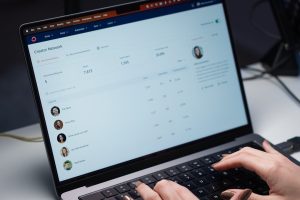
Instead of guessing how employees feel, leadership teams can access visual dashboards that display trends in morale, trust, workload, and collaboration. Managers receive actionable insights and suggested next steps, making it easier to address problems before they escalate.
Core Features of Apps Like Officevibe
Although each platform offers unique functionality, the most effective employee engagement apps share several key features:
1. Pulse Surveys
Pulse surveys are short, frequent surveys that measure real-time employee sentiment. Unlike long annual questionnaires, these surveys are quick and engaging.
Benefits include:
- Immediate feedback on morale
- Trend analysis over time
- Improved responsiveness to concerns
- Higher participation rates
2. Anonymous Feedback Channels
Employees are more likely to provide honest feedback when anonymity is guaranteed. Secure feedback channels allow team members to voice concerns without fear of retaliation.
This feature helps organizations uncover:
- Hidden workplace tensions
- Burnout risks
- Communication breakdowns
- Leadership challenges
3. Recognition and Rewards Systems
Recognition plays a significant role in employee morale. Many engagement apps include peer-to-peer recognition tools where colleagues can publicly appreciate each other’s contributions.
Consistent recognition helps build:
- A positive team culture
- Stronger interpersonal connections
- Greater motivation and performance
4. Performance and Goal Tracking
Clear goals increase engagement. Engagement platforms often integrate performance check-ins, one-on-one meeting templates, and goal tracking systems to keep employees aligned with company objectives.
5. Data-Driven Insights and Reporting
One of the most powerful aspects of platforms like Officevibe is advanced analytics. Managers don’t just receive data—they get recommendations. If surveys show low scores in recognition, managers might receive suggested action steps such as implementing weekly shout-outs or team appreciation sessions.
How Engagement Apps Boost Team Morale
Technology alone doesn’t boost morale—it’s how it’s used. These apps create structured opportunities for connection, feedback, and improvement.
Encouraging Open Communication
Open dialogue between employees and management is crucial. Engagement apps remove barriers by giving everyone a consistent platform for feedback.
When employees feel heard, they are more likely to:
- Trust leadership
- Contribute ideas
- Engage in collaboration
- Stay committed during workplace changes
Identifying Burnout Before It Spreads
Burnout can silently lower morale across entire teams. Real-time engagement tracking allows leadership to identify warning signs early, such as declining job satisfaction or increased workload stress.

With early insights, managers can initiate supportive conversations, redistribute tasks, or introduce flexibility to prevent disengagement.
Strengthening Team Relationships
Recognition tools and peer feedback systems foster appreciation. When team members regularly acknowledge each other’s work, it strengthens bonds and reinforces positive behavior.
The result is a workplace culture where:
- Collaboration thrives
- Conflicts are addressed constructively
- Success is celebrated consistently
Top Employee Engagement Apps Similar to Officevibe
While Officevibe is a popular choice, several other platforms offer comparable features. Companies should evaluate their specific needs before selecting the most suitable solution.
- 15Five: Focuses on continuous performance management and weekly check-ins.
- TinyPulse: Known for easy-to-use pulse surveys and peer recognition tools.
- Lattice: Combines engagement surveys with performance reviews and goal tracking.
- Culture Amp: Offers deep analytics and powerful culture insights.
- Leapsome: Integrates engagement, learning, and performance management.
Each of these platforms emphasizes continuous feedback and manager support, helping organizations take proactive steps toward improving morale.
How to Successfully Implement an Engagement App
Even the best tools can fail without proper implementation. To maximize effectiveness, organizations should follow strategic rollout steps.
1. Communicate the Purpose Clearly
Employees need to understand why the app is being introduced. Emphasize that the goal is to improve workplace culture—not to monitor performance unfairly.
2. Ensure Leadership Buy-In
Managers must actively engage with the platform. If leadership ignores survey data, employees will quickly lose trust in the system.
3. Act on Feedback
One of the biggest engagement mistakes is collecting feedback without taking action. When survey results reveal concerns, communicate planned improvements transparently.
4. Prioritize Psychological Safety
Reassure employees about anonymity and data privacy. Trust is fundamental to meaningful engagement data.
The ROI of Employee Engagement Technology
Investing in engagement apps may seem like an additional operational expense, but the return on investment can be substantial. Consider the cost of employee turnover, productivity losses, and low morale.

Organizations that actively measure and improve engagement often experience:
- Reduced recruitment costs due to lower turnover
- Higher productivity levels
- Stronger employer branding
- Increased innovation from motivated teams
- Better retention of top talent
When employees feel valued and heard, their loyalty and performance naturally improve.
Future Trends in Employee Engagement Apps
The future of engagement technology is evolving rapidly. Emerging trends include:
- AI-powered sentiment analysis that analyzes written feedback for deeper emotional insights
- Integration with collaboration tools like messaging platforms for seamless feedback
- Personalized engagement recommendations tailored to individual managers
- Well-being monitoring features that emphasize mental health support
As remote and hybrid work persist, engagement apps will likely become essential infrastructure rather than optional tools.
Final Thoughts
Employee engagement apps like Officevibe are transforming how organizations approach workplace morale. Rather than relying on outdated annual reviews, companies now have continuous insight into employee sentiment and actionable strategies for improvement.
When implemented thoughtfully, these platforms encourage open communication, strengthen relationships, and proactively address issues before they escalate. More importantly, they signal to employees that their voices matter.
In a competitive talent landscape, engagement is no longer a “nice-to-have.” It’s a strategic advantage. Organizations that invest in modern engagement tools position themselves not only for higher productivity but for a healthier, more resilient workplace culture built on trust and transparency.