

In today’s hyper-competitive customer service landscape, delivering consistent, high-quality support is no longer optional — it’s expected. Call centers must balance efficiency with empathy, speed with accuracy, and automation with human touch. The only way to sustainably achieve this balance is through structured evaluation and continuous agent development. That’s where Call Center QA (Quality Assurance) apps step in, transforming how organizations monitor, coach, and improve performance.
TLDR: Call Center QA apps help businesses systematically evaluate agent performance, uncover coaching opportunities, and improve customer satisfaction. These tools use automation, AI insights, and customizable scorecards to make quality monitoring faster and more consistent. By centralizing feedback and analytics, they turn evaluations into actionable training plans. The right QA app can significantly boost agent performance, compliance, and customer loyalty.
Modern QA platforms go far beyond random call reviews and manual score sheets. They provide real-time analytics, AI-powered insights, and collaborative coaching workflows that empower teams to improve continuously. Let’s explore how these tools work, the features that matter most, and the best options available today.
Why Traditional QA Methods Fall Short
Historically, quality assurance relied on supervisors manually reviewing a small sample of calls. While helpful, this approach presents several challenges:
- Limited coverage: Only a tiny percentage of interactions are evaluated.
- Subjective scoring: Different supervisors may score differently.
- Delayed feedback: Agents receive feedback days or weeks later.
- Manual paperwork: Tracking improvements becomes cumbersome.
QA apps address these issues by introducing automation, standardization, and actionable analytics into the process.
Core Features of Effective Call Center QA Apps
Not all QA software is created equal. The most effective platforms share several key capabilities:
1. Customizable Scorecards
Scorecards allow managers to evaluate agents against standardized criteria such as tone, compliance, problem resolution, and empathy. Advanced QA apps let you:
- Create multiple scorecards for different teams
- Assign weighted scoring categories
- Auto-calculate performance metrics
- Adapt forms for voice, email, chat, and social channels
2. AI-Powered Interaction Analysis
Artificial intelligence enables QA apps to analyze 100% of conversations rather than a small sample. AI can detect:
- Sentiment shifts
- Script adherence
- Compliance risks
- Keywords and escalation triggers
This dramatically expands visibility into agent performance.
3. Real-Time Feedback and Coaching
Immediate feedback is more impactful than delayed reviews. QA apps offer:
- In-platform agent comments
- Coaching task assignments
- Performance dashboards
- Side-by-side call playback and scoring views
4. Performance Analytics and Reporting
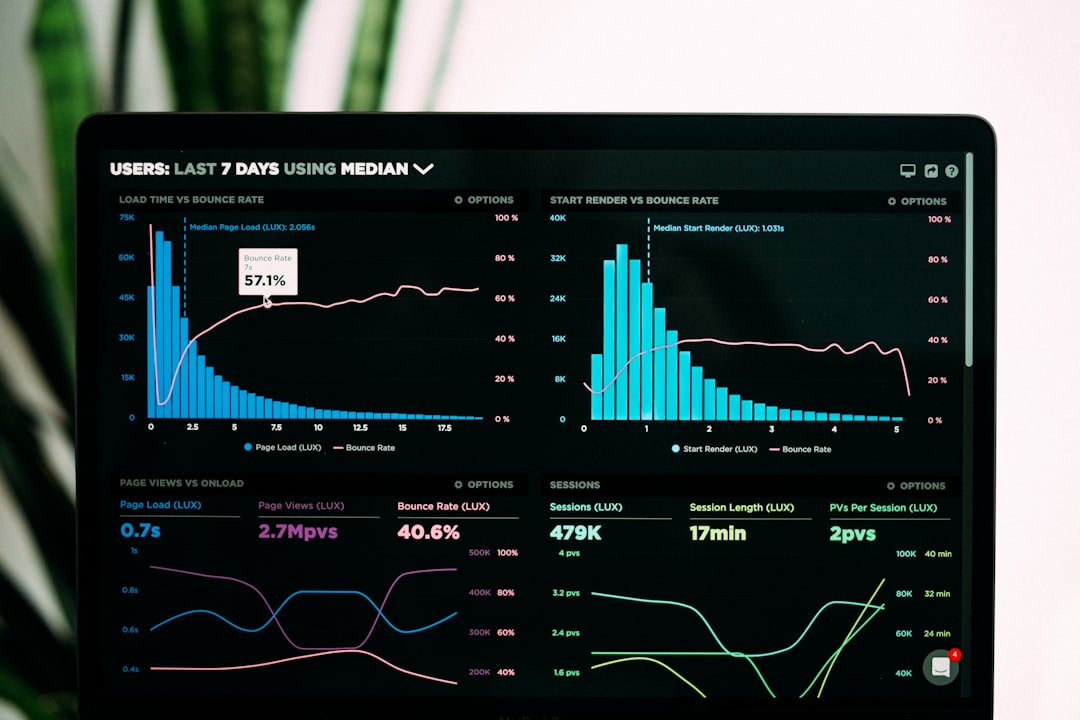
Advanced dashboards help managers identify trends across teams. Common metrics include:
- Quality scores over time
- Customer satisfaction (CSAT)
- First call resolution (FCR)
- Average handle time (AHT)
- Compliance adherence
How QA Apps Improve Agent Training
Evaluation alone does not drive improvement. The real value of QA apps lies in how they support structured training.
Personalized Coaching Plans
Instead of generic group training sessions, supervisors can create targeted development plans tailored to individual weaknesses. For example:
- An agent struggling with empathy receives soft-skills training modules.
- An agent missing compliance statements receives regulatory refreshers.
- A top performer receives leadership coaching opportunities.
Gamification and Motivation
Many QA tools include leaderboards, badges, and achievement trackers. These features increase engagement and reinforce positive behaviors.
Data-Driven Learning
Instead of relying on guesswork, managers can prioritize training initiatives based on real performance data.
Top Call Center QA Apps to Consider
Here are some of the most widely used QA platforms in the industry:
1. MaestroQA
- Highly customizable scorecards
- AI-powered conversation insights
- Strong coaching workflows
- Integrates with CRM and helpdesk platforms
2. Playvox
- Quality management and workforce engagement
- Gamification features
- Performance dashboards
- Omnichannel support
3. Scorebuddy
- User-friendly interface
- Flexible evaluation forms
- In-depth reporting
- Calibration tools
4. Observe.AI
- Advanced speech analytics
- AI auto-scoring
- Real-time agent assistance
- Compliance monitoring
5. NICE CXone Quality Management
- Enterprise-level scalability
- Integrated workforce optimization
- Comprehensive analytics suite
- Predictive AI recommendations
Comparison Chart of Leading QA Apps
| Tool | AI Capabilities | Custom Scorecards | Gamification | Best For |
|---|---|---|---|---|
| MaestroQA | Yes | Highly Flexible | Limited | Mid-size teams focused on coaching |
| Playvox | Yes | Customizable | Strong | Engagement-driven teams |
| Scorebuddy | Basic | Very Flexible | No | Simple implementation needs |
| Observe.AI | Advanced AI | Moderate | No | AI-heavy analysis environments |
| NICE CXone | Enterprise AI | Robust | Optional | Large enterprises |
Key Benefits of Implementing a QA App
Adopting a QA platform delivers measurable returns:
1. Improved Customer Experience
When agents consistently meet quality standards, customers receive clearer communication, faster resolutions, and more empathetic support.
2. Stronger Compliance
In regulated industries like finance and healthcare, QA apps reduce risk by automatically flagging violations.
3. Increased Agent Retention
Structured feedback and development pathways help employees feel supported rather than criticized.
4. Better Manager Efficiency
Automation reduces manual scoring time, freeing leaders to focus on strategic initiatives.

How to Choose the Right QA App
Selecting the right tool depends on your organization’s size, goals, and technical ecosystem. Consider the following:
- Scalability: Will it grow with your team?
- Integration: Does it connect with your CRM and telephony systems?
- AI sophistication: Do you need speech analytics or simple score tracking?
- User experience: Is it intuitive for managers and agents alike?
- Budget alignment: Does pricing match your ROI expectations?
Running pilot programs before full deployment can reduce implementation risks and encourage early buy-in.
The Future of QA: From Monitoring to Empowerment
Quality assurance is evolving from a compliance-driven function into a strategic growth engine. Modern QA apps are shifting focus toward:
- Real-time agent assist tools
- Predictive coaching recommendations
- Proactive churn prevention insights
- Automated learning pathways
Instead of merely identifying what went wrong, future systems will proactively guide agents toward what to do right.
AI-driven insights will increasingly personalize training at scale, enabling organizations to maintain high standards even as customer complexity grows.
Final Thoughts
Call Center QA apps have transformed how organizations evaluate and train agents. By combining automation, AI analytics, customizable scorecards, and collaborative coaching features, these tools provide a scalable framework for continuous improvement.
In an era where customer expectations are rising and margins are tightening, investing in the right QA platform is no longer optional — it is strategic. Companies that leverage these tools effectively create stronger agents, more satisfied customers, and a more resilient support operation.
The future of customer service belongs to teams that treat quality assurance not as policing, but as empowerment. With the right QA app in place, every interaction becomes an opportunity to learn, improve, and deliver exceptional service.