

Understanding customers is no longer a luxury; it is a necessity for any organization that aims to grow and stay competitive. Businesses that consistently collect and analyze customer feedback are better equipped to improve products, refine services, and create memorable user experiences. By using the right feedback tools, companies can uncover valuable insights that drive strategic decisions and long-term success.
TLDR: Collecting user insights is essential for improving products and customer experience. Three powerful customer feedback tools include online surveys, live chat and chatbots, and customer feedback analytics platforms. Each tool serves a different purpose, from structured data collection to real-time engagement and deep behavioral analysis. When used together, they provide a comprehensive understanding of customer needs and expectations.
Customer feedback tools vary in complexity and purpose, but they all serve the same goal: gathering authentic user perspectives. Below are three highly effective tools that organizations commonly rely on to collect actionable insights.
1. Online Surveys
Online surveys remain one of the most popular and versatile methods for collecting customer feedback. They allow businesses to directly ask customers about their experiences, preferences, and expectations in a structured format.
Why Online Surveys Work
Online surveys are effective because they are:
- Scalable: They can be sent to thousands of users simultaneously.
- Customizable: Businesses can tailor questions based on specific goals.
- Quantifiable: Results are easy to measure and analyze statistically.
- Cost-effective: Digital distribution reduces operational expenses.
Companies often use surveys at key touchpoints such as after a purchase, following customer support interactions, or during onboarding. Common survey types include customer satisfaction surveys (CSAT), Net Promoter Score (NPS) surveys, and product feedback forms.
Best Practices for Online Surveys
- Keep surveys short and focused to reduce drop-off rates.
- Use a mix of multiple-choice and open-ended questions.
- Personalize survey invitations when possible.
- Clearly communicate how the feedback will be used.
Although surveys deliver valuable quantitative data, they may not fully capture the emotional context behind user responses. This is why many organizations combine surveys with other tools to deepen their understanding.
2. Live Chat and Chatbots
Live chat and AI-powered chatbots have become essential tools for gathering real-time feedback while simultaneously providing support. These tools allow companies to interact directly with users and capture insights during active engagement.
Real-Time Insights
Unlike surveys that collect feedback after an interaction, live chat tools gather insights in the moment. This immediacy offers several advantages:
- Contextual feedback: Customers share thoughts while the experience is still fresh.
- Clarification opportunities: Support agents can ask follow-up questions.
- Higher engagement: Users are already interacting with the brand.
Chatbots can also automatically prompt users with short feedback questions at the end of a conversation. For example, a chatbot may ask, “Was this information helpful?” followed by a rating scale or emoji response.
Benefits of Live Chat and Chatbots
- Improved customer experience through immediate assistance.
- Reduced support costs with automated responses.
- Continuous feedback collection without requiring additional surveys.
- Valuable qualitative data from conversation transcripts.
Conversation transcripts are especially useful because they reveal common user frustrations, frequently asked questions, and product usability challenges. Businesses can analyze recurring themes to identify pain points and prioritize improvements.
However, it is important to design chatbot flows carefully. Over-automating interactions can frustrate users, leading to biased or negative feedback. A balanced approach that combines automation with human support tends to generate the most accurate and meaningful insights.
3. Customer Feedback and Analytics Platforms
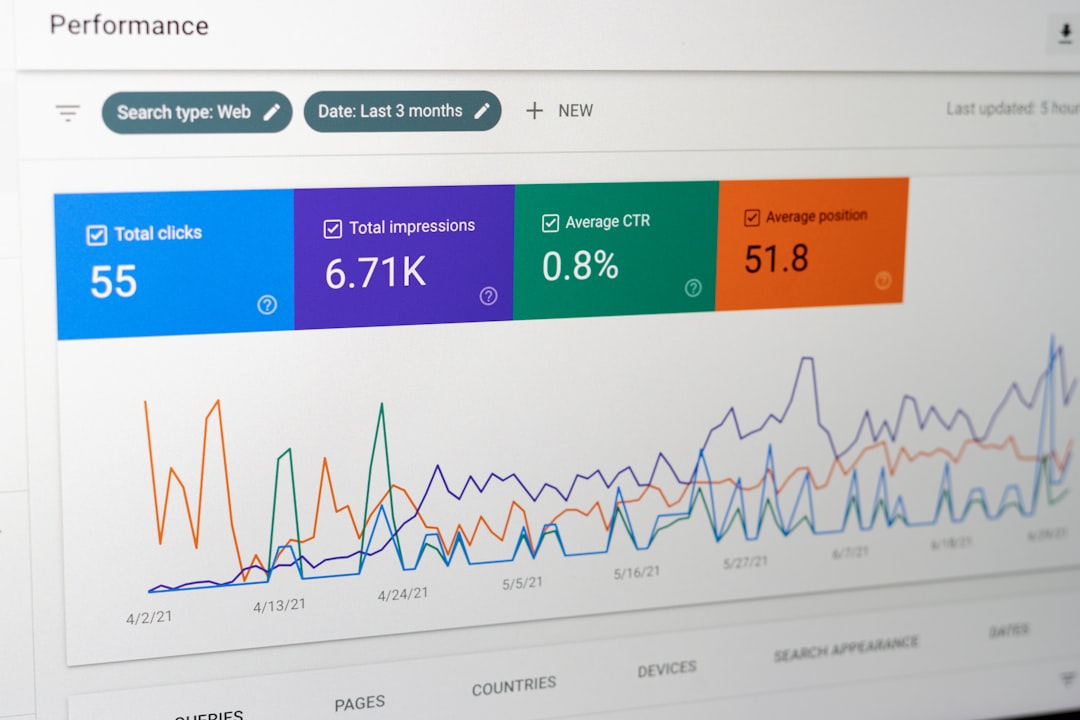
Advanced customer feedback and analytics platforms go beyond individual interactions. They aggregate data from multiple channels—including surveys, chat, social media, and website behavior—to generate comprehensive insights.
Comprehensive Data Integration
These platforms provide:
- Centralized data dashboards: All feedback sources in one place.
- Trend analysis: Identification of patterns over time.
- Sentiment analysis: AI-driven evaluation of customer emotions.
- Segmentation tools: Insights categorized by demographics or behavior.
By integrating behavioral analytics with direct feedback, businesses can connect what users say with what they actually do. For instance, if customers report difficulty navigating a checkout page, analytics tools can confirm this through metrics such as high exit rates or long session durations.
Advantages of Feedback Analytics Platforms
- Data-driven decision-making.
- Prioritized issue resolution based on impact.
- Cross-department collaboration with shared reports.
- Predictive insights through advanced modeling.
These platforms are particularly valuable for medium to large businesses handling large volumes of customer data. While they may require a greater investment, their ability to uncover deep, actionable insights often delivers significant returns.
Choosing the Right Combination
No single tool can capture the full spectrum of customer sentiment. Instead, organizations benefit most from combining multiple feedback tools in a strategic way.
A well-rounded approach might include:
- Using surveys to measure satisfaction at defined milestones.
- Implementing live chat or chatbots for real-time engagement and contextual insights.
- Leveraging analytics platforms to synthesize feedback and identify long-term patterns.
This layered strategy ensures that both quantitative and qualitative insights are captured. It also provides a clearer view of the entire customer journey—from first interaction to post-purchase support.
Turning Feedback Into Action
Collecting feedback is only the first step. The true value lies in acting on the data gathered. Successful organizations follow a structured feedback loop:
- Collect: Gather insights using multiple channels.
- Analyze: Identify patterns, themes, and priority issues.
- Implement: Make measurable improvements.
- Inform: Let customers know their feedback led to change.
Closing the feedback loop builds trust and encourages continued participation. When customers see that their opinions matter, they are more likely to provide honest and detailed feedback in the future.
Additionally, internal alignment is crucial. Customer feedback insights should be shared across product development, marketing, customer support, and executive teams. This cross-functional visibility ensures that improvements are consistent and aligned with broader business objectives.
Common Challenges in Collecting User Insights
Despite the benefits of feedback tools, companies may encounter obstacles such as:
- Low response rates: Customers may ignore surveys if they are too long or frequent.
- Biased responses: Feedback may disproportionately represent extremely satisfied or dissatisfied users.
- Data overload: Large volumes of data can be difficult to interpret without proper tools.
- Inaction: Failing to act on insights undermines credibility.
To overcome these challenges, businesses should focus on simplifying participation, using clear and concise questions, and committing to a structured analysis process. Automation and AI-driven insights can also help manage large datasets more effectively.
Conclusion
Customer feedback tools play a pivotal role in shaping successful products and services. Online surveys provide structured and scalable feedback, live chat and chatbots capture real-time user sentiment, and advanced analytics platforms deliver comprehensive, data-driven insights. When combined strategically, these three tools create a powerful ecosystem for understanding and improving the customer experience.
Organizations that listen actively, analyze thoughtfully, and respond decisively are better positioned to build long-term loyalty and sustainable growth. In today’s competitive environment, collecting and acting on user insights is not just an operational tactic—it is a strategic imperative.
Frequently Asked Questions (FAQ)
1. Why is customer feedback important for businesses?
Customer feedback helps businesses understand user needs, identify areas for improvement, enhance customer satisfaction, and make data-driven decisions that support growth and innovation.
2. What is the difference between surveys and live chat feedback?
Surveys collect structured, often quantitative data after specific interactions, while live chat feedback captures real-time insights during active engagement. Both approaches complement each other.
3. How often should businesses collect customer feedback?
Feedback should be collected at key touchpoints in the customer journey rather than continuously. Over-surveying can lead to fatigue and lower response rates.
4. Are analytics platforms necessary for small businesses?
Small businesses may start with basic tools like surveys and chat. As data volume grows, investing in analytics platforms can provide deeper insights and long-term strategic benefits.
5. How can companies increase survey response rates?
They can keep surveys short, personalize invitations, offer incentives when appropriate, and clearly explain how the feedback will be used to improve the customer experience.
6. What should be done after collecting feedback?
Businesses should analyze the data, prioritize key issues, implement improvements, and communicate changes to customers to close the feedback loop and strengthen trust.