
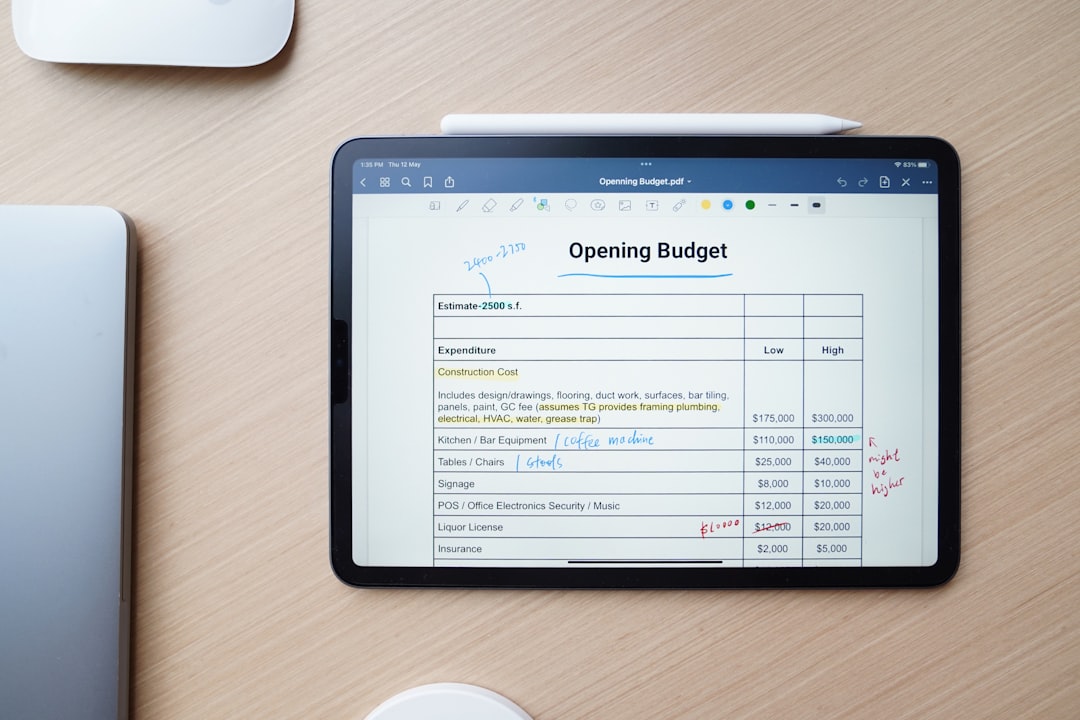
Managing money can feel like solving a giant puzzle — especially when you’re juggling classes, part-time work, and the occasional late-night pizza craving. But don’t worry! With the right tools and a solid plan, learning how to master your finances can actually be fun. Let’s break it down into simple steps and show you how study finance tools can make it all a breeze.
TLDR (Too Long, Didn’t Read)
Money management doesn’t have to be hard. Use study finance tools to track your spending, save smart, and learn where your money goes. Start with small goals, make a budget, and stick to it. These easy steps will help you take control of your money like a pro!
Step 1: Know Where Your Money Goes
Before you can save or budget anything, you need to understand your spending. Think of this like doing detective work on yourself!
Grab a notebook or open a finance app — whatever you prefer — and track every dollar for a week or two.
Use *study finance tools* like:
- Mint – automatically tracks where your money goes
- YNAB (You Need A Budget) – great for goal-setting and detailed budgeting
- Spendee – easy, colorful interface and great for beginners
Once you’ve got the data, sort it into categories:
- Food
- Transport
- School supplies
- Rent
- Fun stuff
This gives you the truth — and sometimes a surprise — about your habits.

Step 2: Create a Simple Budget
Now that you know your expenses, it’s time to build a budget. Don’t worry — no math degree required!
Try this fun formula:
- 50% for Needs (rent, food, bills)
- 30% for Wants (movies, pizza, gadgets)
- 20% for Savings and Debt
Most study finance tools help you set this up automatically. You just plug in income and goals, and the app does the rest.
Tip: Be realistic. Don’t cut out “fun” completely or you won’t stick with your plan!
Step 3: Set Specific Money Goals
Here’s where it gets exciting. What do you want your money to do for you? Maybe it’s a new laptop, a spring break trip, or just staying out of debt.
Define your goal. Make it clear and measurable, like:
- “Save $200 for textbooks by August.”
- “Pay off $500 credit card balance in 5 months.”
Study finance tools come with goal-setting features. They even send you reminders and track your progress!
Step 4: Use Automation To Your Advantage
One surefire way to stick to your plan? Automation!
Here’s what you can do:
- Auto-transfer a set amount to savings every payday
- Set up due date reminders or auto-pay for bills
- Use recurring budgets for things like groceries and transport
This takes the decision-making out of the equation. You’ll hit goals without even thinking about it!
Step 5: Build an Emergency Fund
Stuff happens. Your phone breaks, a surprise fee hits, or you need a trip home. That’s why an emergency fund is your superhero in disguise.
Start small: Aim for $100, then grow to $500 or more.
Use your study finance tool to create a special savings goal just for emergencies. Most apps will show a little progress bar—kind of like leveling up in a game!
Bonus challenge: Sell old clothes or freelance for extra cash and drop it straight into this fund.

Step 6: Learn the Basics of Credit
Credit may sound intimidating — but it’s essential to understand. You’ll need credit for things like renting apartments or buying a car later on.
Here are a few key points:
- Pay your credit card on time — never skip it!
- Don’t use more than 30% of your credit limit
- Avoid opening too many cards at once
Many finance tools let you monitor your credit score or send alerts when bills are due. Some even teach you what affects your score.
Step 7: Review Weekly, Adjust Monthly
Your first budget won’t be perfect. That’s OK!
Every week, take 10 minutes and answer these questions:
- Did I stay on budget?
- Where did I overspend?
- What can I change next month?
Adjust slowly. Don’t give up because your plan didn’t work the first time.
Most finance apps show you trends. Use pretty charts and reports to spot problems — or victories!
Step 8: Celebrate Wins (Seriously!)
Did you save $100 this month? Cook more meals than you ordered in? Pay off a debt?
Reward yourself! That doesn’t mean go blow your savings — but a low-cost treat is a great motivator.
Ideas:
- Your favorite snack or a cool coffee
- Watch that movie guilt-free
- Get a small wishlist item
Saving and budgeting don’t have to feel like punishment. Make it a game — and reward every level-up.
Your Financial Toolkit
Here’s a quick checklist of tools and sites we mentioned that can help you along the way:
- Mint.com – tracks spending, sets goals, great for beginners
- YNAB.com – budgeting with intention, best for structure-lovers
- Spendee – visually fun budgeting tool
- Rocket Money – cancel unused subscriptions and track goals
- Credit Karma – learn and monitor your credit score
Pair these tools with small, steady habits and you’ll be amazed how fast you’ll become the boss of your own wallet.
Final Thoughts
Money management isn’t about being perfect – it’s about being aware. You don’t need to be rich to be smart with your money. By building small habits, using study finance tools, and setting clear goals, you set yourself up for a future full of options and freedom.
Start now. The best time to take control of your money is today!