
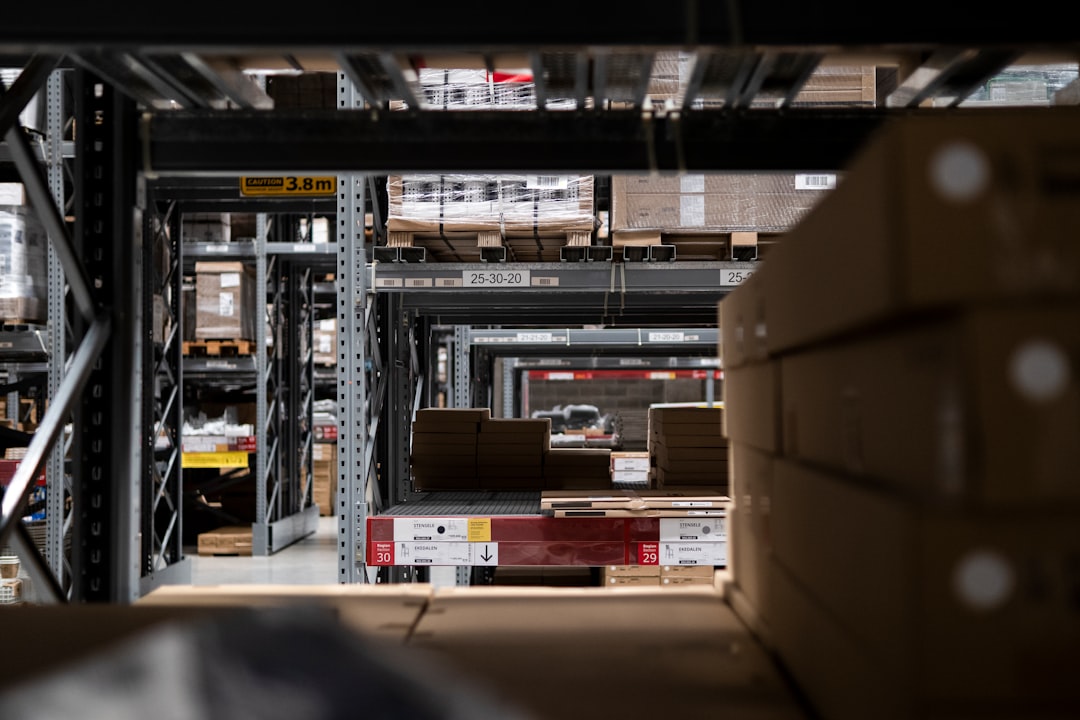
In today’s fast-paced global economy, logistics serves as the backbone of the supply chain, ensuring goods and materials efficiently travel from point A to point B. With the surge of e-commerce and international trade, logistics occupations have become more vital than ever. For those considering a career in this industry, the field offers a dynamic environment filled with diverse roles, growth opportunities, and competitive salaries.
TL;DR: Logistics Career Path Summary
Logistics is an essential industry that encompasses planning, distribution, inventory, and transportation. Careers in logistics range from entry-level warehouse positions to executive-level roles in supply chain management. With increasing demand driven by global commerce and digital transformation, logistics professionals enjoy job stability and advancement opportunities. The field values analytical skills, organization, and adaptability, making it ideal for problem-solvers who enjoy fast-paced work environments.
What Is Logistics?
Logistics involves the coordination of complex operations related to the movement, storage, and flow of goods, services, and information within a supply chain. It includes everything from sourcing raw materials to delivering finished products to consumers. Effective logistics ensure timely deliveries, cost efficiency, and overall customer satisfaction.
Key sectors in logistics include:
- Transportation: Managing the movement of goods via air, sea, rail, or road.
- Warehousing: Overseeing storage facilities that house inventory.
- Inventory Management: Tracking and optimizing stock levels.
- Procurement: Sourcing and acquiring necessary materials or goods.
- Supply Chain Planning: Strategizing logistics operations across the supply chain.
Entry-Level Roles in Logistics
The logistics field offers multiple ways to enter, often requiring only a high school diploma and on-the-job training for junior roles. Entry-level positions lay the groundwork for upward mobility and experience-building.
Common entry-level roles include:
- Warehouse Associate: Responsible for receiving, packing, and shipping products.
- Logistics Coordinator: Assists in route planning, scheduling, and inventory management.
- Dispatch Clerk: Handles communication between drivers and logistics centers.
- Forklift Operator: Operates machinery for moving heavy materials inside warehouses.
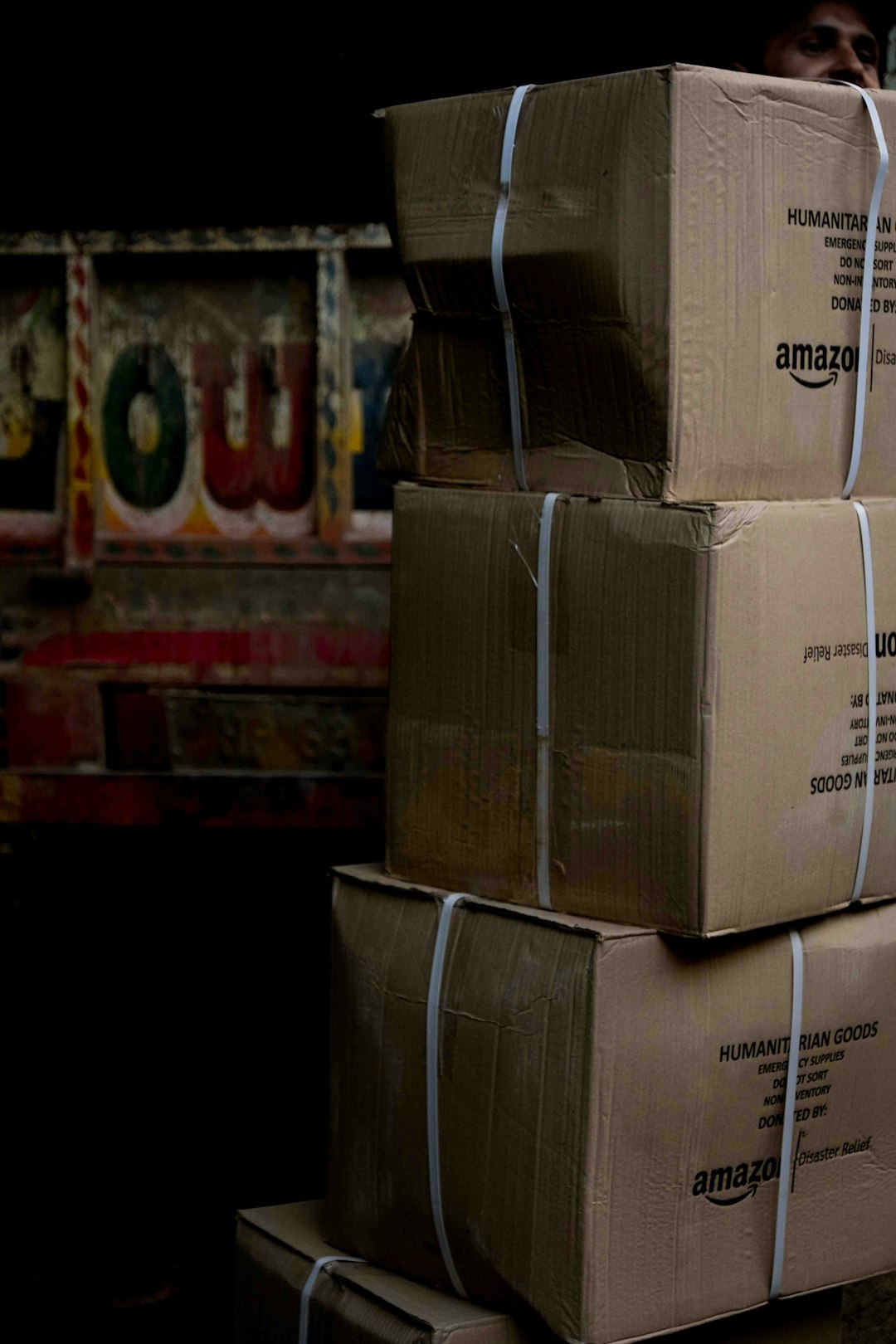
Mid-Level Logistics Careers
With some experience, professionals can progress to mid-level roles that involve greater responsibility, supervision, and strategic involvement. These roles often require analytical thinking, team management skills, and a sound understanding of logistics principles.
Examples of mid-level logistics jobs:
- Inventory Analyst: Monitors and optimizes stock levels to meet demand.
- Fleet Manager: Oversees a group of vehicles used in transporting goods.
- Customs Broker: Specializes in international shipping and ensures compliance with trade regulations.
- Operations Supervisor: Ensures smooth daily activities within distribution centers.
Advanced and Specialized Roles
As individuals build experience and often gain additional education, they can pursue specialized or leadership roles that significantly impact company performance and global operations.
Some top-tier roles in logistics include:
- Supply Chain Manager: Strategically coordinates all logistics aspects across the supply chain.
- Logistics Engineer: Designs and enhances logistics systems and infrastructure using data-driven methodologies.
- Transportation Director: Leads company-wide transportation initiatives and partnerships.
- Chief Operations Officer (COO): Oversees entire operational frameworks including logistics.

Required Skills and Qualifications
A successful career in logistics demands both hard and soft skills. While entry-level roles can be learned on the job, mid and upper-level positions usually require more formal qualifications and a deeper understanding of the industry’s nuances.
Essential Skills:
- Analytical thinking: Ability to solve complex logistical problems.
- Attention to detail: Ensuring accuracy in tracking and scheduling.
- Project management: Overseeing tasks and timelines efficiently.
- Communication: Coordinating among teams, clients, and suppliers.
- Technical proficiency: Familiarity with logistics software like SAP, Oracle, or TMS platforms.
Educational Pathways:
- Associate or Bachelor’s degree in Logistics, Supply Chain Management, Business Administration, or related fields.
- Certifications such as Certified Supply Chain Professional (CSCP) or Certified in Logistics, Transportation and Distribution (CLTD).
Day-to-Day Responsibilities
While responsibilities vary widely by role, most logistics professionals engage in activities such as:
- Coordinating transportation and delivery schedules
- Managing warehouse operations and staff
- Analyzing supply chain data to reduce costs
- Tracking shipments and resolving delays
- Communicating with suppliers, clients, and internal teams
Career Outlook and Salary Expectations
The logistics sector is expected to grow steadily, driven by globalization, e-commerce, and technological advancements. According to the U.S. Bureau of Labor Statistics, employment in logistics-related occupations is projected to grow 18% from 2022 to 2032—much faster than the average for all jobs.
Average Salaries:
- Warehouse Associate: $32,000 – $42,000
- Logistics Coordinator: $45,000 – $60,000
- Supply Chain Analyst: $60,000 – $80,000
- Logistics Manager: $75,000 – $100,000
- Director of Operations: $100,000 and above
Advantages of a Career in Logistics
There are several reasons why logistics attracts job seekers from different backgrounds:
- Stability: Constant demand across multiple industries.
- Versatility: Transferable skills applicable globally.
- Growth Potential: Clear career pathways and leadership roles.
- Technological Integration: Innovative tools and digital software enhance efficiency.
Challenges in the Logistics Field
Despite its benefits, logistics careers come with their own set of challenges:
- High demand environments with time-sensitive operations.
- Irregular hours or shift work, especially in warehousing and transportation.
- Global disruptions like pandemics or trade disputes affecting supply chains.
Tips for Starting a Career in Logistics
- Start with internships: Gain hands-on experience while networking.
- Get certified: Credentials like CLTD or CSCP enhance your profile.
- Develop soft skills: Communication and time management are highly valued.
- Stay current: Follow industry trends and innovations.
FAQs About Careers in Logistics
- Do I need a degree to work in logistics?
- No, many logistics roles accept high school graduates for entry-level positions. However, advanced roles typically require a degree or certifications.
- Is logistics a good long-term career?
- Yes. With increasing global demand and technological advancement, logistics offers stability, competitive pay, and growth.
- What industries hire logistics professionals?
- Industries such as retail, manufacturing, pharmaceuticals, defense, and e-commerce all rely heavily on logistics professionals.
- How can I transition into logistics from another field?
- Strong organizational, analytical, or project management skills are transferable. Consider certifications or part-time roles to get started.
- Are there remote jobs in logistics?
- Yes. Roles such as supply chain