
For U.S.-based traders, access to professional trading platforms is shaped not only by preference but by regulation. One of the most commonly asked questions among forex and CFD traders is whether MetaTrader 5 (MT5), one of the world’s leading multi‑asset trading platforms, is available in the United States. The answer is not entirely straightforward and requires understanding both regulatory policies and broker practices.
TL;DR: MetaTrader 5 is technically available in the United States, but access depends on the broker offering it. Many offshore brokers provide MT5 to U.S. residents, but U.S.-regulated forex brokers have limited offerings due to strict regulatory frameworks. Traders must ensure that any platform or broker they use complies with U.S. law. Verifying regulatory oversight is essential before opening an account.
Understanding MetaTrader 5
MetaTrader 5 (MT5) is a multi-asset trading platform developed by MetaQuotes. It was designed as the successor to MetaTrader 4 (MT4) and supports trading in:
- Forex (currency pairs)
- Stocks and equities
- Futures
- Commodities
- Indices
- Cryptocurrencies (through supported brokers)
MT5 offers advanced charting tools, multiple order types, algorithmic trading capabilities, and improved execution systems compared to MT4. For many traders globally, MT5 represents a modern and powerful upgrade from older platforms.
However, platform capabilities alone do not determine accessibility in the U.S. The regulatory environment plays a significant role.
The U.S. Regulatory Environment
The United States has one of the most tightly regulated financial markets in the world. Forex and derivatives trading are overseen primarily by:
- The Commodity Futures Trading Commission (CFTC)
- The National Futures Association (NFA)
Any broker offering retail forex services to U.S. residents must register as a Retail Foreign Exchange Dealer (RFED) or as a Futures Commission Merchant (FCM). They must also comply with strict requirements, including:
- High minimum capital requirements
- Leverage limits (typically 50:1 for major pairs)
- No hedging rules
- First in, first out (FIFO) trade execution
Because of these rules, many international brokers choose not to serve U.S. clients. This directly affects the availability of MT5, as traders can only access the platform through brokers willing and legally able to operate in the U.S.
Is MetaTrader 5 Directly Restricted in the U.S.?
It is important to clarify a common misconception: MetaTrader 5 itself is not illegal in the United States. The software can be downloaded freely. However, traders cannot use it for live trading unless they have an account with a broker that:
- Accepts U.S. residents
- Is properly licensed under U.S. law (if operating domestically)
- Or operates offshore (which carries additional risks)
In other words, MT5 availability in the U.S. depends almost entirely on broker support rather than the software itself.
Why Many U.S. Brokers Do Not Offer MT5
Several factors contribute to the limited number of U.S.-regulated brokers offering MT5:
1. Compliance Adaptation Challenges
MT5 was built for global markets, and its default structure does not naturally align with certain U.S. regulations such as FIFO and no-hedging rules. Brokers must modify their systems and configuration settings to comply.
2. Market Size Limitations
The U.S. retail forex market is relatively small compared to Asia and Europe due to strict leverage restrictions. This reduces incentives for platform expansion.
3. Platform Consolidation
Some U.S.-regulated brokers historically supported MetaTrader 4 but have chosen proprietary platforms or alternative systems instead of upgrading to MT5.
How U.S. Traders Access MT5
There are typically three ways U.S.-based traders attempt to use MT5:
1. Through U.S.-Regulated Brokers
Only a small number of registered brokers may offer MT5 or alternatives compatible with it. Traders must verify registration through the NFA’s official background check system.
2. Through Offshore Brokers
Many offshore brokers based in jurisdictions such as Cyprus, Seychelles, or St. Vincent and the Grenadines offer MT5 accounts to U.S. residents.
However, this approach carries significant risks:
- No protection under U.S. regulatory authorities
- Limited legal recourse in disputes
- Higher fraud exposure
- Potential tax compliance complexity
3. Through Demo Accounts
Some traders use MT5 demo accounts provided by international brokers. While this allows platform familiarization, it does not allow live trading without going through regulatory verification.
Comparison: U.S.-Regulated vs. Offshore MT5 Access
Below is a simplified comparison chart highlighting key differences:
| Factor | U.S.-Regulated Broker | Offshore Broker |
|---|---|---|
| Regulatory Oversight | CFTC and NFA | Foreign regulator or minimal oversight |
| Legal Protection | Strong legal recourse | Limited or unclear protection |
| Leverage Limits | Up to 50:1 (major pairs) | Often 100:1 to 500:1 |
| Hedging Allowed | No | Often yes |
| Risk of Fraud | Relatively low | Higher |
| Tax Reporting | Straightforward | More complex |
Is MT5 Better Than MT4 for U.S. Traders?
Some traders wonder if switching to MT5 is worth the effort, especially given access limitations. Compared to MT4, MT5 offers:
- More timeframes
- More technical indicators built-in
- Depth of Market (DOM) functionality
- Economic calendar integration
- Improved backtesting capabilities
- Multi-asset trading flexibility
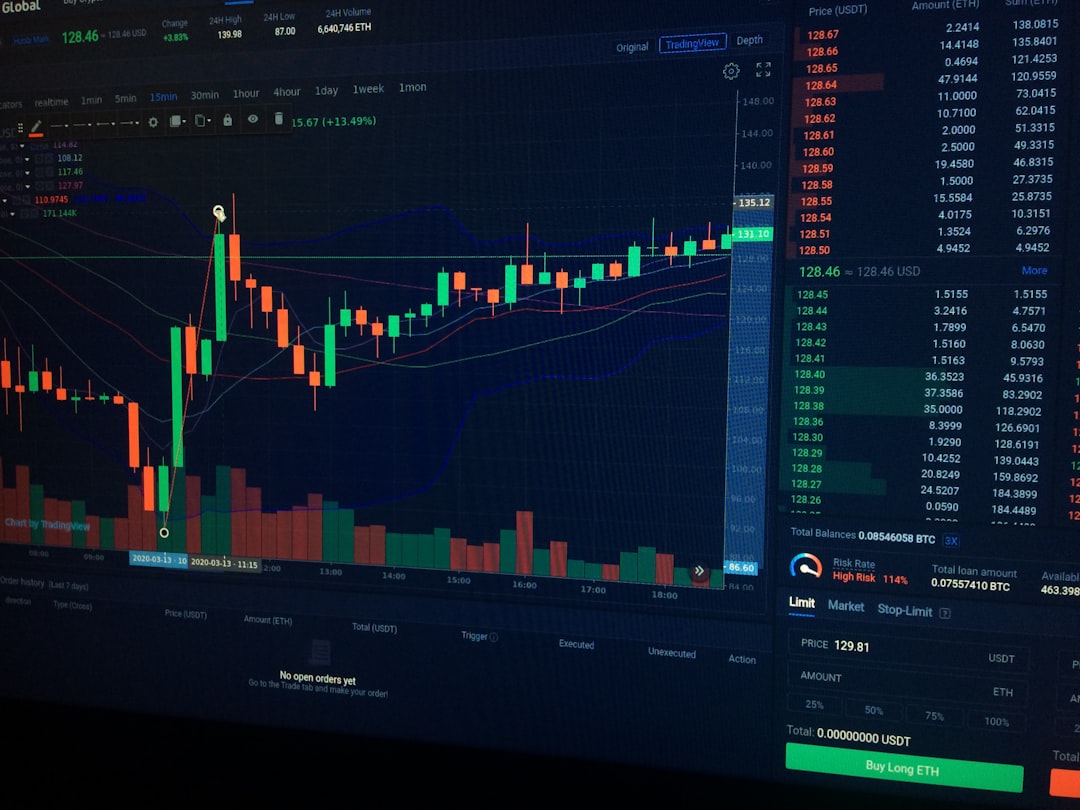
However, in the U.S., where few brokers offer wide multi-asset CFD trading in the same way as Europe or Asia, some of MT5’s advantages may not be fully utilized.
Legal and Tax Considerations
U.S. traders are taxed differently on forex transactions under Section 988 or Section 1256 of the Internal Revenue Code. Trading through offshore brokers can complicate reporting requirements, especially if:
- Funds are held in foreign accounts
- Foreign Bank Account Reporting (FBAR) thresholds are met
- Additional disclosures are required
Using an unregulated broker does not exempt a trader from U.S. tax obligations. Failing to report foreign trading accounts can result in significant penalties.
Security Concerns and Account Safety
The safety of funds should be a primary consideration when choosing any broker offering MT5. U.S.-regulated brokers must adhere to strict capital and reporting standards, including:
- Segregation of client funds
- Financial reporting transparency
- Routine audits
- Enforcement mechanisms
Offshore brokers may not provide equivalent transparency. While many are reputable, the absence of strong oversight increases the importance of due diligence.
Image not found in postmetaPractical Steps for U.S. Traders Interested in MT5
If you are based in the United States and want access to MT5, consider the following steps:
- Verify Broker Registration: Check the NFA BASIC database.
- Understand Platform Limitations: Confirm compatibility with U.S. trading rules.
- Review Fee Structures: Examine spreads, commissions, and withdrawal policies.
- Consult a Tax Professional: Especially if trading through foreign entities.
- Start With a Demo Account: Test platform functionality before committing capital.
Looking Toward the Future
The U.S. regulatory environment is unlikely to loosen significantly in the near term. However, technological integration and growing interest in multi-asset platforms may encourage more domestic brokers to adopt modern systems like MT5.
As financial markets globalize and traders demand sophisticated tools, competitive pressures could gradually increase MT5 accessibility within compliant frameworks. Nonetheless, any change would likely occur slowly and conservatively.
Final Verdict
MetaTrader 5 is technically available in the United States, but broker access is limited. The platform itself is not banned, yet its practical use depends entirely on finding a broker that serves U.S. residents within regulatory guidelines.
While offshore brokers expand options, they also introduce additional risk and compliance complexity. For serious traders, regulatory protection and capital security should outweigh the appeal of higher leverage or expanded asset classes.
Ultimately, MT5 can be accessed from the U.S., but it requires careful selection, regulatory awareness, and disciplined risk management. Traders should view platform availability not as a simple yes-or-no question, but as a matter of legal structure, broker compliance, and financial responsibility.