Urban areas are becoming the dominant habitat of humanity, shaping how people live, work, and interact with the environment. As cities expand under the pressure of population growth, climate change, and economic transformation, urban planning is undergoing a profound evolution. The future of urban planning lies at the intersection of innovation, resilience, and sustainability, where technology-driven solutions and human-centered design aim to create cities that are more inclusive, efficient, and environmentally responsible.
TLDR: The future of urban planning focuses on using technology, sustainable design, and inclusive policies to address rapid urbanization and climate challenges. Smart cities, green infrastructure, and data-driven decision-making are reshaping how urban spaces function. Despite obstacles such as inequality and governance complexity, innovative strategies offer pathways toward resilient and livable cities. Long-term success depends on balancing environmental goals with social and economic needs.
The Evolution of Urban Planning
Historically, urban planning emphasized order, zoning, and infrastructure development, often prioritizing efficiency over social or environmental considerations. Modern urban planning, however, has expanded to include social equity, public health, and ecological balance. Cities are now seen as complex systems that require integrated approaches rather than isolated solutions.
This shift reflects a broader understanding that urban challenges are interconnected. Housing affordability, transportation congestion, and environmental degradation frequently share common causes. As a result, planners increasingly rely on interdisciplinary collaboration, combining insights from architecture, environmental science, economics, and sociology.
Innovations Shaping the Future City
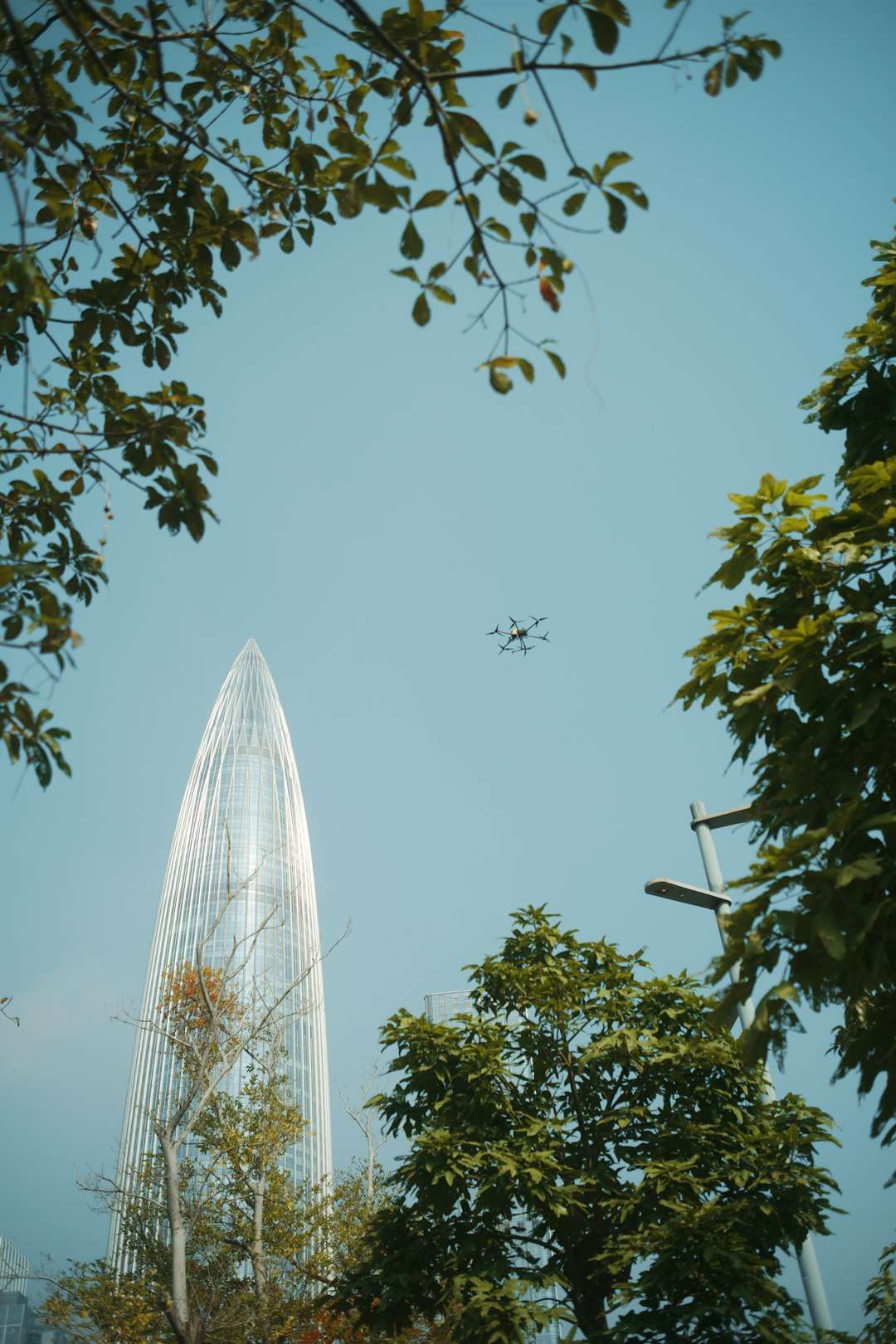
Technological innovation is one of the most powerful drivers reshaping urban environments. The concept of the smart city has gained global traction, referring to urban areas that use digital technologies and data analytics to optimize services and infrastructure.
- Smart infrastructure: Sensors and Internet of Things technologies help manage traffic, energy use, and waste collection more efficiently.
- Digital governance: Online platforms enable citizen engagement, transparent decision-making, and faster public services.
- Autonomous mobility: Self-driving vehicles and smart public transit systems aim to reduce congestion and emissions.
Beyond digital tools, innovation also includes new urban design approaches. Mixed-use developments, walkable neighborhoods, and compact city models reduce reliance on cars while encouraging social interaction and local economies.
Challenges Facing Urban Planning
Despite promising innovations, urban planning faces significant challenges that complicate implementation. Rapid urbanization is straining existing infrastructure, particularly in developing regions where cities grow faster than planning systems can adapt.
One major issue is social inequality. Gentrification, unequal access to services, and housing shortages often accompany urban redevelopment. Without careful planning, technological advancements risk benefiting only certain segments of the population.
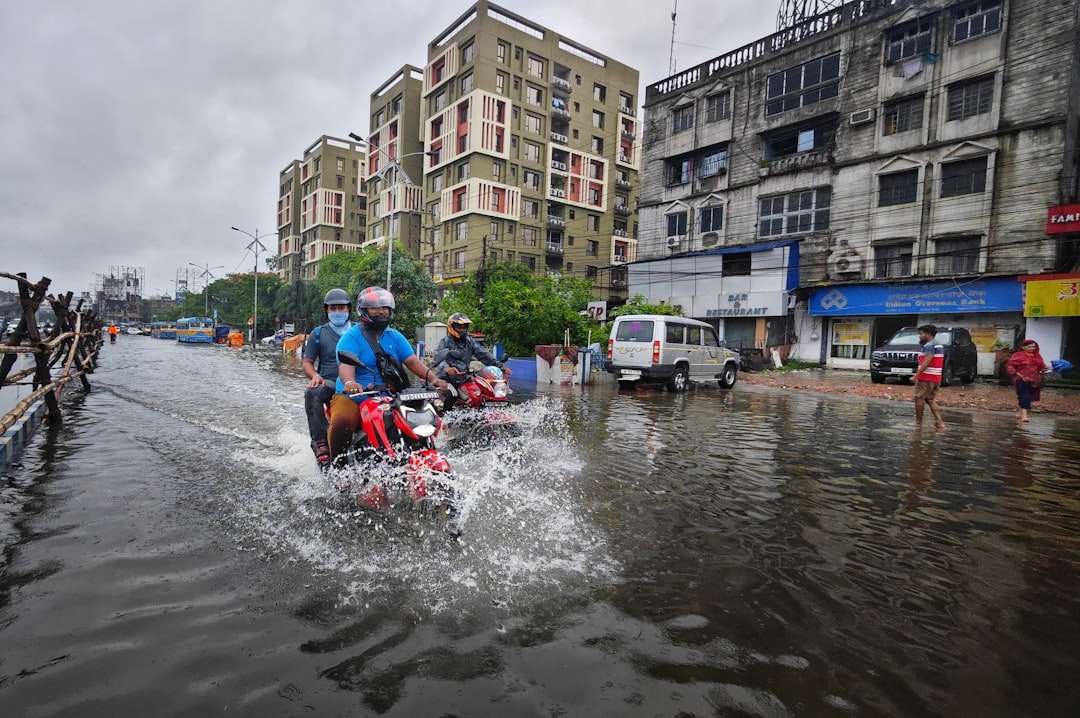
Environmental pressures also pose critical challenges. Cities are major contributors to greenhouse gas emissions and are increasingly vulnerable to climate-related risks such as flooding, heatwaves, and sea-level rise. Urban planners must therefore balance growth with resilience.
Sustainable Solutions for Resilient Cities
Sustainability has become a central pillar of future urban planning. Rather than treating environmental protection as an add-on, planners are embedding sustainability into every aspect of city development.
Green infrastructure is a key strategy. This includes parks, green roofs, urban forests, and permeable surfaces that manage stormwater while improving air quality and public health. Such solutions often cost less in the long run than traditional gray infrastructure.
- Renewable energy integration: Solar panels, wind energy, and district heating systems reduce dependence on fossil fuels.
- Water-sensitive design: Cities capture and reuse rainwater, reducing flood risk and water scarcity.
- Circular economy principles: Waste is minimized through recycling, reuse, and local production systems.
Transportation planning is another critical area. Sustainable cities prioritize public transit, cycling, and pedestrian infrastructure. By redesigning streets for people rather than vehicles, cities can lower emissions while enhancing quality of life.
Image not found in postmetaThe Role of Data and Artificial Intelligence
Data-driven planning is transforming how cities anticipate and respond to challenges. Artificial intelligence tools help analyze vast amounts of information, from traffic patterns to energy consumption, enabling planners to make more informed decisions.
Predictive modeling allows cities to simulate future scenarios, such as population growth or climate impacts. This proactive approach reduces risk and supports long-term resilience. However, reliance on data also raises questions about privacy, cybersecurity, and ethical use, which planners must address carefully.
Community-Centered Urban Planning
The future of urban planning increasingly emphasizes community participation. Inclusive planning processes recognize residents as experts in their own lived environments. Through workshops, digital platforms, and participatory budgeting, citizens can influence how their neighborhoods evolve.
This approach improves outcomes by aligning development with local needs and cultural contexts. It also fosters trust between governments and communities, which is essential for implementing ambitious urban transformations.
Looking Ahead
The future of urban planning is neither purely technological nor solely environmental. It is a holistic endeavor that integrates innovation, policy, and human values. Cities that succeed will be those that remain adaptable, equitable, and committed to sustainability over the long term.
As urban populations continue to rise, the choices made today will shape living conditions for generations. Thoughtful urban planning, grounded in collaboration and evidence-based strategies, offers a pathway toward cities that are not only larger, but better places to live.
Frequently Asked Questions
- What is the main goal of future urban planning?
The primary goal is to create cities that are sustainable, resilient, and inclusive while efficiently supporting growing populations. - How do smart cities improve daily life?
Smart cities use technology to optimize transportation, energy use, and public services, reducing costs and improving convenience for residents. - Why is sustainability crucial in urban planning?
Sustainability helps cities reduce environmental impact, adapt to climate change, and ensure long-term resource availability. - What role do citizens play in modern urban planning?
Citizens contribute local knowledge, participate in decision-making, and help shape developments that reflect community needs. - Can urban planning really address climate change?
While it cannot solve climate change alone, effective urban planning significantly reduces emissions and increases resilience to climate impacts.