In today’s competitive retail environment, packaging is far more than a protective shell. It is a strategic asset that influences purchasing decisions, communicates brand values, ensures regulatory compliance, and supports supply chain efficiency. From the earliest spark of an idea to the moment a product lands on a store shelf, a packaging design company plays a vital and multifaceted role. Businesses that understand this process—and invest in it properly—position themselves for stronger brand recognition, smoother production cycles, and improved sales performance.
TLDR: A packaging design company guides products from early concept to retail launch by combining strategy, engineering, branding, and compliance expertise. Their work ensures packaging is visually compelling, structurally sound, cost-effective, and aligned with regulations. Through research, prototyping, testing, and supplier coordination, they reduce risk and accelerate market readiness. Effective packaging is not decoration—it is a measurable business tool that drives success on the shelf.
The journey from concept to shelf is complex. It demands cross-disciplinary coordination between marketing teams, product developers, engineers, printers, and manufacturers. A professional packaging design company acts as the central orchestrator of this process, ensuring every detail serves both the brand and the consumer.
1. Strategic Discovery and Brand Alignment
Every successful packaging project begins with discovery. Before sketches or prototypes are created, seasoned packaging designers conduct in-depth research to understand:
- Target audience demographics and buying behavior
- Retail environment and shelf competition
- Brand positioning and tone of voice
- Product requirements and constraints
- Distribution and logistics considerations
This foundational research ensures that design decisions are intentional, not subjective. Packaging must align with brand strategy. A premium skincare product should communicate refinement and trust. A children’s snack brand must convey safety, playfulness, and clarity.
At this stage, packaging design companies often create mood boards, competitive audits, and positioning frameworks. These tools guide visual and structural development and prevent costly redesigns later in the process.
2. Concept Development and Creative Design
Once strategy is defined, ideation begins. This is where creativity and commercial practicality converge. A packaging design company develops multiple visual and structural concepts that reflect the agreed brand direction.
This phase includes:
- Structural engineering concepts (shape, opening mechanisms, protective features)
- Graphic design exploration (color palettes, typography, imagery)
- Material selection proposals (paperboard, corrugated, glass, plastics, sustainable alternatives)
- Preliminary cost assessments
Designers must consider shelf impact. A product typically has only a few seconds to capture consumer attention. Strategic use of color contrast, hierarchy of information, and clear messaging dramatically influences purchase decisions.
However, creativity is not enough. Designs must also account for how the packaging will be filled, sealed, transported, displayed, and disposed of. This integration of aesthetics and engineering is a defining strength of experienced packaging design companies.
3. Structural Engineering and Material Expertise
Many businesses underestimate the technical complexity of packaging. Structural integrity plays a critical role in protecting products during transit while minimizing material waste and shipping costs.
A packaging design company evaluates:
- Compression resistance for stacking
- Impact protection during shipping
- Moisture and temperature resistance
- Ease of assembly and filling
- Sustainability and recyclability
Material selection decisions affect not only durability but also pricing and environmental footprint. With sustainability expectations rising among consumers and regulators, packaging partners must balance performance with responsible sourcing and end-of-life considerations.
Image not found in postmetaAdvanced packaging firms conduct drop tests, compression tests, and environmental simulations to ensure packaging will perform under real-world conditions. This reduces the risk of product damage, returns, and reputational harm.
4. Compliance and Regulatory Navigation
Packaging is subject to strict regulations, particularly in industries such as food, beverages, cosmetics, pharmaceuticals, and consumer electronics. A qualified packaging design company helps clients navigate:
- Labeling requirements (ingredient lists, warnings, barcodes)
- Regional compliance standards
- Environmental labeling regulations
- Safety certifications
Failure to comply can result in fines, product recalls, and lost trust. Professional packaging designers coordinate with legal teams and regulatory specialists to ensure artwork and materials meet applicable requirements in every target market.
5. Prototyping and Real-World Testing
A digital rendering cannot fully predict how a package will perform in reality. Prototyping is a critical bridge between concept and mass production.
Packaging design companies create:
- White prototypes to test structure
- Printed mock-ups for visual approval
- Functional samples for filling line testing
Physical prototypes allow stakeholders to assess usability, durability, and retail presentation. Minor design flaws—such as difficult opening mechanisms or unclear labeling—can be identified early and corrected efficiently.
This iterative process significantly reduces production risk. In large product launches, avoiding even one major redesign can save substantial time and investment.
6. Supplier Coordination and Production Oversight
A packaging design company does more than deliver artwork files. It often coordinates directly with manufacturers, printers, and material suppliers to ensure execution aligns with design intent.
This includes:
- Print method selection (flexographic, offset, digital)
- Color calibration and proofing
- Material sourcing validation
- Cost optimization discussions
Production oversight is essential because minor technical variations can significantly alter final results. Color shifts, inconsistent embossing, or structural weakness can compromise a product’s presentation at retail.
Experienced packaging companies conduct press checks and quality assurance reviews to ensure that the first production run meets expectations. This diligence protects brand integrity at launch.
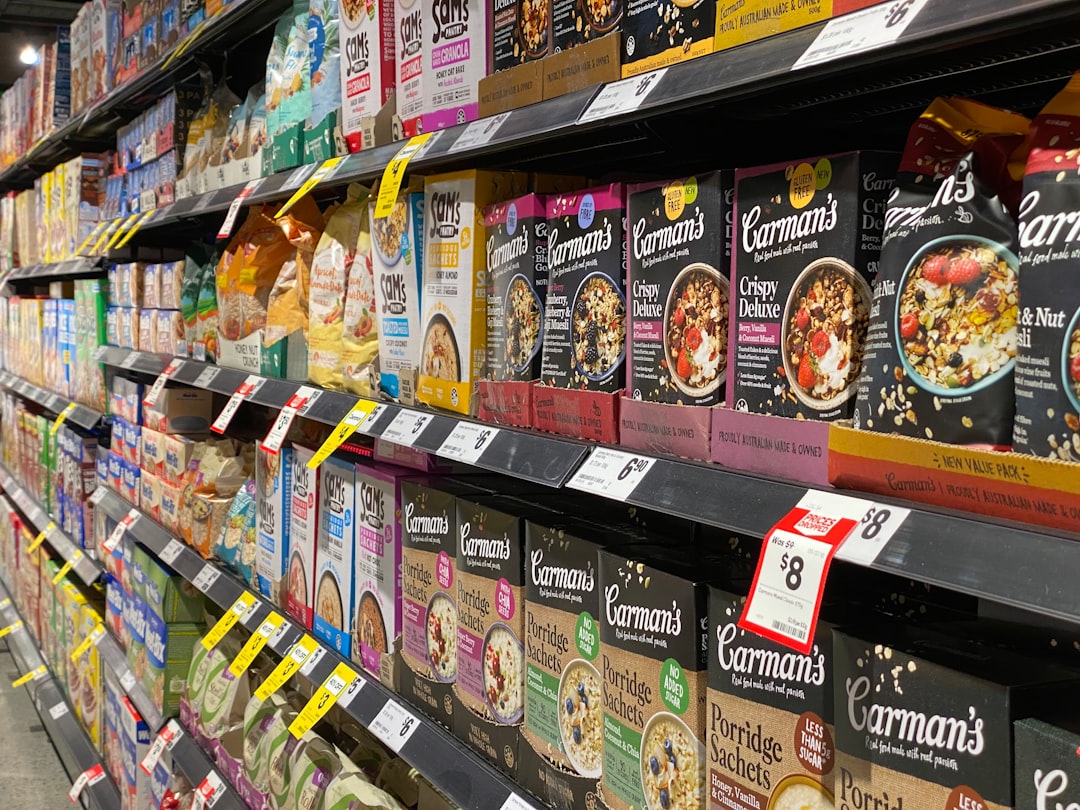
7. Retail Readiness and Shelf Strategy
Standing out on a shelf requires more than attractive graphics. Packaging must integrate into retail systems while maintaining visibility.
Packaging design companies consider:
- Planogram placement
- Point of sale displays
- Secondary and tertiary packaging
- E-commerce presentation requirements
Retail-ready packaging often includes features such as perforated display trays, stackable formats, or QR codes that connect in-store browsing with digital engagement.
For products sold online, durability and unboxing experience become equally important. A compelling unboxing experience can amplify customer satisfaction and encourage social sharing, extending brand reach beyond physical shelves.
8. Sustainability and Future-Focused Innovation
Sustainability is no longer optional. Consumers increasingly evaluate brands based on their environmental impact. A packaging design company integrates eco-conscious principles at every stage:
- Material reduction and lightweighting
- Use of recycled or renewable resources
- Design for recyclability
- Minimizing excess layers
Balancing sustainability with performance is complex. Lightweight materials may reduce shipping emissions but must still protect the product effectively. Professional packaging experts conduct lifecycle analyses to assess environmental trade-offs and support informed decisions.
Forward-looking firms also explore emerging innovations, including smart packaging with NFC tags, tamper-evident technologies, and biodegradable materials. This ensures brands remain competitive in evolving markets.
9. Measurable Business Impact
The value of a packaging design company ultimately lies in measurable outcomes. Effective packaging contributes to:
- Increased conversion rates at retail
- Reduced product damage and returns
- Improved manufacturing efficiency
- Enhanced brand recognition
- Greater consumer trust
Companies that invest strategically in packaging frequently report stronger launch performance and long-term brand equity growth. Packaging becomes a silent salesperson—communicating quality, safety, innovation, and reliability without requiring additional marketing spend.
Conclusion
From the first brainstorming session to the final placement on a retail shelf, the journey of packaging development demands precision, expertise, and strategic vision. A packaging design company serves as both creative partner and technical authority throughout this process.
By integrating brand strategy, structural engineering, regulatory compliance, production oversight, and sustainability considerations, these firms transform ideas into tangible market-ready solutions. The result is packaging that protects, persuades, and performs.
In a marketplace where consumers make rapid decisions and competition is relentless, packaging is not merely an accessory—it is a decisive competitive advantage. Businesses that treat it with the seriousness it deserves are better equipped to succeed from concept to shelf and beyond.