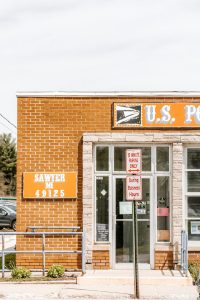
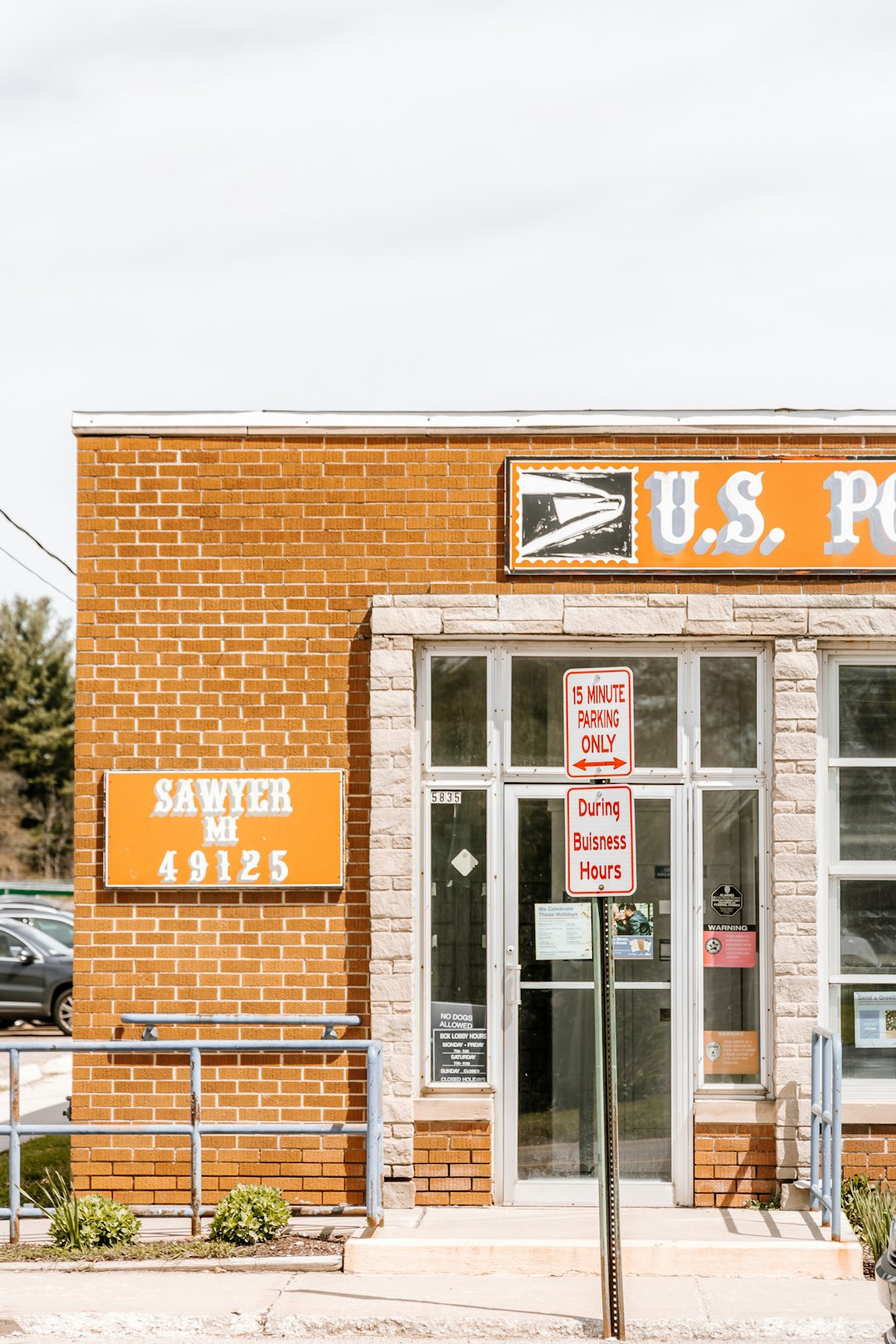
The United States Postal Service (USPS) has long been a trusted provider of affordable financial services, especially for people who prefer secure, paper-based payment methods. In 2026, many consumers still rely on money orders for rent, bill payments, and transactions that require guaranteed funds. But does the USPS still sell money orders in 2026, and what are the current fees and limits? This complete guide explains everything customers need to know before heading to their local post office.
TLDR: Yes, the United States Postal Service still sells money orders in 2026. Domestic money orders are available at most Post Office locations with a maximum value of $1,000 each. Fees vary based on the amount, but USPS remains one of the most affordable and secure options in the United States. Customers can also purchase international money orders with certain country restrictions.
Does USPS Sell Money Orders in 2026?
Yes, USPS continues to sell money orders at nearly all retail Post Office locations across the United States in 2026. Money orders remain a popular option for people who:
- Do not have a bank account
- Prefer not to use personal checks
- Need guaranteed funds
- Are sending payments through the mail
USPS money orders are widely accepted and considered secure because they are backed by the federal government. This makes them a reliable payment method for landlords, utility companies, and government agencies.
How USPS Money Orders Work
A USPS money order works similarly to a prepaid check. Customers pay the full amount upfront, along with a small fee. The recipient can then cash or deposit the money order like a check. Because the funds are prepaid, the risk of insufficient funds is eliminated.
Each USPS money order includes:
- The payment amount
- The payee’s name
- The purchaser’s information
- A detachable receipt for tracking
Keeping the receipt is important. If the money order is lost or stolen, it can be traced or replaced using the receipt information.
USPS Money Order Fees in 2026
Fees for USPS money orders remain relatively affordable in 2026 compared to banks and some retail stores. Prices may vary slightly by location, but the general fee structure is as follows:
- $0.01 to $500: $1.65 fee
- $500.01 to $1,000: $2.25 fee
- International money orders: $10.50 fee
Military money orders issued at facilities with military postal services typically carry a lower fee of around $0.65.
Fees must be paid at the time of purchase and cannot be added to the money order amount.
Maximum Limits for USPS Money Orders
USPS sets clear limits on the value of money orders:
- Maximum per domestic money order: $1,000
- No daily purchase limit, but large purchases may require additional verification
If someone needs to send $3,000, for example, they would need to purchase three separate money orders of $1,000 each.
For international money orders, the maximum amount varies by destination country.
Where to Buy USPS Money Orders
Money orders can be purchased at:
- Most local Post Office retail counters
- Some military Post Office locations
They are not available through USPS.com for online purchase. Customers must visit a physical location.
Accepted Payment Methods
USPS accepts the following payment types for money orders:
- Cash
- Debit cards
- Traveler’s checks
Credit cards are generally not accepted for purchasing money orders.
Are USPS Money Orders Safe?
USPS money orders are considered one of the safer money order options available. They include several security features designed to prevent fraud and counterfeiting.
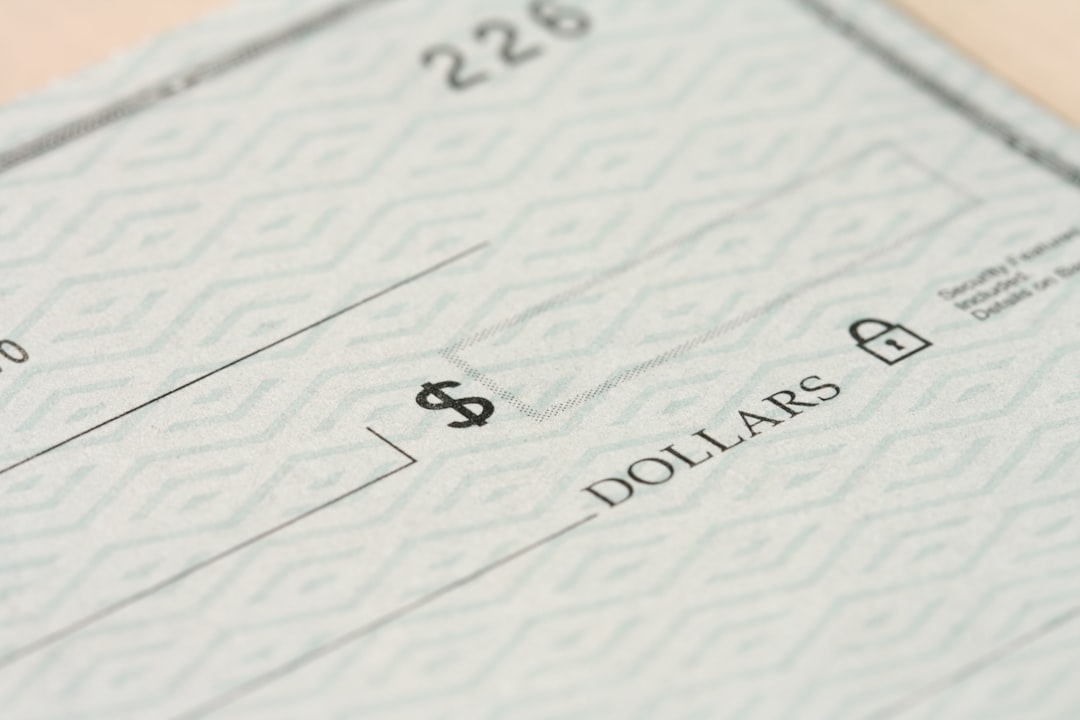
These features may include:
- Watermarks
- Security threads
- Distinctive paper and printing
- Tracking serial numbers
Recipients can verify the authenticity of a USPS money order by using the official USPS verification system or by visiting a Post Office.
Domestic vs. International Money Orders
USPS offers both domestic and international money orders in 2026. However, international availability depends on the destination country.
Domestic Money Orders
- Maximum value: $1,000
- Low purchase fees
- Accepted widely across the U.S.
International Money Orders
- Maximum amounts vary by country
- Higher fee (around $10.50)
- Available only for select countries
Before purchasing an international money order, customers should confirm that the destination country accepts USPS-issued instruments.
Comparison: USPS vs. Other Money Order Providers (2026)
| Provider | Max Amount | Fee (Up To $1,000) | Availability |
|---|---|---|---|
| USPS | $1,000 per order | $1.65–$2.25 | Post Office locations |
| Walmart | $1,000 | Up to $1 | Walmart stores |
| Western Union | $1,000+ | Varies, often higher | Retail partners |
| Banks | Varies | $5–$15 typically | Account holders only |
While Walmart may offer slightly lower fees, USPS remains one of the most trusted and widely accepted options, especially for mailed payments.
How to Fill Out a USPS Money Order
Filling out a USPS money order properly is crucial for security. Customers should:
- Write the recipient’s name clearly in the “Pay to” line.
- Add their own name and address in the “From” section.
- Include an account number (if applicable) in the memo line.
- Sign the front of the money order.
Customers should avoid leaving sections blank, as this can increase fraud risk.

Can You Track or Replace a USPS Money Order?
Yes. USPS provides a money order inquiry service. If a money order is lost, stolen, or damaged, customers can:
- Submit PS Form 6401
- Pay a processing fee (typically around $15)
- Provide the original receipt for faster processing
The tracking process can take several weeks, so keeping the receipt is extremely important.
Common Reasons People Use USPS Money Orders in 2026
Despite the rise of digital payment apps, USPS money orders remain relevant. Common use cases include:
- Paying rent
- Sending payments securely through the mail
- Government-related transactions
- Situations where cash or personal checks are not accepted
For unbanked and underbanked individuals, money orders continue to offer a simple and accessible financial tool.
Advantages and Disadvantages
Advantages
- Government-backed security
- Widely accepted
- Affordable fees
- No bank account required
Disadvantages
- $1,000 per order limit
- Must visit a Post Office in person
- Replacement process can take time
Final Thoughts
In 2026, USPS continues to sell money orders as a reliable, secure, and affordable alternative to checks and digital transfers. With low fees, strong anti-fraud protections, and nationwide availability, USPS money orders remain an essential service for millions of Americans. While digital payment solutions continue to grow, the demand for guaranteed paper-based payment methods ensures that money orders still have an important role in the modern financial landscape.
Frequently Asked Questions (FAQ)
1. Does USPS still sell money orders in 2026?
Yes, USPS continues to sell domestic and select international money orders at most Post Office locations.
2. What is the maximum amount for a USPS money order?
The maximum amount for a domestic USPS money order is $1,000 per order.
3. How much does a USPS money order cost in 2026?
Fees typically range from $1.65 to $2.25 for domestic money orders, depending on the amount. International money orders cost around $10.50.
4. Can you buy a USPS money order with a credit card?
No, USPS generally does not accept credit cards for money order purchases. Payment methods usually include cash and debit cards.
5. Are USPS money orders safe?
Yes, USPS money orders include multiple security features and are backed by the federal government, making them a secure payment option.
6. Can USPS money orders be tracked?
Yes, customers can track or request a replacement using the receipt and by submitting a money order inquiry form.
7. Do USPS money orders expire?
No, USPS domestic money orders do not expire, although service fees may apply for certain inquiries after an extended period.
8. Where can you cash a USPS money order?
They can be cashed at Post Offices, banks, check-cashing stores, and some retail locations, depending on local policies.