

Every manager faces the same daily challenge: too many priorities, too many messages, and too little time to keep everything moving smoothly. The shortcut to better organization, communication, and results is not working longer hours; it is building a simple management system that makes expectations visible, decisions easier, and follow-through automatic.
TLDR: A manager improves results faster by creating clear priorities, consistent communication rhythms, and simple systems for accountability. Better organization reduces confusion, while better communication prevents delays and repeated work. When teams know what matters, who owns each task, and how success will be measured, performance becomes easier to manage and improve.
Why Managers Need a Shortcut
In many workplaces, managers are expected to be strategists, coaches, problem solvers, planners, and communicators all at once. Without structure, the role quickly becomes reactive. The manager spends the day answering questions, attending meetings, resolving conflicts, and chasing updates, yet may end the week unsure whether meaningful progress was made.
The shortcut is not a trick or a single productivity hack. It is a practical way of reducing friction. A well-organized manager creates an environment where the team understands priorities, communication is predictable, and outcomes are tracked clearly. This gives the manager more time to lead instead of constantly correcting confusion.
Better management begins when information, expectations, and responsibilities are easy to find and easy to understand.
Start with Fewer, Clearer Priorities
One of the most common reasons teams struggle is that everything feels urgent. When a manager treats all tasks as equally important, team members have no reliable way to make decisions. They may focus on the loudest request, the easiest task, or the most recent message instead of the work that truly matters.
A strong manager narrows attention. This does not mean ignoring smaller tasks; it means making the most important outcomes unmistakable. A useful approach is to define the top three priorities for the week, month, or quarter. These priorities should be specific enough that the team can connect daily work to larger goals.
- Instead of: “Improve customer service.”
- Use: “Reduce average customer response time from 24 hours to 12 hours by the end of the month.”
- Instead of: “Increase productivity.”
- Use: “Complete the onboarding workflow redesign before the next hiring cycle.”
Clear priorities help the manager say no, delay less important work, and reassign resources when needed. They also give team members confidence because everyone knows what success looks like.
Create One Source of Truth
Disorganization often appears when information is scattered across email threads, chat messages, spreadsheets, meeting notes, and personal notebooks. The manager may know what is happening, but the team cannot easily verify details. This leads to repeated questions, missed deadlines, and duplicated effort.
A manager’s shortcut is to create one source of truth for active work. This could be a project management board, shared document, dashboard, or structured spreadsheet. The tool itself matters less than the habit of keeping important information in one reliable place.
The source of truth should answer five basic questions:
- What is the task or goal?
- Who owns it?
- When is it due?
- What is the current status?
- What decision or support is needed?
When these answers are visible, the manager spends less time chasing updates and more time removing obstacles. The team also gains more independence because members can check progress without waiting for permission or clarification.
Use Communication Rhythms Instead of Constant Interruptions
Poor communication is not always caused by too little communication. In many teams, the problem is too much unstructured communication. Messages arrive at random, meetings are scheduled without clear outcomes, and updates are repeated in multiple channels. This creates noise rather than clarity.
A better approach is to establish communication rhythms. These are predictable moments when updates, decisions, and questions are handled. For example, a manager may use a short weekly planning meeting, a midweek progress check, and a monthly review. This gives the team a dependable structure for sharing information.
Effective communication rhythms may include:
- Weekly planning: Aligns the team on goals, deadlines, and ownership.
- Daily or twice-weekly check-ins: Identifies blockers before they become serious problems.
- One-on-one meetings: Supports coaching, feedback, and individual development.
- Monthly reviews: Measures results and adjusts priorities.
When communication is scheduled and purposeful, fewer urgent messages are needed. Team members become better prepared, and the manager can protect time for deeper work.

Make Ownership Visible
A task without a clear owner is rarely completed well. It may be discussed often, but if no one is responsible for the next action, progress depends on chance. Managers often fall into this trap when they say, “The team will handle it.” While teamwork is valuable, accountability still requires ownership.
Visible ownership means every important task has one person who is responsible for moving it forward. That person may collaborate with others, but the manager and the team know who is expected to provide updates and raise concerns.
A simple ownership statement can prevent confusion:
“Maria owns the client presentation. Daniel will provide the data by Wednesday, and Priya will review the final draft by Friday.”
This level of clarity reduces assumptions. It also makes follow-up easier because the manager knows where to direct questions. More importantly, it allows team members to take pride in their responsibilities and understand how their work contributes to the final result.
Turn Meetings into Decision Tools
Meetings can either improve organization or destroy it. A meeting without a purpose often becomes a place where people share information that could have been written down. A useful meeting, however, creates alignment, decisions, and momentum.
Managers can improve meetings by applying three simple rules. First, every meeting should have a clear outcome. Second, every agenda item should be tied to a decision, update, or obstacle. Third, every meeting should end with assigned actions.
A strong meeting close might include:
- Decisions made: What was agreed upon?
- Actions assigned: Who will do what?
- Deadlines confirmed: When will it be done?
- Risks identified: What could slow progress?
This approach transforms meetings from conversations into management tools. The manager no longer needs to rely on memory or informal promises because the next steps are documented and shared.
Build Feedback into the Workflow
Many managers wait too long to give feedback. They save comments for annual reviews, major mistakes, or moments of frustration. This makes feedback feel heavy and uncomfortable. Better managers treat feedback as a normal part of the workflow.
Frequent, specific feedback helps team members adjust while work is still in progress. It also prevents small problems from becoming repeated habits. The most useful feedback is connected to behavior, impact, and improvement.
For example, instead of saying, “This report needs work,” a manager might say, “The report includes useful data, but the recommendation is not clear. Adding a short summary at the beginning will help leadership make a faster decision.”
This type of communication is direct without being discouraging. It gives the employee a clear path forward and keeps the work aligned with expectations.
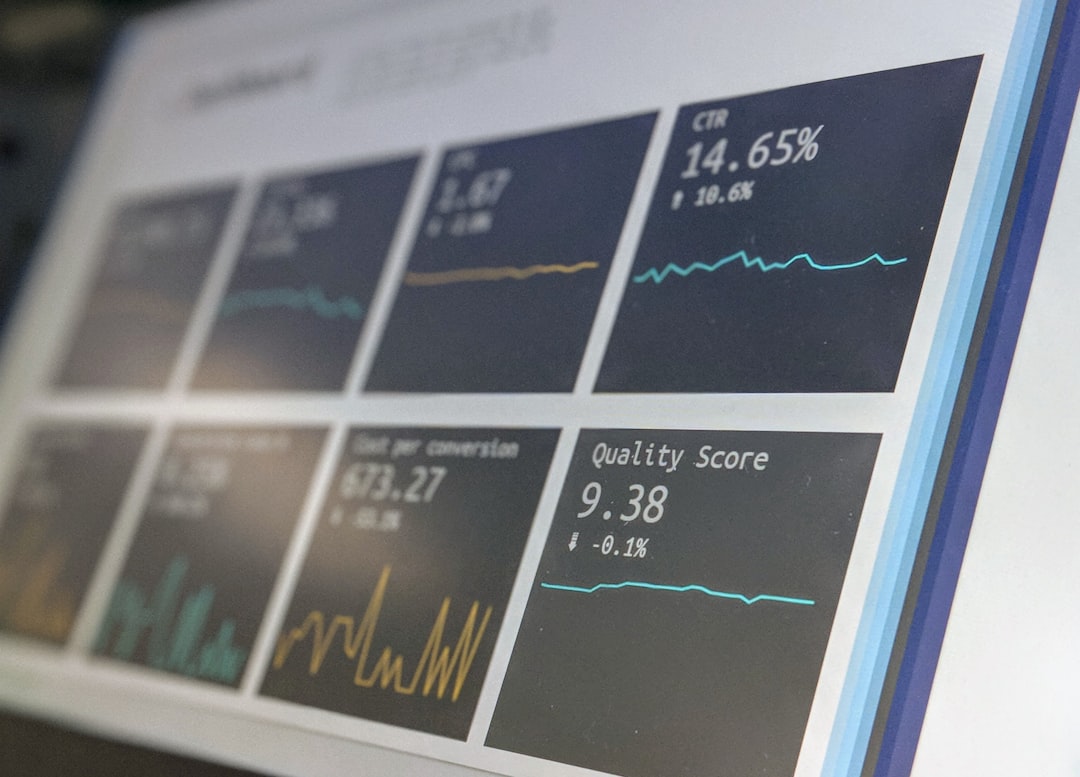
Measure What Actually Matters
Managers often track activity because it is easy to count. Emails sent, calls made, tasks completed, and meetings attended may show effort, but they do not always show results. A team can be busy and still fail to achieve meaningful progress.
The shortcut to better results is choosing a few meaningful measures. These should connect directly to business goals, customer outcomes, operational improvement, or team performance. The right metrics help the manager see whether the team is moving in the right direction.
Useful measures may include:
- Quality: Error rates, customer satisfaction, revision requests, or defect reduction.
- Speed: Response times, cycle times, delivery timelines, or approval delays.
- Impact: Revenue growth, retention, cost savings, or project completion value.
- Engagement: Participation, development progress, workload balance, or retention risk.
When managers measure what matters, performance conversations become more objective. The team can celebrate real progress and identify problems before they become hidden failures.
Protect Focus Time
Organization is not only about lists and tools. It is also about attention. If the manager is constantly interrupted, strategic thinking becomes almost impossible. The same is true for the team. Deep work requires protected time.
A manager can support focus by setting boundaries around meetings, response expectations, and urgent requests. For example, the team may agree that mornings are reserved for focused project work, while afternoons are open for collaboration. Another team may set rules for what counts as urgent and what can wait until the next check-in.
Focus time signals that important work deserves space. It also reduces burnout because employees are not forced to switch tasks every few minutes. Over time, this creates a calmer and more productive environment.
Standardize Repeated Work
Every team has tasks that repeat: onboarding, reporting, approvals, client updates, quality checks, handoffs, and status reviews. If these tasks are handled differently every time, the manager must constantly supervise the process. Standardization creates consistency and saves time.
Simple templates, checklists, and workflows can dramatically improve organization. A checklist for launching a project, for example, ensures that goals, stakeholders, deadlines, risks, and responsibilities are defined before work begins. A reporting template ensures that updates are easy to compare from week to week.
Standardized work does not remove creativity. Instead, it removes unnecessary confusion so that creativity can be used where it matters most. The team spends less energy figuring out the process and more energy improving the outcome.
Lead with Clarity and Calm
A manager’s behavior shapes the team’s operating style. If the manager communicates in panic, changes priorities constantly, or avoids decisions, the team absorbs that uncertainty. If the manager is clear, calm, and consistent, the team is more likely to remain focused even during pressure.
Clarity does not mean having every answer. It means explaining what is known, what is uncertain, and what will happen next. A manager who says, “The timeline may change, but the current priority is completing the first phase by Friday. An update will be shared after the client meeting,” gives the team enough direction to keep working.
This kind of leadership builds trust. Team members do not need perfection from a manager; they need honesty, structure, and steady guidance.
The Real Shortcut: Simple Systems Used Consistently
The manager’s shortcut to better organization, communication, and results is the consistent use of simple systems. Clear priorities, visible ownership, predictable communication, meaningful metrics, and standardized workflows create a foundation for stronger performance.
When these practices become routine, the manager no longer has to rely on memory, urgency, or constant supervision. The team knows where to find information, how to communicate progress, and what outcomes matter most. This creates a workplace where people can move faster with less confusion.
Better management is not about controlling every detail. It is about designing a system where the right details are visible, the right conversations happen at the right time, and the right results are easier to achieve.
FAQ
What is the fastest way for a manager to become more organized?
The fastest way is to create one reliable place for priorities, tasks, owners, deadlines, and status updates. This immediately reduces confusion and helps the manager track progress without chasing information across multiple channels.
How can a manager improve team communication?
A manager can improve communication by setting predictable rhythms, such as weekly planning meetings, short progress check-ins, and regular one-on-ones. Communication should be purposeful, documented when needed, and connected to decisions or next steps.
Why is clear ownership important?
Clear ownership ensures that every important task has one person responsible for moving it forward. It prevents assumptions, improves accountability, and makes follow-up easier for both the manager and the team.
How many priorities should a team focus on at once?
Most teams perform better when they focus on a small number of major priorities, often three or fewer at a time. This helps team members make better decisions and prevents energy from being spread too thin.
What should a manager do if meetings are wasting time?
The manager should define the purpose of each meeting, use an agenda, focus on decisions and blockers, and end with clear action items. If a meeting does not create alignment, decisions, or progress, it should be shortened, changed, or removed.
How does better organization lead to better results?
Better organization makes priorities, responsibilities, deadlines, and progress visible. This reduces delays, prevents duplicated work, improves accountability, and allows the team to spend more time on meaningful execution.