
For many visitors, France is a country best experienced on the move: stepping off a train in Provence, navigating narrow streets in Lyon, checking museum hours in Paris, or sharing a sunset from the Atlantic coast. Increasingly, the travel accessory making all of that smoother is not a new suitcase or camera, but reliable mobile data. Tourists are discovering that staying connected in France can transform the entire trip from “beautiful but occasionally stressful” into something far more flexible, spontaneous, and enjoyable.
TLDR: Mobile data in France is becoming one of the most useful travel upgrades for tourists who want easier navigation, translation, bookings, and communication. Options such as eSIMs, local prepaid SIM cards, and international roaming plans make it simpler than ever to get online soon after arrival. For most travelers, choosing a data plan before or shortly after landing saves time, reduces stress, and helps make the trip feel more independent.
Why Mobile Data Matters More Than Ever
France has long been a dream destination for travelers, but modern tourism is increasingly digital. Train tickets, restaurant reservations, museum passes, city maps, taxi apps, ride sharing, translation tools, and even menus often live on a smartphone. While it is certainly possible to explore France offline, having mobile data turns your phone into a powerful travel companion.
Imagine arriving at Gare du Nord in Paris after a long journey. You need to find your hotel, confirm your check-in instructions, message the host, and perhaps buy a metro ticket. With mobile data, this takes minutes. Without it, you may find yourself searching for public Wi-Fi, struggling with login pages, or paying unexpected roaming charges. That difference is why more tourists now treat mobile connectivity as an essential part of trip planning.
The Rise of the Connected Traveler
Travelers today expect a certain level of convenience. They want to compare restaurant reviews while walking through a neighborhood, check if a museum is unexpectedly closed, or translate a conversation with a pharmacist. In France, where each region has its own rhythm and transport network, mobile data helps travelers adjust plans quickly.
This has changed how tourists behave. Instead of printing pages of directions or relying only on hotel staff for advice, visitors can explore more independently. A traveler in Bordeaux can look up vineyard tours on the same day. A family in Nice can check beach conditions and bus times. A couple in Strasbourg can use live translation to better understand a local menu. These small moments add up to a smoother, richer trip.
Popular Ways to Get Mobile Data in France
There are several ways tourists can connect to mobile data in France, and the best option depends on the length of stay, phone compatibility, budget, and how much data is needed.
- eSIM plans: These are digital SIM cards that can be installed on compatible smartphones. Many travelers choose them because they can be purchased before departure and activated upon arrival.
- Local prepaid SIM cards: These physical SIM cards are available from French mobile providers and retailers. They can offer good value, especially for longer stays.
- International roaming: Some visitors use their existing mobile provider’s travel plan. This is convenient but can be more expensive, depending on the provider and country of origin.
- Pocket Wi-Fi devices: These portable hotspots can be rented or purchased, allowing several devices to connect at once. They are useful for groups but require charging and carrying an extra device.
- Public Wi-Fi: Free Wi-Fi is available in many hotels, cafés, airports, and stations, but it is not always reliable, secure, or convenient when moving around.
Why eSIMs Are Gaining Attention
Among the fastest-growing choices is the eSIM. For visitors with newer smartphones, an eSIM can be especially attractive because it removes the need to find a shop, swap a physical card, or risk losing the SIM from home. Many eSIM plans are data-only, which suits tourists who mainly use messaging apps, maps, email, and web browsing.
The process is usually straightforward: choose a plan, scan a QR code or install it through an app, and activate the data plan when you arrive. For travelers landing at Charles de Gaulle, Orly, Lyon, Marseille, or Nice, this can mean having internet access before even leaving the airport.
That convenience is one reason tourists increasingly arrange mobile data before the trip. After a long flight, most people do not want to compare technical plans at an airport kiosk. Setting up connectivity in advance lets visitors step directly into the journey.
What Travelers Use Mobile Data For in France
Mobile data is not just about scrolling social media. In France, it can support nearly every part of the travel experience. Some of the most common uses include:
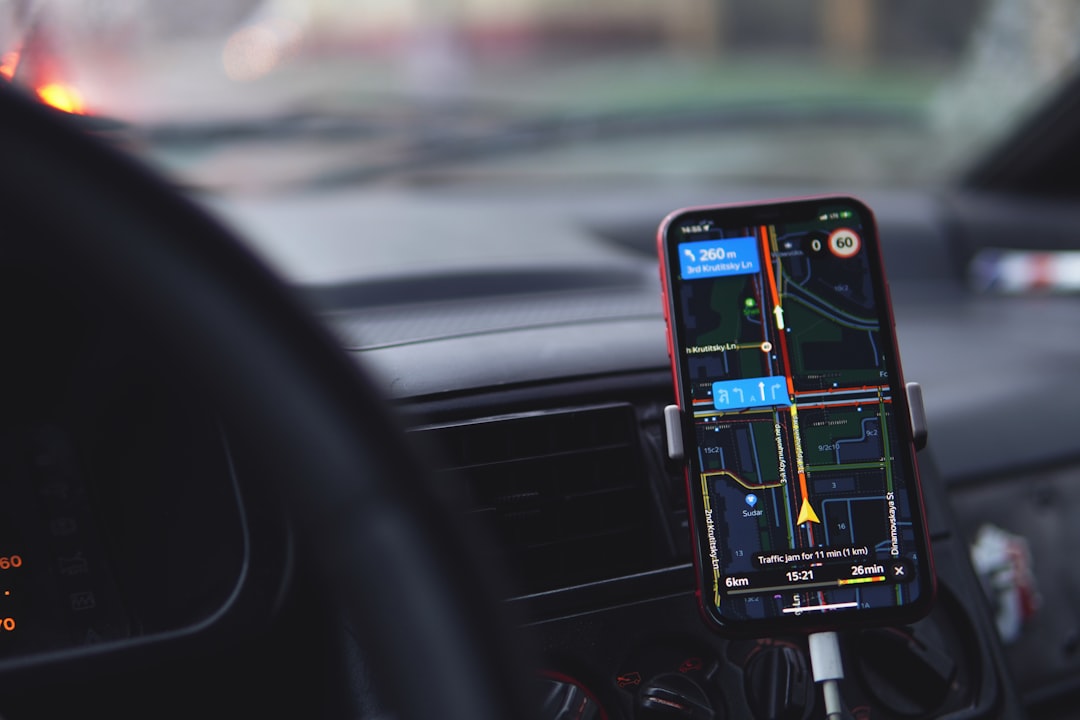
- Navigation: Apps like Google Maps, Apple Maps, Citymapper, and local transit tools help with walking routes, metro connections, buses, and trains.
- Translation: Even basic French phrases are appreciated, but translation apps can help with signs, menus, pharmacy items, and conversations.
- Transport bookings: Travelers often use mobile data to manage SNCF train tickets, metro passes, ride shares, airport transfers, and bike rentals.
- Restaurant planning: Checking opening hours, making reservations, reading reviews, and finding nearby cafés becomes much easier.
- Security and emergencies: A connected phone helps tourists contact accommodation hosts, call for help, locate embassies, or share live locations.
- Digital tickets: Many museums, tours, concerts, and attractions now rely on QR codes or online confirmations.
In a country packed with famous landmarks, smaller villages, regional trains, and seasonal events, having mobile data allows tourists to move with confidence.
Image not found in postmetaCoverage Across France: What to Expect
France has strong mobile network coverage in most cities, towns, transport corridors, and popular tourist regions. In Paris, Lyon, Marseille, Toulouse, Bordeaux, Lille, Nantes, and Nice, tourists can generally expect fast and dependable data connections. Major train stations, airports, and tourist attractions are also well served.
In rural areas, the experience can vary. Travelers exploring the Alps, the Pyrenees, remote parts of Brittany, Corsica, or small villages in central France may notice weaker coverage in certain spots. However, this is not unusual in mountainous or lightly populated regions. Downloading offline maps in advance is still a smart backup, especially if you are driving or hiking.
For many visitors, a combination works best: use mobile data for real-time information, but keep key addresses, tickets, and maps saved offline. That way, even if reception drops temporarily, the trip continues smoothly.
How Much Data Do Tourists Need?
The answer depends on habits. A traveler who mainly uses maps, messaging, and occasional browsing may need far less than someone uploading videos daily or working remotely. As a rough guide, light users might manage with a few gigabytes for a short trip, while moderate users may prefer 10 GB or more for one to two weeks.
Activities that use more data include video calls, streaming music or films, cloud photo backups, and frequent social media uploads. Navigation and messaging usually use much less data, although maps can become data-heavy if used constantly without offline downloads.
For most tourists, it is better to choose a plan with a little extra data rather than constantly worry about running out. The peace of mind is often worth it, particularly on a busy itinerary.
Mobile Data and the French Travel Experience
One of the best things about traveling in France is the possibility of discovery: a bakery down a side street, a market in a small town, an unexpected festival, or a scenic viewpoint not mentioned in a guidebook. Mobile data supports this style of travel beautifully. It helps visitors say yes to spontaneous plans because the practical details are easier to manage.
For example, you might be in Avignon and decide to take a last-minute train to Arles. With mobile data, you can check departures, buy tickets, confirm the platform, and look up what to see on arrival. In Paris, you can avoid a crowded restaurant area and search for a quieter neighborhood bistro. On the French Riviera, you can compare train and bus routes between Nice, Antibes, Cannes, and Monaco in real time.
This is why mobile data feels less like a technical add-on and more like a travel upgrade. It reduces friction. It gives tourists options. It makes unfamiliar places feel more manageable without taking away the joy of exploration.
Roaming Versus Local Options
Some tourists prefer international roaming because it is simple: keep your existing phone number and switch on the travel plan. This can be a good choice for short trips, business travelers, or anyone who values convenience over cost. However, roaming fees can vary dramatically. Some plans include generous European data, while others charge daily fees or impose strict limits.
Local prepaid SIMs and eSIMs are often more cost-effective, especially for travelers staying longer than a few days. They may offer larger data allowances at better prices. The trade-off is that travelers need to check compatibility, activation steps, and whether phone calls or SMS are included.
Before choosing, tourists should ask:
- Is my phone unlocked and compatible with eSIM or French networks?
- How long will I be in France?
- Will I also travel to other European countries?
- Do I need calls and texts, or is data enough?
- How much data do I realistically use each day?
Public Wi-Fi: Helpful but Not Enough
France offers public Wi-Fi in many places, including hotels, cafés, airports, libraries, shopping centers, and some public spaces. It is useful, but relying on it entirely can be inconvenient. You may need to create accounts, accept terms in French, or reconnect frequently. Speeds can be slow, and networks may be crowded.
There is also a security consideration. Public Wi-Fi can expose personal information if used carelessly, especially when logging into banking, email, or travel accounts. A mobile data connection is often more private and dependable. If you do use public Wi-Fi, avoid sensitive transactions unless you are using proper security tools.

Tips for a Smooth Mobile Data Setup
To avoid surprises, prepare before departure. First, check whether your phone is unlocked. A locked phone may not accept another SIM or eSIM. Next, confirm whether your device supports eSIM if you plan to use one. Not all phones do, and compatibility can vary by model and region.
It is also wise to install essential travel apps before leaving home. Download offline maps for cities and regions you will visit. Save hotel addresses, booking confirmations, train tickets, and emergency contacts. If your mobile data plan requires an app or QR code, keep a screenshot or printed backup.
Once in France, monitor your data usage in your phone settings. Turn off automatic cloud backups, app updates, and video autoplay if you want to conserve data. Use hotel Wi-Fi for heavy downloads, but rely on mobile data when you are out exploring.
The Upgrade That Fits Many Travel Styles
Whether you are a first-time visitor to Paris, a backpacker exploring multiple regions, a family on a summer holiday, or a remote worker staying for a month, mobile data can improve your experience. It is especially valuable for travelers who prefer independence. With data access, you do not need to plan every detail in advance. You can adapt as you go.
It also helps visitors engage more confidently with local life. You can look up cultural etiquette, learn a few French phrases, check whether tipping is expected, or understand how regional transport works. Instead of feeling disconnected, tourists become better equipped to participate in their surroundings.
Final Thoughts
Mobile data in France is no longer just a convenience for tech-savvy travelers. It has become a practical travel upgrade that supports navigation, communication, safety, spontaneity, and peace of mind. As more services move online and tourists seek smoother experiences, reliable connectivity is becoming as important as comfortable shoes or a good itinerary.
The best option may be an eSIM, a prepaid SIM, roaming, or a pocket Wi-Fi device, depending on your needs. What matters most is deciding before you find yourself lost outside a train station with no signal and a reservation starting in ten minutes. With the right mobile data plan, France becomes easier to explore, from grand boulevards and world-class museums to quiet villages, coastal roads, and countryside markets. For many modern tourists, that connection is the upgrade that makes the whole journey feel effortless.