AI art generation has become a core part of digital creativity, helping artists, marketers, game designers, and content creators produce imaginative visuals from simple text prompts. While NightCafe remains a popular option for artistic image generation, several other platforms offer impressive features, distinctive styles, and flexible workflows for users who want broader creative control.
TLDR: Several AI design platforms provide powerful alternatives to NightCafe for generating artistic images. Midjourney, DALL E 3, Leonardo AI, Adobe Firefly, and Playground AI each offer different strengths, from highly stylized fantasy art to commercially safe creative workflows. The best choice depends on whether a user values realism, prompt accuracy, customization, speed, or professional design integration.
Why Artists Look for NightCafe Alternatives
NightCafe is known for its accessible interface, community features, and wide range of artistic styles. It allows users to create images through prompts, apply different models, and experiment with imaginative visuals without needing advanced design knowledge. However, as AI art tools continue to advance, many creators compare platforms to find better rendering quality, more control, improved licensing terms, or stronger editing features.
Some platforms focus on highly artistic expression, while others emphasize commercial reliability, brand friendly output, or professional editing workflows. For creators producing concept art, social media visuals, product scenes, book covers, gaming assets, or marketing images, choosing the right AI design platform can significantly influence the final result.
1. Midjourney
Midjourney is often considered one of the strongest alternatives to NightCafe for users who want highly artistic, cinematic, and visually striking results. It is widely recognized for its ability to create rich compositions, dramatic lighting, and painterly textures that resemble professional concept art.
Midjourney is especially popular among fantasy artists, illustrators, world builders, and designers who need a strong visual mood. Its outputs often have a polished, gallery quality appearance, even when the prompts are relatively simple. The platform is particularly effective for images involving characters, landscapes, futuristic cities, mythical creatures, fashion concepts, and surreal scenes.
Key strengths of Midjourney include:
- Exceptional visual style: It produces images with strong atmosphere, depth, and artistic detail.
- Strong prompt interpretation: It can translate descriptive concepts into compelling compositions.
- Community inspiration: Users can observe how others structure prompts and refine their own creative direction.
- Consistent artistic quality: It is often praised for beautiful lighting, texture, and composition.
However, Midjourney may not be the ideal choice for every workflow. Its interface has historically relied on community style interaction, which may feel less traditional than browser based design tools. It also requires experimentation to achieve precise control over details. Still, for pure artistic image generation, it remains one of the most impressive platforms available.
2. DALL E 3
DALL E 3 is a powerful AI image generation system known for its strong understanding of natural language prompts. Compared with many image generators, it tends to handle complex instructions, specific object relationships, and clear visual descriptions very well. This makes it a strong choice for users who want a platform that follows prompt details closely.
For artists and content creators, DALL E 3 can be useful when a visual idea needs to match a written concept with accuracy. It can generate illustrations, editorial style images, product concepts, educational graphics, and imaginative artwork. It is also effective for users who prefer describing a scene in normal language instead of learning technical prompt formulas.
Key strengths of DALL E 3 include:
- Excellent prompt comprehension: It often understands detailed scene descriptions better than many competitors.
- Accessible creative process: It supports a conversational style of image creation and refinement.
- Versatile output: It can generate illustrations, concept art, stylized scenes, and realistic compositions.
- Useful for storytelling: It is well suited for narrative driven images and visual explanations.
DALL E 3 may sometimes feel less stylized than Midjourney when the goal is dramatic fantasy art or highly polished cinematic visuals. However, it excels when the creator needs accuracy, clarity, and direct alignment with the written prompt. For users looking for a NightCafe alternative with strong language understanding, it is one of the most practical options.
3. Leonardo AI
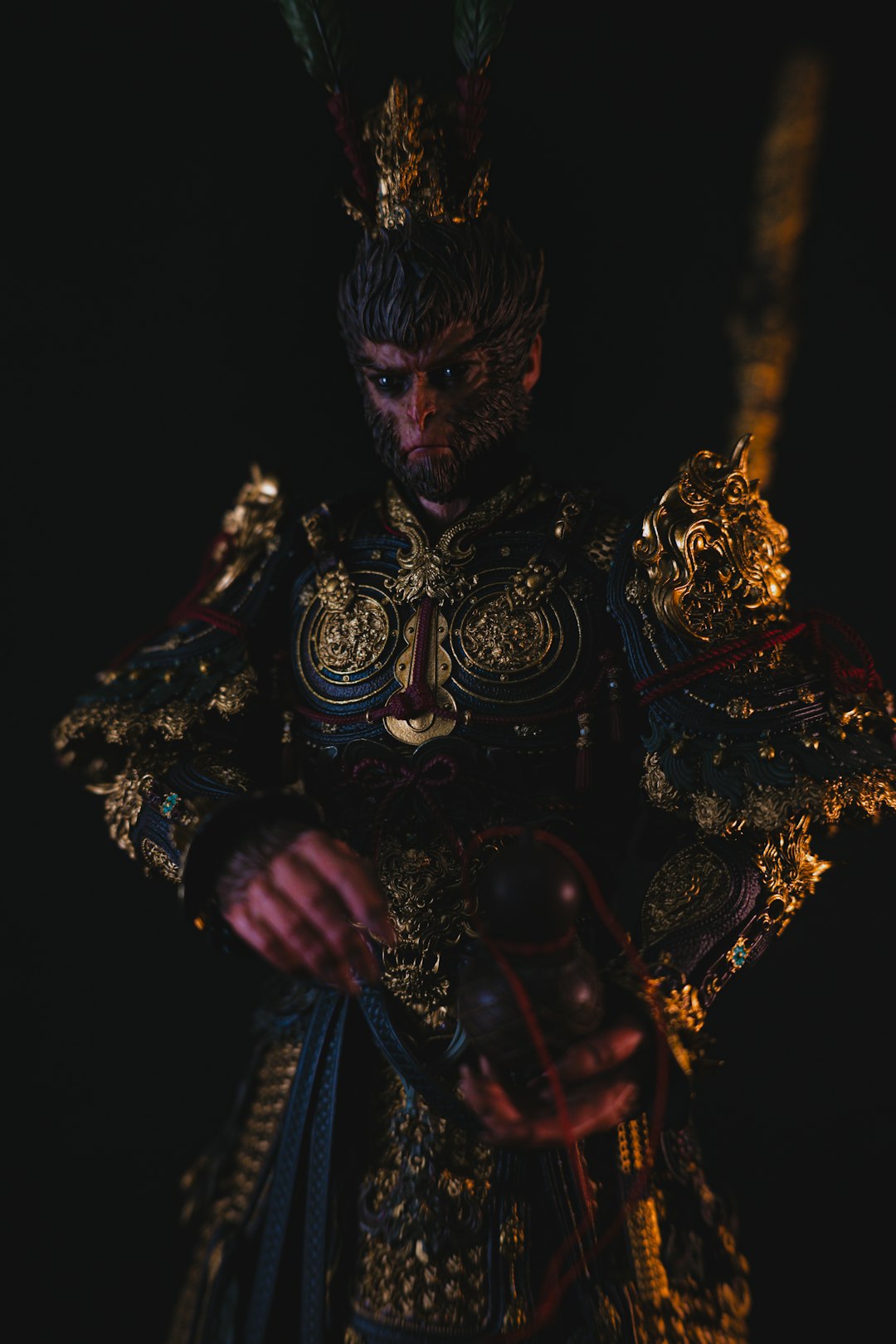
Leonardo AI has gained attention as a feature rich platform for artists, game designers, and creative professionals. It offers a wide selection of models and tools designed for generating artistic images, game assets, characters, environments, textures, and design concepts. Compared with simpler generators, Leonardo AI gives users more control over creative direction.
One of Leonardo AI’s biggest advantages is its usefulness for production oriented workflows. It is not only a place to create one off images; it can help users build visual consistency across multiple assets. This is valuable for game development, story projects, world building, and branded creative systems.
Key strengths of Leonardo AI include:
- Model variety: Users can choose from different models suited to illustration, realism, fantasy, anime, and design work.
- Asset creation: It is particularly useful for characters, props, environments, and visual development.
- Creative controls: Features such as image guidance and style options help refine output.
- Workflow flexibility: It supports both experimentation and more structured creative production.
Leonardo AI is a strong option for users who need more than a simple prompt to image tool. It suits creators who want to test styles, develop reusable assets, and build a coherent visual universe. Although new users may need time to understand all available settings, the platform rewards experimentation with impressive results.
4. Adobe Firefly
Adobe Firefly is designed for creators who want AI image generation that fits easily into professional design workflows. It is especially appealing to designers, marketers, and creative teams already familiar with Adobe products. Firefly focuses on generating visuals, text effects, design elements, and editable creative assets with attention to commercial usability.
Unlike platforms that primarily emphasize experimental art, Adobe Firefly is positioned as a practical tool for real world creative production. It can generate images and support design tasks such as background creation, visual exploration, and content variations. Its connection to Adobe’s broader ecosystem makes it useful for users who need to move from AI generation into editing, layout, and final production.
Key strengths of Adobe Firefly include:
- Professional integration: It works well for users who plan to continue editing images in design software.
- Commercial focus: It is built with attention to safer use in professional and business environments.
- Design friendly features: It supports creative tasks beyond simple image generation.
- Accessible interface: It is easy for designers and non technical users to understand.
Adobe Firefly may not always produce the most dramatic fantasy or surreal art compared with platforms like Midjourney, but it performs well when reliability, usability, and design integration matter. For marketing visuals, brand campaigns, creative mockups, and professional graphics, it is a strong NightCafe alternative.
5. Playground AI
Playground AI is another notable platform for artistic image generation, offering a flexible space for creating, editing, and experimenting with AI visuals. It is designed to be approachable while still giving users enough creative control to refine and improve images. Its interface makes it easy to test different prompts, styles, and compositions quickly.
Playground AI is useful for creators who want a balance between accessibility and customization. It supports a range of visual styles, including digital art, portraits, fantasy scenes, product images, and social media graphics. The platform can also help with image editing tasks, allowing users to adjust or build upon existing visuals rather than always starting from scratch.
Key strengths of Playground AI include:
- User friendly creation: Its interface is approachable for beginners and casual creators.
- Editing capabilities: Users can modify images and explore variations with relative ease.
- Fast experimentation: It is well suited for testing many concepts in a short time.
- Broad style support: It can handle artistic, realistic, and design oriented prompts.
Playground AI may not always match the cinematic finish of Midjourney or the enterprise design ecosystem of Adobe Firefly, but it offers a practical mix of creativity and convenience. It is a good option for users who want a more casual yet capable alternative to NightCafe.
How These Platforms Compare
Each AI design platform has a different creative personality. Midjourney is ideal for visually dramatic artwork and high impact fantasy or cinematic scenes. DALL E 3 is best for users who need accurate prompt following and clear visual storytelling. Leonardo AI works well for asset creation, game concepts, and style experimentation. Adobe Firefly is suited to professional design and commercial creative workflows. Playground AI offers accessible experimentation with useful editing features.
For artists focused on pure visual beauty, Midjourney or Leonardo AI may be the strongest choices. For creators who need careful instruction following, DALL E 3 can be more dependable. For professional teams, Adobe Firefly may offer the most practical route from AI generation to finished design. For beginners or fast content creators, Playground AI delivers an easy and flexible experience.
What to Consider Before Choosing a Platform
Before selecting an AI art tool, creators should consider the type of images they need and how those images will be used. An illustrator creating fantasy landscapes may have different priorities from a marketer producing campaign visuals or a game designer building character concepts.
Important factors include:
- Image style: Some tools produce painterly, cinematic images, while others favor clean commercial graphics.
- Prompt accuracy: A platform should understand the level of detail required by the creator.
- Editing tools: Built in editing can save time when refining images.
- Licensing terms: Users should review usage rights, especially for commercial projects.
- Ease of use: A simpler interface may be better for beginners, while advanced controls may benefit professionals.
- Consistency: Projects involving multiple images may require tools that can maintain style or character continuity.
AI design platforms continue to improve quickly, and the best choice may change as new models, features, and licensing policies emerge. For many users, the most effective approach is to test several tools and compare results using the same prompts. This helps reveal which platform best fits a particular artistic style, production need, or creative workflow.
Conclusion
NightCafe remains a respected platform for AI generated art, but it is far from the only option. Midjourney, DALL E 3, Leonardo AI, Adobe Firefly, and Playground AI each bring unique strengths to artistic image generation. Some prioritize beauty and atmosphere, others focus on prompt accuracy, professional design use, or flexible editing.
For creators exploring AI assisted art, these platforms provide a wide creative landscape. The strongest choice depends on the desired balance of style, control, usability, and practical application. As AI image generation becomes more refined, artists and creative teams will likely use multiple platforms together, choosing the right tool for each stage of the creative process.
FAQ
- 1. What is the best NightCafe alternative for highly artistic images?
-
Midjourney is often considered one of the best choices for highly artistic, cinematic, and visually striking images. It is especially strong for fantasy, concept art, surreal scenes, and dramatic compositions.
- 2. Which AI platform is best for accurate prompt following?
-
DALL E 3 is known for strong prompt comprehension. It is useful when the final image needs to closely follow a detailed written description.
- 3. Which platform is best for game assets and character concepts?
-
Leonardo AI is a strong option for game designers and concept artists because it supports character creation, environments, props, and style experimentation.
- 4. Is Adobe Firefly good for commercial design work?
-
Adobe Firefly is designed with professional creative workflows in mind. It is useful for marketers, designers, and teams that need AI generated visuals integrated into broader design projects.
- 5. Is Playground AI suitable for beginners?
-
Yes. Playground AI offers an approachable interface, fast experimentation, and useful editing features, making it suitable for beginners as well as casual creators.
- 6. Should creators use more than one AI image platform?
-
Many creators benefit from using multiple platforms. One tool may be better for concept exploration, another for polished artwork, and another for professional editing or commercial production.