
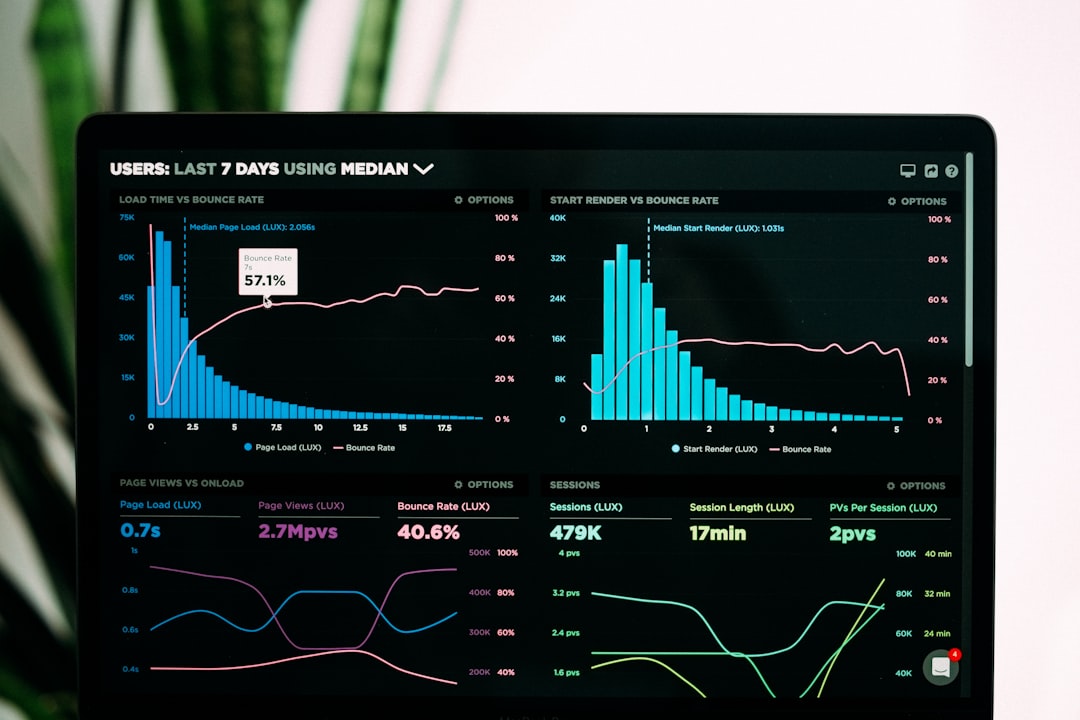
Digital marketing is undergoing a structural transformation. Traditional search engine optimization (SEO) is no longer the only visibility strategy brands must master. The rapid adoption of large language models (LLMs) in search, content discovery, and conversational interfaces has introduced a parallel discipline often referred to as LLMO (Large Language Model Optimization). While SEO and LLMO share foundational principles, they operate differently in practice. Understanding these differences is now essential for marketers who want sustainable digital visibility.
TLDR: SEO focuses on ranking web pages in search engines using keywords, backlinks, and technical optimization. LLMO focuses on making content understandable, trustworthy, and retrievable by AI models that generate responses instead of linking to pages. While SEO relies heavily on rankings and traffic metrics, LLMO prioritizes semantic clarity, structured information, and authority signals that language models can interpret. Modern marketers should not choose between them—they must integrate both.
What Is SEO?
Search Engine Optimization (SEO) is the practice of improving a website’s visibility in traditional search engines like Google and Bing. The goal is to rank higher on search engine results pages (SERPs) for relevant keywords, thereby increasing organic traffic.
SEO operates through three primary pillars:
- On-page SEO – optimizing content, keywords, headings, and metadata.
- Technical SEO – improving site speed, crawlability, indexing, and structured data.
- Off-page SEO – acquiring backlinks and building domain authority.
The core mechanism behind SEO is ranking. Content competes against other pages to earn a position based on algorithms that evaluate relevance, authority, and user experience signals.
In SEO, marketers measure success by:
- Keyword rankings
- Organic traffic growth
- Click-through rate (CTR)
- Backlink acquisition
- Conversions from organic sources
SEO has matured over two decades and remains foundational. However, it is fundamentally built around link-based discovery and search result listings.
What Is LLMO?
Large Language Model Optimization (LLMO) is the practice of making content easily interpretable, extractable, and reference-worthy for AI systems such as ChatGPT, Gemini, Claude, and other AI-powered assistants.
Unlike traditional search engines, LLMs do not simply list ranked pages. They generate synthesized responses based on trained knowledge, retrieval layers, structured data, and contextual relevance. This changes the visibility game dramatically.
In LLMO, the objective is not just ranking—it is inclusion in AI-generated answers.
LLMO emphasizes:
- Clear semantic structure
- Authoritative and factual content
- Consistent topical positioning
- Structured formatting (headings, lists, definitions)
- Entity clarity and contextual depth
Instead of competing for position #1 on a page, brands compete to become a trusted source referenced within an AI response.
Core Functional Differences
1. Ranking vs. Referencing
SEO is designed for ranking pages. LLMO is designed for referencing information.
Search engines show users a list of links. LLMs provide synthesized answers and may include brand mentions, citations, or integrated summaries. Being ranked #1 in Google does not guarantee being referenced in an AI-generated answer.
2. Keywords vs. Semantic Context
SEO still relies heavily on keywords. While semantic search has evolved, keyword targeting remains integral.
LLMO prioritizes semantic clarity. AI models interpret:
- Topic relationships
- Entity connections
- Clear definitions
- Contextual depth
Overuse of isolated keywords is less important than structured, logically organized information that directly answers questions.
3. Clicks vs. Comprehension
SEO is optimized for clicks. Titles and meta descriptions are crafted to attract user interaction.
LLMO is optimized for comprehension. AI models must easily extract and summarize:
- Key arguments
- Step-by-step processes
- Data points
- Expert positions
If your content is difficult to parse or diluted with fluff, it becomes less usable for language models.

Technical Structure: A Major Point of Divergence
SEO depends heavily on technical infrastructure:
- XML sitemaps
- Robots directives
- Site speed optimization
- Mobile-first indexing
- Core Web Vitals
While these still matter for general discoverability, LLMO depends more on content structure and clarity.
For example:
- Clear H1, H2, and H3 hierarchy improves semantic interpretation.
- Bullet points increase extractability.
- Concise definitions improve summarization accuracy.
- Strong factual claims with supporting logic improve citation potential.
Unlike search engine crawlers, LLM systems prioritize clean logical structure over navigational architecture.
Authority Signals: Backlinks vs. Credibility
In SEO, backlinks function as votes of confidence. Authority is quantifiable through domain rating metrics and link profiles.
In LLMO, authority is more nuanced. AI systems evaluate:
- Consistency of expertise
- Alignment with known consensus
- Repetition of brand or entity in trusted contexts
- Clarity and reliability of information
Backlinks still contribute indirectly because authoritative sources influence training data and retrieval systems. However, pure link quantity is less determinative than overall credibility and factual reliability.
User Intent Handling
SEO focuses heavily on keyword intent categories:
- Informational
- Navigational
- Transactional
- Commercial
LLMO shifts the attention toward conversational intent. AI interactions are often multi-turn, meaning the model refines responses as context evolves.
This requires content that:
- Answers primary questions clearly
- Anticipates follow-up questions
- Provides layered depth
- Defines terminology explicitly
Content designed solely to capture a transactional click may not perform well in AI-assisted environments where users seek synthesized explanations first.
Measurement Differences
SEO performance can be tracked precisely through:
- Position tracking tools
- Google Search Console data
- Traffic analytics dashboards
LLMO remains harder to measure. Marketers must monitor:
- Brand mentions in AI responses
- Referral traffic from AI interfaces
- Direct traffic increases
- Branded search query growth
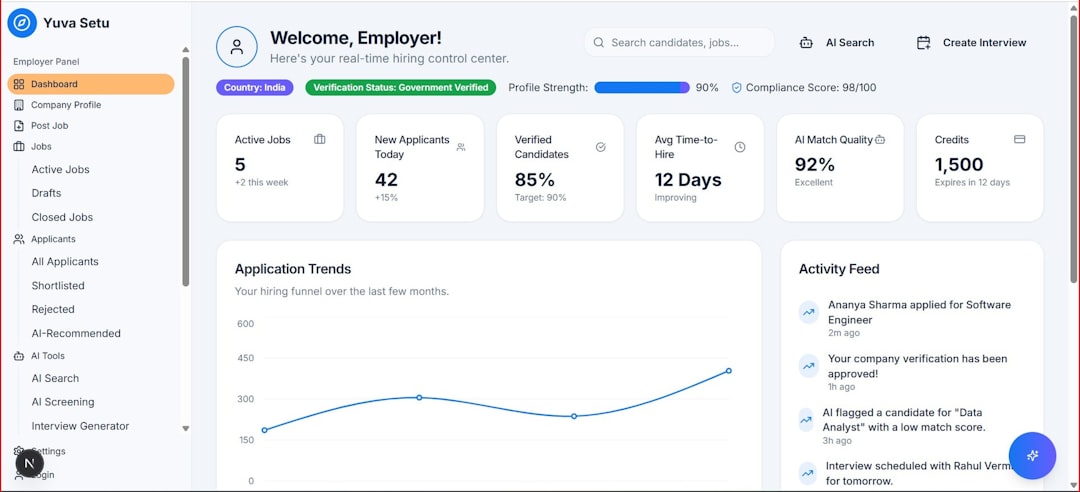
The absence of standardized analytics for LLM visibility makes strategic experimentation essential. Early adopters who track AI-driven impressions develop competitive insight before measurement tools mature.
Content Style: Optimization vs. Clarity
SEO-era content sometimes prioritized algorithmic optimization over readability. This led to:
- Keyword stuffing
- Overly long introductions
- Artificial internal linking structures
LLMO penalizes ambiguity and redundancy. AI systems thrive on:
- Precision
- Logical progression
- Structured explanations
- Transparent claims
Content that is factually dense, clearly segmented, and well organized becomes more reusable by AI systems.
Do Marketers Need to Choose?
The most important strategic insight is this: LLMO does not replace SEO.
Instead, both disciplines operate simultaneously across modern search ecosystems:
- Traditional search results still drive significant traffic.
- AI-generated summaries increasingly shape user perception.
- Voice assistants rely heavily on structured content.
- Zero-click experiences continue to grow.
Smart marketers integrate both strategies by:
- Maintaining technical SEO foundations.
- Creating semantically structured, high-authority content.
- Building brand expertise across a consistent topical niche.
- Ensuring factual clarity and transparency.
Future Outlook: Convergence, Not Competition
The distinction between SEO and LLMO will likely narrow over time. Search engines increasingly incorporate AI-generated summaries directly into result pages. Meanwhile, AI systems rely on web content for grounding and retrieval.
We are moving toward a unified environment where:
- Ranking influences model retrieval.
- Structured data improves AI comprehension.
- Authority signals affect both algorithms and LLM outputs.
However, marketers who cling exclusively to traditional ranking logic risk invisibility in conversational interfaces. Conversely, abandoning SEO fundamentals undermines baseline discoverability.
Key Takeaways for Marketing Leaders
- SEO is about ranking; LLMO is about being referenced.
- Keywords matter in SEO; semantic clarity matters more in LLMO.
- Backlinks drive authority in SEO; credibility and factual precision drive LLM inclusion.
- Technical infrastructure remains crucial, but content structure is now equally critical.
- Measurement frameworks for AI visibility are still emerging.
Marketing strategy in 2026 demands adaptation. The organizations that respond proactively—by redesigning content workflows, emphasizing structure, and deepening topical expertise—will establish durable visibility across both traditional and AI-driven discovery channels.
SEO built the modern internet economy. LLMO is reshaping how knowledge is surfaced within it. Serious marketers must understand both—because visibility today is no longer just about appearing in search results. It is about being part of the answer.