

Email lifecycle automation has become a core growth engine for SaaS startups. From onboarding sequences and feature education to churn prevention and expansion campaigns, the right platform can significantly influence retention and revenue. While Customer.io is a leading solution in this space, it is not the only viable option for scaling teams that need behavioral targeting, flexible integrations, and advanced automation workflows.
TLDR: SaaS startups that need alternatives to Customer.io have several strong lifecycle automation platforms to consider. Tools like Braze, Iterable, Autopilot (Ortto), Drip, and ActiveCampaign offer robust behavioral targeting, automation workflows, and customer segmentation features. Each platform varies in depth, pricing, and technical complexity, making it crucial to choose based on your product maturity and team capabilities. This guide provides a structured comparison and detailed analysis to help you make a confident, strategic decision.
Below, we explore five email lifecycle automation services similar to Customer.io that are particularly well-suited for SaaS growth teams.
What to Look for in a Customer.io Alternative
Before selecting a lifecycle automation platform, SaaS companies should evaluate several core factors:
- Behavioral Triggering: Can campaigns be triggered by in-app actions, API events, or custom data attributes?
- Segmentation Depth: Does the system support dynamic, real-time audience segmentation?
- Omnichannel Capability: Beyond email, does the platform support push, SMS, and in-app messaging?
- Scalability: Will it support your growth from thousands to millions of users?
- Ease of Implementation: Does it require heavy engineering resources?
1. Braze
Braze is a powerful customer engagement platform often considered an enterprise-grade alternative to Customer.io. While originally known for mobile engagement, it now serves web-first and SaaS businesses equally well.
Key Strengths:
- Advanced real-time event streaming
- Cross-channel messaging including email, push, SMS, and in-app
- Highly granular segmentation
- Robust experimentation and A/B testing tools
Best for: High-growth SaaS companies with dedicated engineering resources and multi-channel engagement strategies.
Braze excels in handling complex lifecycle logic, especially for product-led SaaS companies tracking rich behavioral data. However, it can be cost-prohibitive for early startups and may require technical onboarding.
2. Iterable
Iterable is another enterprise-oriented lifecycle marketing platform offering flexibility and strong cross-channel automation. It is particularly known for its intuitive workflow builder and predictive analytics capabilities.
Core Features:
- Visual campaign orchestration
- AI-driven optimization and predictive insights
- Advanced personalization using catalog data
- Built-in experimentation framework
One major advantage of Iterable is its ability to support complex journey mapping without overwhelming marketing teams. It balances flexibility with usability.
Best for: Mid-sized to enterprise SaaS companies aiming for sophisticated lifecycle orchestration with marketing team ownership.
3. Ortto (formerly Autopilot)
Ortto, previously known as Autopilot, combines customer data platform (CDP) capabilities with marketing automation. It positions itself as a visually intuitive alternative to tools like Customer.io.
Notable Benefits:
- Unified customer data view
- Drag-and-drop journey builder
- Built-in data analytics
- Email, SMS, and in-app messaging support
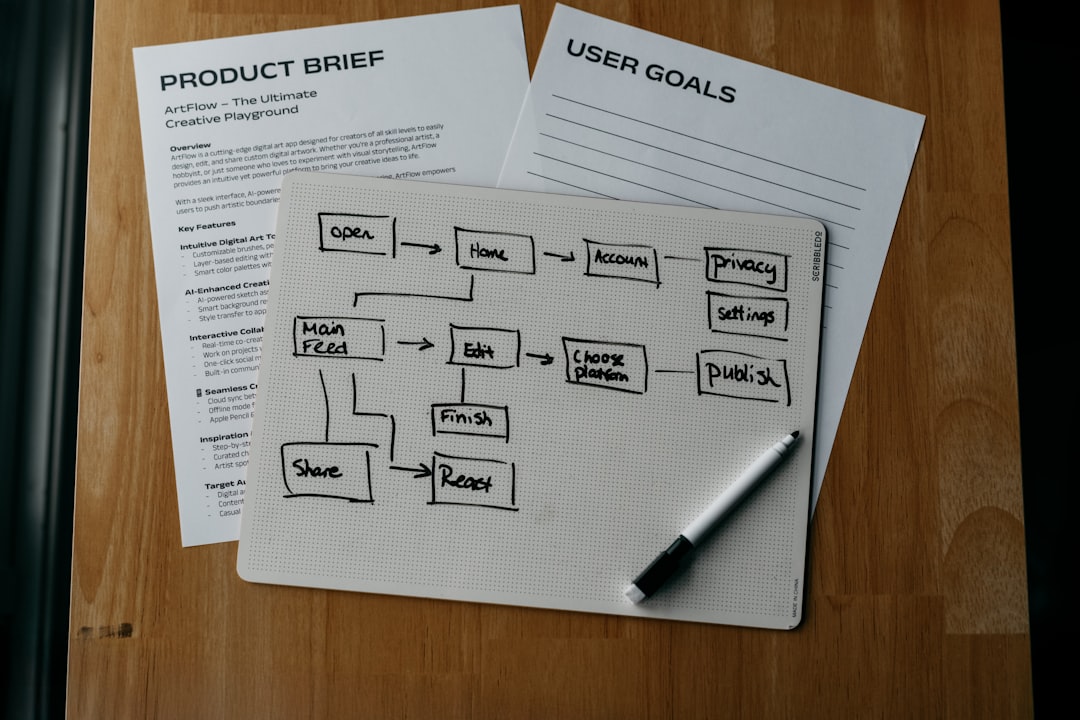
Ortto is particularly attractive to SaaS startups that want analytics and messaging automation under one roof. It reduces reliance on multiple point solutions and simplifies reporting across campaigns.
Best for: Growth-stage SaaS teams seeking visual journey design and integrated customer analytics without heavy engineering dependency.
4. Drip
Drip is traditionally known for eCommerce, but its behavioral automation framework makes it a credible choice for certain SaaS startups—particularly those with subscription or transactional models.
Strength Highlights:
- Behavior-based triggers
- Strong tagging and segmentation system
- Visual workflow builder
- Relatively straightforward implementation
Drip may not match Customer.io in raw API depth, but it offers practical automation tools that are easier to manage for smaller teams.
Best for: Early-stage SaaS startups seeking fast deployment and reliable behavioral automation without enterprise complexity.
5. ActiveCampaign
ActiveCampaign blends CRM functionality with powerful lifecycle automation. It is one of the most cost-effective platforms that still offers sophisticated automation logic.
Key Capabilities:
- Advanced conditional logic workflows
- Built-in CRM integration
- Lead scoring functionality
- Email, SMS, and site messaging
While it may not offer the API-first flexibility of Customer.io, ActiveCampaign compensates through mature automation features and a large integration ecosystem.
Best for: SaaS businesses with sales-assisted models that need marketing and CRM alignment.
Comparison Chart
| Platform | Best For | Technical Complexity | Omnichannel Support | Scalability | Pricing Tier |
|---|---|---|---|---|---|
| Braze | Enterprise SaaS | High | Strong | Very High | Enterprise |
| Iterable | Mid to Enterprise SaaS | Medium to High | Strong | High | Upper Mid |
| Ortto | Growth Stage SaaS | Medium | Moderate to Strong | High | Mid |
| Drip | Early SaaS | Low to Medium | Moderate | Moderate | Mid |
| ActiveCampaign | Sales Assisted SaaS | Low to Medium | Moderate | High | Budget to Mid |
Strategic Considerations for SaaS Startups
Selecting a lifecycle automation tool is not merely about features—it is about strategic alignment with your growth model.
If you operate a product-led growth (PLG) SaaS, robust event tracking and real-time trigger capabilities should be your priority. In such cases, platforms like Braze or Iterable may justify their higher price due to their depth and scalability.
If your SaaS relies on sales-assisted onboarding, ActiveCampaign’s CRM integration or Ortto’s unified data approach may provide stronger alignment with revenue teams.

For early-stage startups, operational simplicity is often more valuable than feature abundance. A simpler interface reduces implementation time and minimizes reliance on engineering support, allowing faster experimentation.
Migration Planning: What to Expect
If you are transitioning from Customer.io or evaluating parallel testing, consider:
- Data export and event mapping complexity
- Email template migration
- Workflow recreation requirements
- API compatibility
- Deliverability reputation transfer
A structured migration plan prevents performance gaps during the transition period. Larger SaaS companies often run platforms in parallel temporarily to validate segmentation accuracy and deliverability stability before fully switching.
Final Thoughts
Email lifecycle automation remains foundational for sustainable SaaS growth. While Customer.io is a respected solution, alternatives such as Braze, Iterable, Ortto, Drip, and ActiveCampaign offer compelling value depending on your company’s size, technical capacity, and customer engagement strategy.
The right platform should align not only with your immediate automation needs but also with your long-term product growth trajectory. Carefully assess your behavioral data infrastructure, internal expertise, and revenue model before committing. In lifecycle marketing, execution quality matters more than tool popularity.
When chosen strategically, the right automation service becomes more than a messaging engine—it becomes a central pillar of retention, expansion, and scalable SaaS growth.