

Website analytics has become the backbone of modern digital strategy. Whether you run a personal blog, an ecommerce store, or a SaaS platform, understanding how visitors interact with your website is critical for growth. While Google Analytics has long dominated the market, concerns around privacy, data ownership, complexity, and compliance have led many businesses to explore alternative tools. Fortunately, the analytics landscape has evolved dramatically, offering a wide range of powerful solutions tailored to different needs.
TLDR: Google Analytics is powerful but not always the best fit for every website. Privacy concerns, usability issues, and compliance requirements have fueled the rise of simpler, privacy-first, and more flexible analytics tools. Options like Plausible, Matomo, Fathom, and Clicky offer compelling alternatives depending on your goals and budget. Choosing the right one depends on whether you prioritize data ownership, ease of use, advanced insights, or regulatory compliance.
Why Look Beyond Google Analytics?
Before diving into the alternatives, it’s important to understand why so many site owners are making the switch. While Google Analytics 4 (GA4) offers deep insights and powerful machine learning capabilities, it also comes with a learning curve and compliance complexities.
- Privacy concerns: Growing data regulations such as GDPR and CCPA have raised questions about sending visitor data to third-party providers.
- Complex interface: GA4’s event-based model can be intimidating for non-technical users.
- Data sampling: Large datasets sometimes lead to sampled reports.
- Performance impact: Heavier scripts can affect page speed.
These challenges have opened the door to leaner, privacy-focused, and more user-friendly competitors.
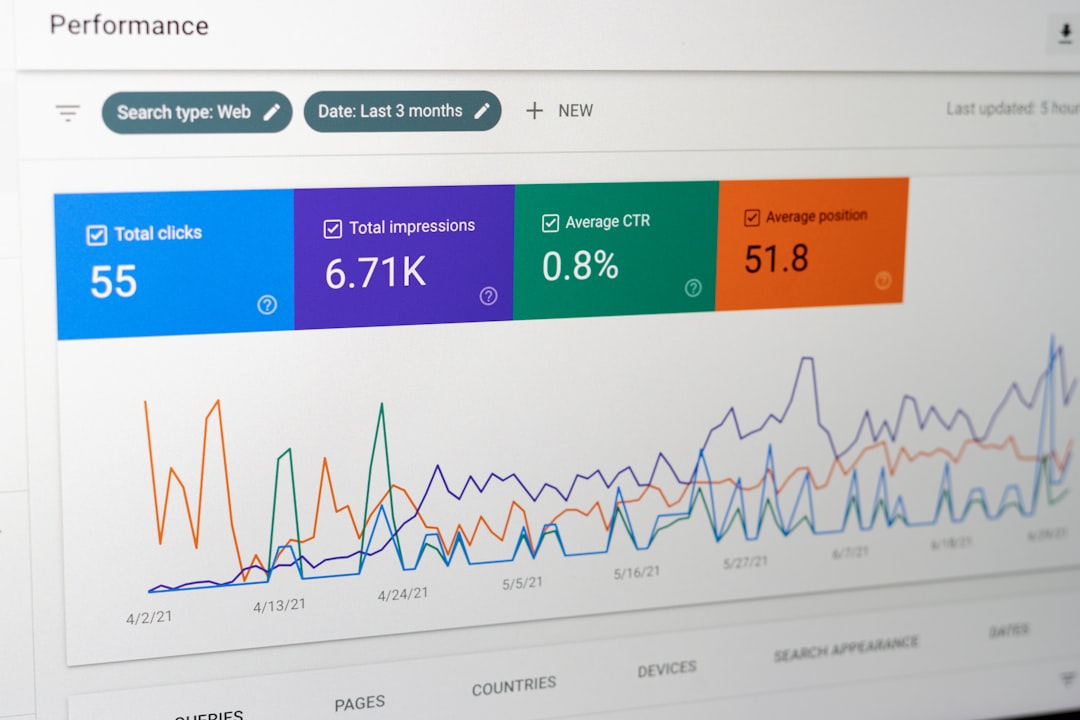
Top Google Analytics Alternatives
1. Plausible Analytics
Plausible is a lightweight, open-source, privacy-friendly analytics platform designed for simplicity. It avoids cookies entirely and complies with GDPR, CCPA, and PECR out of the box.
- Best for: Bloggers, startups, and privacy-conscious businesses
- Key benefit: Minimal and intuitive dashboard
- Hosting: Cloud or self-hosted
Plausible focuses on essential metrics like page views, referral sources, bounce rate, and top pages — without overwhelming users with excessive data points.
2. Matomo
Matomo (formerly Piwik) is one of the most robust Google Analytics alternatives available. It offers both cloud-hosted and self-hosted versions, giving businesses full control over their data.
- Best for: Enterprises and organizations requiring data ownership
- Key benefit: 100% data control
- Features: Heatmaps, session recordings, ecommerce tracking, A/B testing
Unlike lightweight tools, Matomo rivals Google Analytics in depth, making it ideal for companies that want granular insights without relying on Google’s ecosystem.
3. Fathom Analytics
Fathom is built around simplicity and privacy. It eliminates cookie banners in many cases because it collects minimal personal data while still offering meaningful business insights.
- Best for: Small to mid-sized businesses
- Key benefit: Clean, readable reports
- Performance: Extremely lightweight tracking script
Fathom emphasizes clarity over complexity. Instead of endless configuration, users get immediate access to actionable statistics.
4. Clicky
Clicky has been around for years and offers real-time analytics in a simple yet informative interface. It provides individual visitor tracking and heatmaps.
- Best for: Real-time monitoring
- Key benefit: Live visitor tracking
- Unique feature: Spy view for individual sessions
Clicky strikes a middle ground between advanced analytics and user accessibility.
5. Simple Analytics
Simple Analytics lives up to its name. It avoids personal data tracking entirely and focuses purely on aggregated information.
- Best for: Privacy-focused businesses
- Key benefit: No personal data collection
- Compliance: Designed with GDPR in mind
For organizations wanting insight without regulatory headaches, this tool is particularly attractive.
Comparison Chart
| Tool | Privacy Focus | Ease of Use | Advanced Features | Hosting Option | Best For |
|---|---|---|---|---|---|
| Plausible | High | Very Easy | Moderate | Cloud & Self | Startups & Bloggers |
| Matomo | High | Moderate | Extensive | Cloud & Self | Enterprises |
| Fathom | High | Very Easy | Basic | Cloud | Small Businesses |
| Clicky | Moderate | Easy | Moderate | Cloud | Real-Time Tracking |
| Simple Analytics | Very High | Very Easy | Basic | Cloud | Privacy-First Sites |
Privacy-First Analytics: The Growing Trend
One of the strongest forces driving change in website analytics is user privacy. Regulations like GDPR in Europe and evolving US state laws are reshaping how websites collect and store user data.
Modern analytics tools increasingly embrace:
- Cookieless tracking
- Anonymous data collection
- Local data storage options
- Transparent data policies
This shift benefits not only users but businesses as well. Companies can reduce legal complexity and build visitor trust by adopting privacy-first solutions.

Key Factors to Consider When Choosing an Alternative
Switching analytics platforms is not just about features — it’s about alignment with your strategic goals. Before making a decision, consider the following:
1. Data Ownership
If owning and controlling your analytics data is crucial, choose a self-hosted option like Matomo or Plausible.
2. Technical Complexity
Some tools require server configuration or ongoing maintenance. Make sure your team has the technical capability if choosing a self-hosted solution.
3. Reporting Depth
If you rely heavily on conversion funnels, segmentation, or ecommerce tracking, you may need a more advanced platform.
4. Performance Impact
Lighter tracking scripts can significantly improve page load times, benefiting SEO and user experience.
5. Budget
While Google Analytics is free, many alternatives operate on subscription models. However, the clarity, compliance benefits, and time savings may justify the investment.
The Rise of Minimalist Dashboards
A notable trend among alternatives is the move toward minimalist reporting. Rather than overwhelming users with charts and dimensions, newer tools highlight only essential metrics:
- Visitors
- Page views
- Referral sources
- Top pages
- Device types
This streamlined approach reduces analysis paralysis and allows business owners to focus on actionable results.
When Google Analytics May Still Be the Best Choice
Despite its complexity, Google Analytics remains incredibly powerful. Large enterprises deeply integrated into Google Ads, Search Console, and BigQuery ecosystems may benefit from sticking with GA4.
Its strengths include:
- Advanced attribution modeling
- AI-powered predictive insights
- Seamless Google Ads integration
- Extensive customization
For heavily data-driven marketing teams, the trade-off may still be worthwhile.
Final Thoughts
The world of website analytics is no longer dominated by a single solution. Businesses now have access to a diverse ecosystem of tools that prioritize privacy, usability, and independence. Whether you need enterprise-level reporting through Matomo, the elegant simplicity of Fathom, or the privacy-first philosophy of Plausible or Simple Analytics, there is an option tailored to your needs.
Ultimately, the best Google Analytics alternative is the one that aligns with your organization’s goals, compliance requirements, and technical capabilities. As digital privacy expectations evolve, adopting a flexible and transparent analytics strategy is no longer optional — it’s a competitive advantage.