
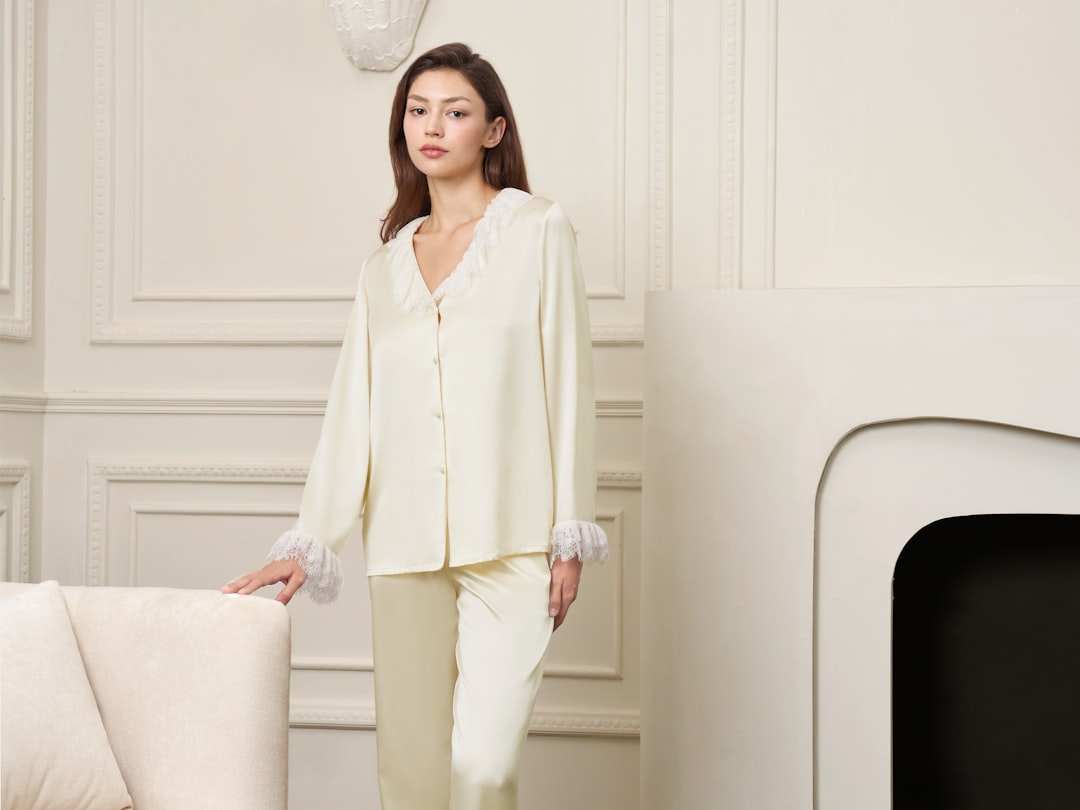
Sleepwear packaging has quietly become one of the most influential elements in the textile and fashion supply chain. Among the various materials used, pyjamaspapper—specialized wrapping paper designed for pajamas and other sleepwear—has emerged as a defining factor in brand identity, product protection, and customer experience. Carefully selected patterns do more than decorate a package; they communicate comfort, quality, and trust before the garment is even unfolded.
TLDR: Pyjamaspapper plays a critical role in shaping how sleepwear brands present and protect their products. The most popular patterns include minimalist neutrals, floral motifs, seasonal prints, eco inspired textures, and custom branded designs. Each pattern type serves a specific marketing purpose while reinforcing comfort and luxury. Choosing the right design strengthens brand perception and enhances the customer unboxing experience.
In a competitive retail and e commerce environment, packaging functions as both a protective layer and a brand ambassador. The patterns printed on pyjamaspapper influence consumer perception, reinforce seasonal messaging, and align with sustainability trends. Below is a comprehensive look at the most popular pattern categories currently shaping sleepwear packaging.
Why Patterns Matter in Sleepwear Packaging
Before examining specific design trends, it is important to understand why patterned pyjamaspapper has become so essential:
- Brand differentiation: Unique designs help brands stand out in crowded retail spaces.
- Emotional connection: Sleepwear is associated with comfort, relaxation, and personal space. Patterns visually reinforce these feelings.
- Unboxing experience: Online shoppers often judge quality based on packaging presentation.
- Seasonal storytelling: Packaging can reflect holidays, winter collections, or summer launches.
- Sustainability messaging: Eco themed prints highlight environmental commitment.
When thoughtfully selected, pattern design becomes a strategic asset rather than a decorative afterthought.
1. Minimalist and Neutral Patterns
Minimalism remains one of the strongest influences in modern packaging. Neutral toned pyjamaspapper communicates sophistication, cleanliness, and premium quality.
Common characteristics include:
- Soft beige, cream, white, and taupe backgrounds
- Subtle line drawings
- Small repeating geometric shapes
- Discrete monochrome brand logos
This style is particularly popular among luxury sleepwear brands and direct to consumer labels targeting minimalist aesthetics.
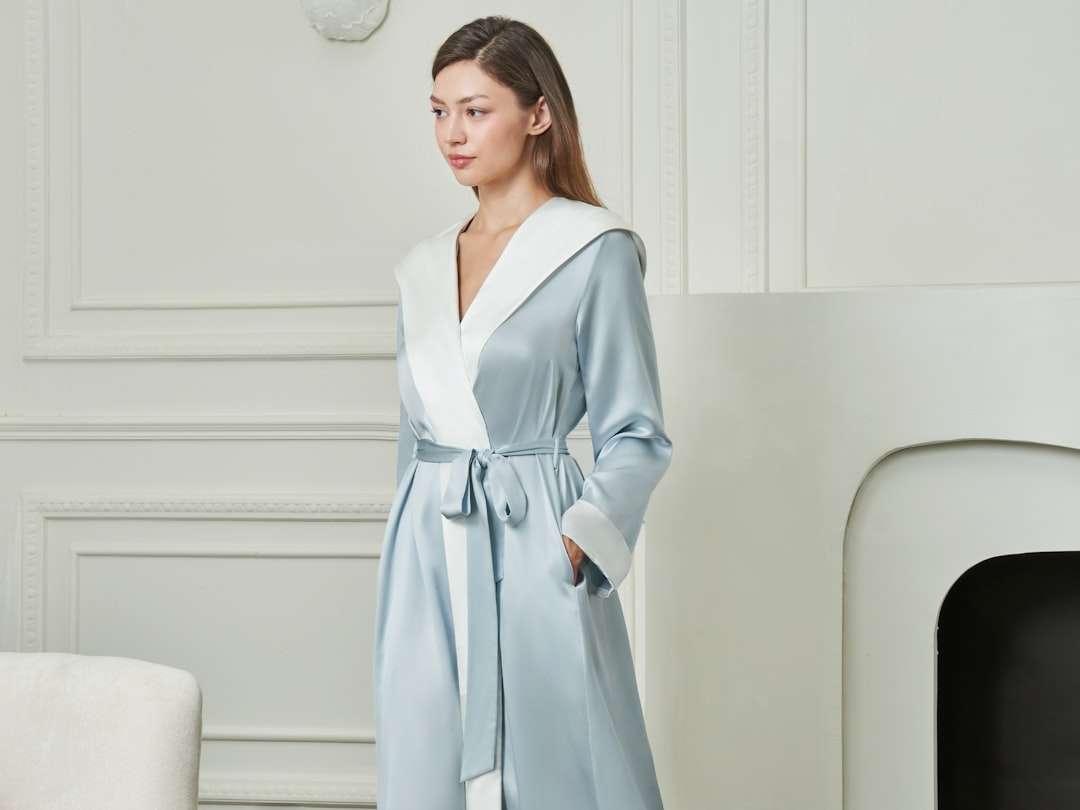
Why it works: Sleepwear is inherently personal and intimate. Understated packaging projects refinement and allows the garment itself to remain the focal point.
2. Floral and Botanical Motifs
Floral patterns are timeless in pajama design and naturally extend into packaging. Botanical themed pyjamaspapper creates visual continuity between product and wrapping.
Most popular floral approaches:
- Delicate watercolor flowers
- Vintage botanical illustrations
- Tropical leaves for summer collections
- Muted pastel florals for spring
These patterns evoke softness and comfort—key qualities consumers expect from sleepwear.
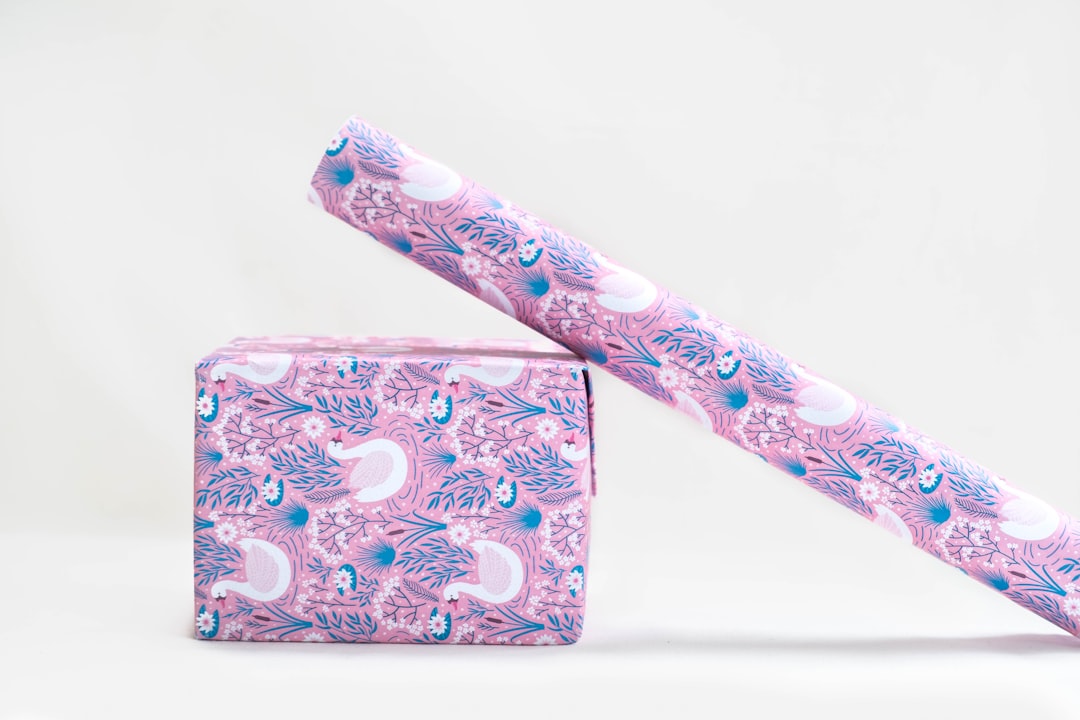
Strategic advantage: Floral prints reinforce femininity in women focused collections while newer gender neutral botanical motifs broaden their appeal.
3. Seasonal and Holiday Prints
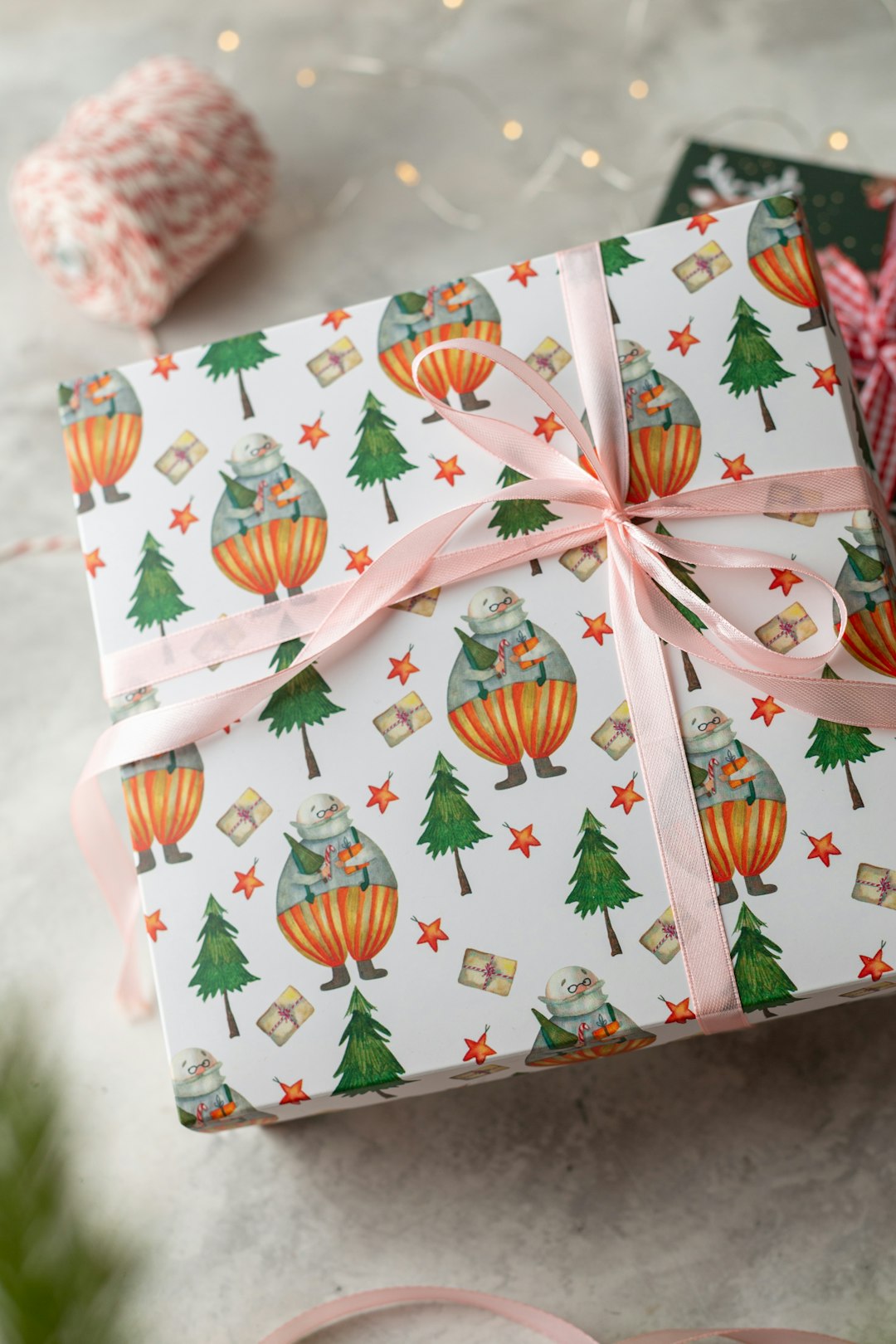
Seasonal packaging drives impulse purchases and gift buying. Winter holiday themed pyjamaspapper is especially effective during peak retail periods.
Typical seasonal designs include:
- Snowflakes and winter landscapes
- Classic tartan patterns
- Festive stars and ornaments
- Soft autumn leaves
In colder months, pajamas become a popular gift category. Coordinated seasonal packaging increases perceived value and gift readiness.
Retail insight: Limited edition prints often generate urgency, encouraging seasonal purchases before designs are discontinued.
4. Playful and Illustrated Patterns
For family, children, and lifestyle brands, playful illustrated pyjamaspapper provides warmth and personality.
Common themes:
- Cartoon style clouds and moons
- Animal characters
- Dream inspired symbolism
- Hand drawn typography
These designs align closely with bedtime narratives, reinforcing comfort and imagination—particularly in children’s collections.
Market relevance: Parents often respond positively to cohesive bedtime themed branding, which extends from garment prints to outer packaging.
5. Eco Inspired and Natural Textures
Sustainability is not merely a trend but an industry standard. Eco conscious pyjamaspapper often incorporates nature inspired patterns or textures that visually communicate environmental responsibility.
Examples include:
- Recycled paper fibers visible in texture
- Leaf or branch line art
- Earth tone palettes
- Water based ink printing
Some brands intentionally choose understated patterns printed on unbleached paper to signal reduced chemical processing.
Consumer perception: Environmentally responsible packaging enhances trust and strengthens brand reputation, particularly among younger demographics.
6. Custom Branded Monogram Patterns
Luxury labels often use repeating logo patterns or monograms to build brand recall. This approach transforms pyjamaspapper into a recognizable signature element.
Key features:
- Repeating logos in subtle tones
- Embossed or foil stamped finishes
- High quality smooth paper textures
- Coordinated ribbon or seal elements
While more costly, this style reinforces exclusivity and enhances perceived value.
Comparison of the Most Popular Pyjamaspapper Patterns
| Pattern Type | Best For | Brand Positioning | Seasonal Flexibility | Cost Level |
|---|---|---|---|---|
| Minimalist Neutrals | Luxury and premium brands | Modern, refined | High | Medium to High |
| Floral Botanicals | Spring collections, feminine lines | Soft, romantic | Medium | Medium |
| Seasonal Prints | Holiday gifting | Festive, limited edition | Low | Medium |
| Playful Illustrations | Children and family sleepwear | Friendly, creative | Medium | Low to Medium |
| Eco Inspired Textures | Sustainable brands | Responsible, transparent | High | Medium |
| Monogram Designs | High end labels | Exclusive, recognizable | High | High |
Key Considerations When Selecting a Pattern
Choosing the appropriate pyjamaspapper pattern involves more than visual appeal. Decision makers should evaluate:
- Target demographic: Age group, lifestyle, and purchasing behavior.
- Retail channel: Online buyers may value unboxing aesthetics more heavily.
- Production scalability: Complex designs can increase printing costs.
- Sustainability goals: Paper sourcing and ink type influence environmental impact.
- Brand consistency: Packaging must align with garment design and marketing materials.
Long term brand strategy should guide short term design trends. A cohesive identity creates familiarity and strengthens loyalty.
The Role of Print Technology in Pattern Popularity
Advancements in print technology have expanded design possibilities for pyjamaspapper. Digital printing allows:
- Shorter production runs
- Rapid seasonal updates
- Highly detailed illustrations
- Customized small batch patterns
These innovations enable brands to test new trends without committing to excessive inventory, reducing waste and financial risk.
Future Outlook
Industry analysis indicates continued demand for personalization and sustainability in sleepwear packaging. Trends likely to grow include:
- Interactive printed elements such as QR codes
- Subtle scent infused wrapping paper
- Hybrid minimalist eco designs
- Fully recyclable mono material solutions
As consumer expectations increase, packaging must balance aesthetic sophistication with environmental transparency.
Conclusion
Pyjamaspapper has evolved into a strategic component of sleepwear branding rather than a simple protective wrap. From minimalist neutrals to botanical elegance and seasonal storytelling, the most popular patterns reflect broader consumer values—comfort, beauty, sustainability, and authenticity.
Brands that approach sleepwear packaging with deliberate design thinking enhance not only visual appeal but also trust and perceived quality. In a marketplace where first impressions often occur online or at the point of unboxing, the pattern printed on a sheet of paper can meaningfully influence purchasing decisions. Choosing the right pyjamaspapper design is, therefore, both an artistic and commercial decision—one that deserves careful planning and thoughtful execution.