In an era where digital systems underpin nearly every operational, financial, and customer-facing process, the quality of an organization’s IT support services has become a decisive factor in business success. Companies no longer view IT as a background utility; it is a strategic driver of performance, resilience, and innovation. As cyber threats escalate and competition intensifies, reliable IT support services provide the structure and expertise necessary to navigate complexity with confidence.
TLDR: IT support services are critical to improving operational performance, strengthening cybersecurity, and ensuring long-term competitive advantage. By reducing downtime, optimizing infrastructure, and proactively managing risks, they allow businesses to focus on growth and innovation. Strong IT support also enhances data security and regulatory compliance in an increasingly complex digital environment. Ultimately, organizations that strategically invest in IT support are better equipped to adapt, compete, and lead.
Enhancing Operational Performance Through Proactive IT Management
At the core of business performance lies operational continuity. Even minor technology disruptions can lead to lost revenue, reduced productivity, and reputational damage. Modern IT support services go beyond reactive troubleshooting; they emphasize proactive monitoring, preventative maintenance, and continual optimization.
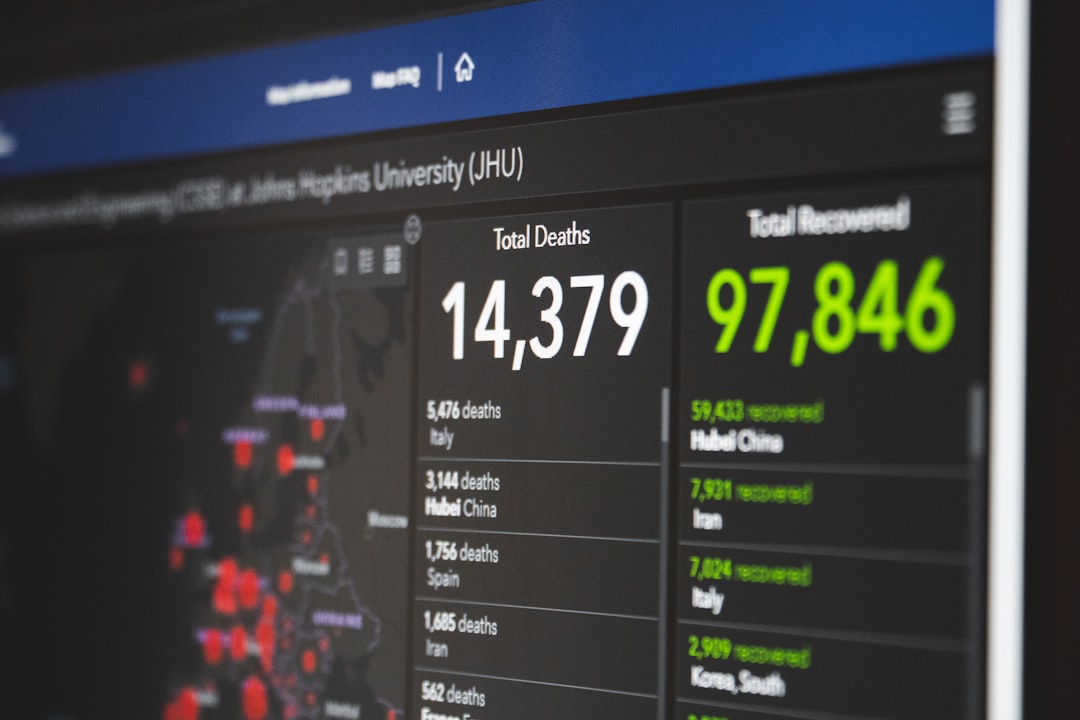
Key performance-enhancing activities provided by IT support teams include:
- 24/7 system monitoring to detect issues before they escalate into outages.
- Regular software updates and patch management to maintain stability and compatibility.
- Infrastructure optimization to ensure networks and systems operate at peak efficiency.
- Rapid incident response that minimizes downtime and operational disruption.
By implementing structured service-level agreements (SLAs), businesses gain predictable response times and measurable performance standards. This level of accountability ensures that technical problems are resolved swiftly and professionally. Reduced downtime directly translates to increased productivity, enhanced employee morale, and sustained operational momentum.
Moreover, IT support services help streamline workflows through automation and digital integration. Whether integrating cloud-based tools, optimizing enterprise resource planning systems, or consolidating communication platforms, a skilled IT team ensures that technology works cohesively rather than in silos.
Strengthening Cybersecurity in an Expanding Threat Landscape
Cybersecurity remains one of the most pressing challenges for organizations operating in the digital economy. Ransomware attacks, phishing campaigns, insider threats, and data breaches have grown in both sophistication and frequency. Strong IT support services form the foundation of an organization’s defense strategy.

Effective IT support teams implement layered security measures, such as:
- Advanced firewall and endpoint protection solutions.
- Multi-factor authentication to safeguard access credentials.
- Regular vulnerability assessments and penetration testing.
- Data encryption both in transit and at rest.
- Continuous threat monitoring using sophisticated detection tools.
However, technology alone is insufficient. IT support services also foster a culture of security awareness by training employees to recognize suspicious activity, avoid phishing attempts, and maintain secure digital hygiene. Human error remains a significant factor in security incidents; consistent education dramatically reduces exposure.
Beyond prevention, IT support providers design comprehensive incident response plans. In the event of a breach, clearly defined procedures minimize damage, preserve data integrity, and facilitate rapid recovery. By establishing data backup strategies and disaster recovery protocols, organizations protect critical assets against both malicious attacks and unforeseen disruptions.
Driving Strategic Alignment and Business Growth
Modern IT support services are not limited to maintaining infrastructure. They play a pivotal advisory role in aligning technology investments with business objectives. Executive leadership increasingly depends on IT professionals to evaluate new platforms, assess risk, and build scalable systems that support long-term growth.
Strategic IT guidance contributes to:
- Scalable cloud migrations that reduce capital expenditures.
- Digital transformation initiatives that modernize operations.
- Data analytics implementation for improved decision-making.
- Process automation that enhances efficiency and reduces manual error.
When IT support teams collaborate closely with business leaders, technology becomes a catalyst rather than a constraint. Whether expanding into new markets, launching digital services, or adopting hybrid work models, organizations with strong IT foundations can move with agility and confidence.
Ensuring Regulatory Compliance and Risk Management
Compliance requirements are becoming increasingly complex across industries. From data protection frameworks to financial reporting standards, organizations must demonstrate careful stewardship of sensitive information. Failure to comply can result in substantial penalties and reputational harm.
Professional IT support services assist by:
- Maintaining audit trails and documentation.
- Implementing secure access controls.
- Ensuring data retention policies are properly executed.
- Conducting regular compliance assessments.
By embedding compliance measures within daily operations, IT teams reduce legal and operational risks. Automated monitoring tools provide transparency into system activity, allowing businesses to identify irregularities before they escalate into regulatory violations.
This disciplined approach to risk management also reassures clients, investors, and partners. Demonstrating robust security and governance frameworks enhances trust—an invaluable asset in competitive markets.
Supporting Remote and Hybrid Work Environments
The global shift toward remote and hybrid work has expanded the digital perimeter of organizations. Distributed teams require secure access to centralized systems, reliable collaboration tools, and consistent technical support regardless of location.

IT support services enable this flexibility by:
- Deploying secure virtual private networks (VPNs).
- Implementing cloud-based collaboration platforms.
- Managing mobile device security.
- Providing remote troubleshooting and helpdesk assistance.
Effective IT support guarantees that employees experience minimal disruption, whether working from corporate offices or remote environments. By maintaining consistent connectivity and data access, businesses preserve team productivity and maintain service quality for customers.
Reducing Costs and Improving Resource Allocation
While IT support services represent a financial investment, they frequently reduce overall operational costs. Proactive maintenance prevents expensive downtime, while strategic infrastructure planning avoids unnecessary capital expenditures.
Cost-saving advantages include:
- Predictable budgeting through managed service agreements.
- Reduced emergency repair expenses.
- Optimized hardware and software lifecycle management.
- Minimized productivity losses from system failures.
Furthermore, outsourcing or augmenting internal IT capabilities allows organizations to access specialized expertise without maintaining large in-house teams. This balanced resource allocation enables leadership to focus on core competencies while maintaining technological excellence.
Enabling Data-Driven Decision-Making
Data is one of the most valuable assets in the digital economy. However, raw data alone provides limited benefit without secure storage, accurate processing, and meaningful analysis. IT support services ensure that data infrastructure is resilient, accessible, and well-governed.
By supporting business intelligence platforms and analytics tools, IT teams empower executives with actionable insights. Reliable data systems enable:
- Performance tracking across departments.
- Customer behavior analysis.
- Supply chain optimization.
- Financial forecasting and risk assessment.
Accurate, real-time information strengthens leadership decision-making and reduces uncertainty. Businesses that can quickly interpret and act upon data maintain a distinct competitive advantage.
Gaining Competitive Advantage Through Technological Excellence
In highly competitive markets, organizations must differentiate themselves through reliability, innovation, and customer experience. IT support services contribute directly to each of these dimensions.
Reliability is achieved through stable systems and secure platforms that maintain uninterrupted customer interactions. Innovation is supported by adaptable infrastructure capable of integrating emerging technologies such as artificial intelligence, automation, and advanced analytics. Customer experience improves when digital services perform smoothly and securely.
Companies with mature IT support capabilities often bring products to market faster, deploy new solutions more efficiently, and respond to disruptions more effectively than competitors with weaker technology foundations. This agility becomes a lasting strategic advantage.
Building Trust and Organizational Resilience
Trust has become a cornerstone of digital commerce. Customers expect their data to be protected, transactions to be secure, and services to remain available. Investors and partners seek assurance that technology-related risks are properly managed.
Robust IT support services reinforce that trust by maintaining:
- High system availability.
- Transparent security protocols.
- Consistent data protection policies.
- Resilient disaster recovery frameworks.
Resilience extends beyond cybersecurity. Natural disasters, hardware failures, and software incompatibilities can all disrupt operations. A disciplined IT support structure ensures business continuity even in times of crisis.
Conclusion
As organizations continue to digitize their operations, the strategic importance of IT support services will only intensify. They are not merely technical troubleshooters but vital enablers of operational excellence, cybersecurity strength, and sustainable growth.
By proactively managing infrastructure, defending against cyber threats, aligning technology with business strategy, and ensuring regulatory compliance, IT support services provide measurable value. They reduce risk, improve performance, and empower informed decision-making. In the competitive landscape of the digital economy, businesses that prioritize disciplined, forward-looking IT support position themselves not just to survive, but to lead.