
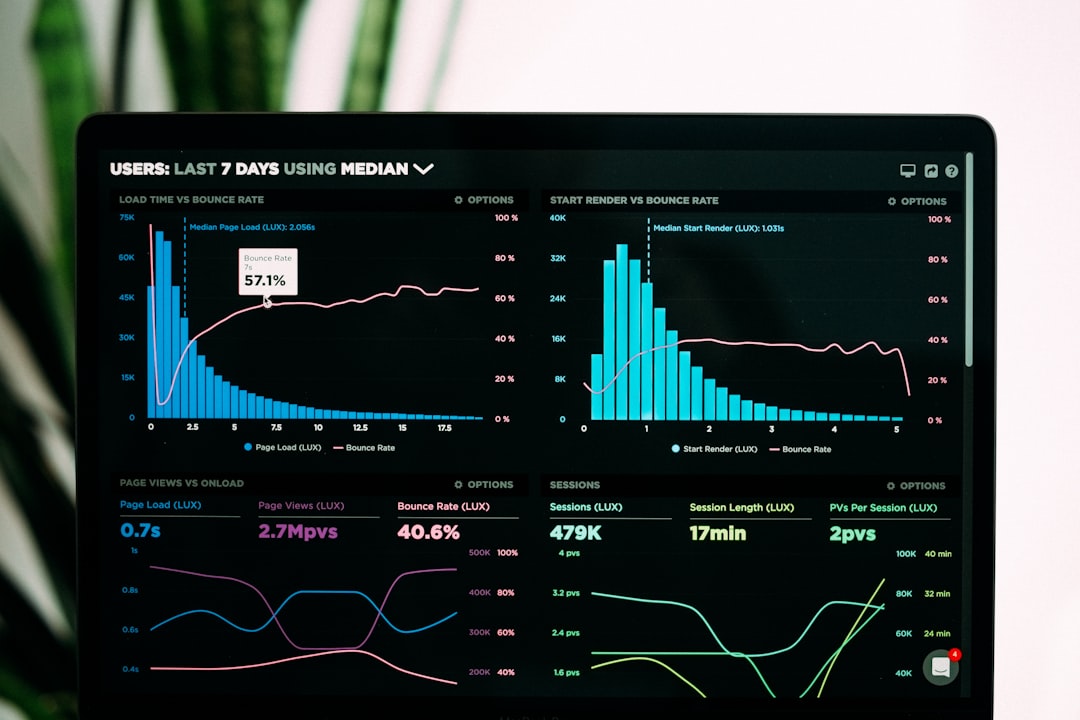
Search engine rankings are never static. Algorithms evolve, competitors optimize, and user behavior shifts constantly. For marketers, keeping an eye on keyword positions in search engine results pages (SERPs) is not just helpful—it is essential. The right keyword tracking tool can reveal ranking opportunities, alert you to sudden drops, and uncover competitive insights that would otherwise go unnoticed.
TLDR: Keyword tracking tools help marketers monitor SERP movements, analyze competitor performance, and adjust strategies in real time. The best platforms combine accurate rank tracking with actionable insights and intuitive dashboards. In this article, we explore four top keyword tracking tools that stand out for reliability, features, and scalability. If you are serious about SEO performance, these tools deserve your attention.
Let’s dive into four of the most powerful keyword tracking tools available to marketers today and examine what makes each one a standout choice.
1. Semrush: All-in-One SEO Intelligence
Semrush has become a household name in digital marketing for good reason. It offers comprehensive keyword tracking capabilities combined with competitive intelligence, site audits, and content research tools.
Key Features:
- Position Tracking with daily updates
- Competitor ranking comparison
- Local and mobile SERP tracking
- SERP feature monitoring (featured snippets, local packs, etc.)
- Volatility tracking to monitor algorithm updates
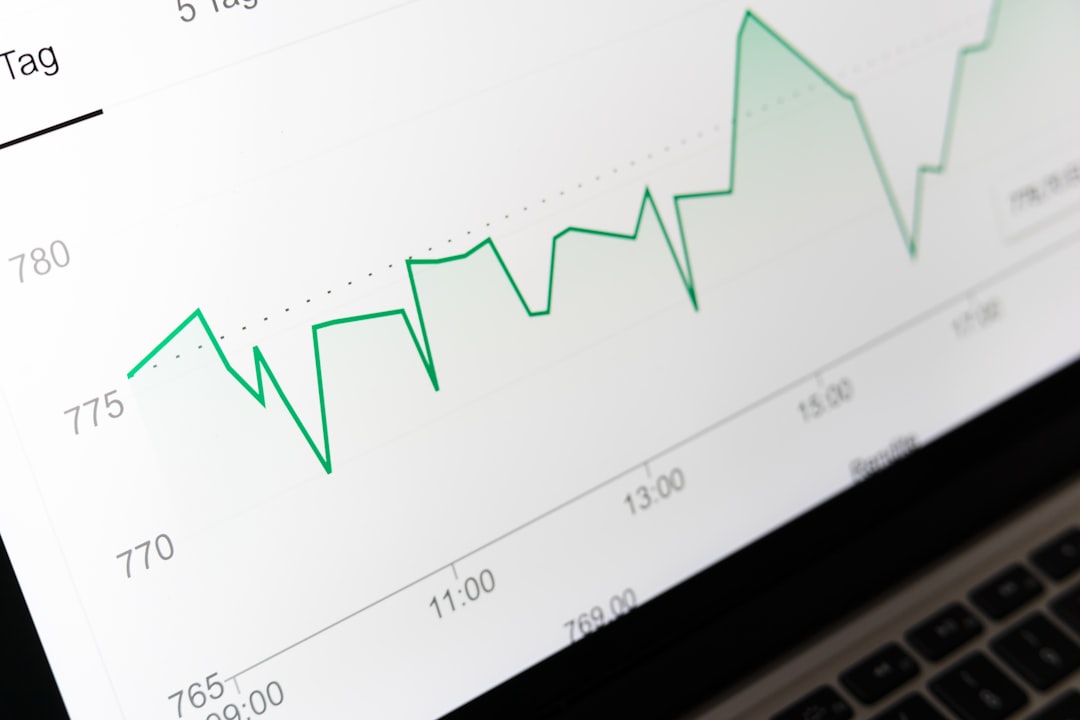
One of Semrush’s biggest strengths is its ability to provide context around keyword performance. You are not just tracking positions—you are seeing which SERP features appear, how visibility changes over time, and how competitors shift their strategies.
For agencies and larger marketing teams, Semrush offers robust reporting capabilities. You can generate professional PDF reports for stakeholders and automate delivery. The customizable dashboards allow teams to focus on the metrics that matter most.
Best For: Marketers who want an all-in-one platform that integrates keyword tracking with broader SEO and content marketing efforts.
Potential Drawback: With so many features available, the interface can feel overwhelming for beginners.
2. Ahrefs: Precision and Competitive Depth
Ahrefs is widely respected for its backlink database, but its keyword tracking and SERP monitoring tools are equally powerful. Its Rank Tracker tool is known for accuracy and clean data visualization.
Key Features:
- Accurate ranking updates across desktop and mobile
- Competitor comparison graphs
- Historical ranking data
- Share of voice metrics
- Click-through rate estimates based on SERP features
Ahrefs excels at showing the bigger competitive picture. With its “Share of Voice” metric, marketers can quantify how much organic traffic they truly own compared to competitors. This shifts the focus from vanity rankings to measurable market presence.
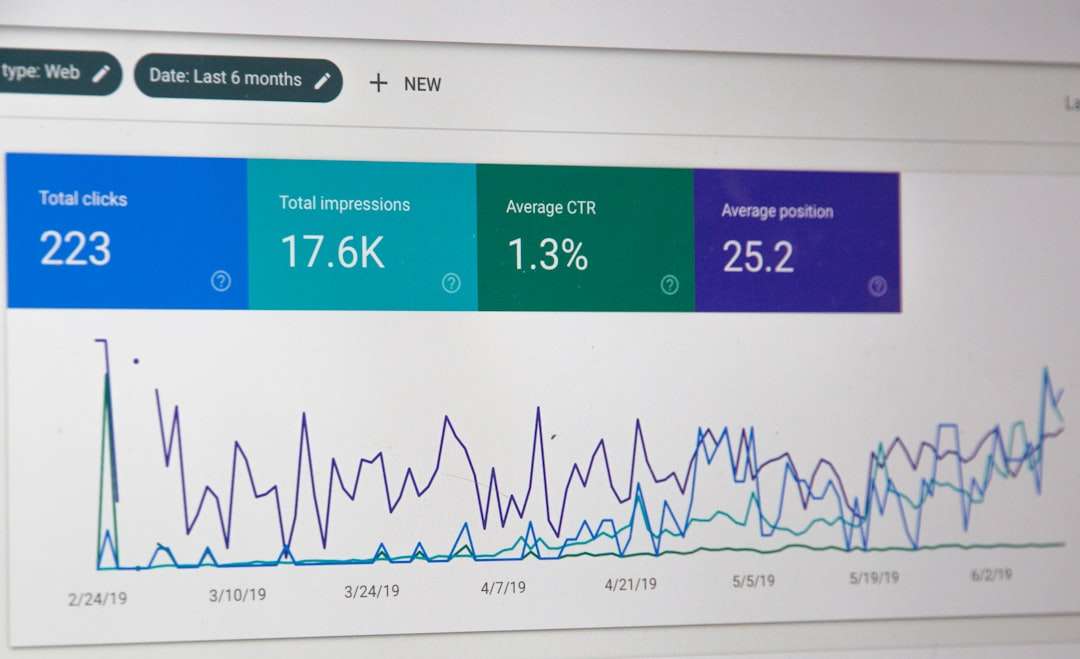
Another standout feature is its intuitive interface. Reports are visually clean, making it easy to identify upward trends, sudden drops, or ranking volatility.
The integration between keyword tracking and Ahrefs’ keyword research tool also enables seamless optimization. If you notice a ranking drop, you can quickly investigate keyword difficulty, search intent alignment, and backlink gaps.
Best For: SEO professionals who prioritize competitor analysis and data accuracy.
Potential Drawback: Pricing may be steep for small businesses with limited keyword needs.
3. SE Ranking: Flexible and Budget-Friendly
SE Ranking is often described as the perfect balance between functionality and affordability. It provides accurate keyword tracking while remaining accessible for small to mid-sized businesses.
Key Features:
- Customizable ranking update frequency (daily, weekly)
- Local keyword tracking down to city level
- Google Maps and SERP feature tracking
- White-label reporting
- Competitor ranking insights
One of SE Ranking’s strongest advantages is its flexible pricing model. Marketers can adjust update frequency and keyword limits to control costs, making it a scalable choice for growing teams.
The platform also shines in local SEO tracking. If your business relies heavily on geographic visibility, you can track rankings at a highly granular level. This is essential for industries like hospitality, healthcare, and home services.
SE Ranking’s clean dashboard ensures that even beginners can get started quickly. The tool prioritizes usability without sacrificing essential functionality.
Best For: Small businesses, startups, and agencies seeking affordability and flexibility.
Potential Drawback: It may lack the extensive data depth found in more enterprise-focused tools.
4. AccuRanker: Speed and Precision at Scale
When speed is critical, AccuRanker stands out. Known for its lightning-fast data updates, this platform focuses specifically on keyword tracking excellence.
Key Features:
- On-demand ranking updates
- Highly accurate location-based tracking
- Tag-based keyword organization
- SERP feature analysis
- Integration with analytics platforms
AccuRanker’s defining advantage is real-time performance monitoring. If Google rolls out an algorithm update, you can refresh rankings instantly rather than waiting for scheduled updates. For fast-moving industries, this can be a significant competitive advantage.
The tagging system is particularly helpful for large campaigns. Marketers can segment keywords by product lines, content themes, or campaign goals. This makes goal tracking more structured and actionable.
Additionally, AccuRanker integrates smoothly with analytics and reporting tools, enabling cross-channel performance evaluation.
Best For: Enterprise-level marketers and SEO agencies requiring rapid, high-volume tracking.
Potential Drawback: The tool is highly specialized, so you may need additional platforms for broader SEO research.
What to Look for in a Keyword Tracking Tool
Choosing the right keyword tracking platform depends on your unique marketing needs. However, there are several universal factors to consider:
- Accuracy: Reliable data is non-negotiable.
- Update Frequency: Daily updates are ideal for competitive niches.
- Competitor Insights: Understanding rivals’ movements gives context to your own fluctuations.
- SERP Feature Monitoring: Featured snippets, local packs, and other elements impact click-through rates.
- Reporting Capabilities: Especially important for agencies or client-facing teams.
- Scalability: Ensure the tool can grow with your business.
Monitoring SERP movements is not just about checking rankings weekly. It involves detecting trends, analyzing volatility, and responding strategically. A sudden ranking drop might indicate a technical issue, content mismatch, or increased competition.
At the same time, gradual upward movement often signals successful optimization. Tracking tools make these patterns visible, turning data into actionable insight.
Why SERP Monitoring Matters More Than Ever
Google’s search results have become increasingly dynamic. With AI-driven results, featured snippets, knowledge panels, and video results occupying more space, traditional blue links are no longer the sole focus.
This makes continuous monitoring essential. You need to know not only whether you rank—but also where and how your listings appear.
For example:
- Is your content earning featured snippets?
- Are competitors dominating local packs?
- Have AI summaries pushed organic results lower?
- Is mobile performance diverging from desktop?
Without a reliable tracking tool, these questions become guesswork.
Final Thoughts
The right keyword tracking tool can transform your SEO strategy from reactive to proactive. Whether you choose an all-in-one powerhouse like Semrush, a competitor-focused platform like Ahrefs, a flexible solution like SE Ranking, or a precision tool like AccuRanker, the key is consistent monitoring and strategic action.
SERP movements are inevitable. Rankings will rise and fall. Competitors will innovate. Algorithms will evolve. But with the right tools in place, you can respond confidently, seize new opportunities, and maintain a strong organic presence.
In today’s competitive digital landscape, keyword tracking is not just a reporting exercise—it is your early warning system, your competitive radar, and your roadmap for sustainable growth.