
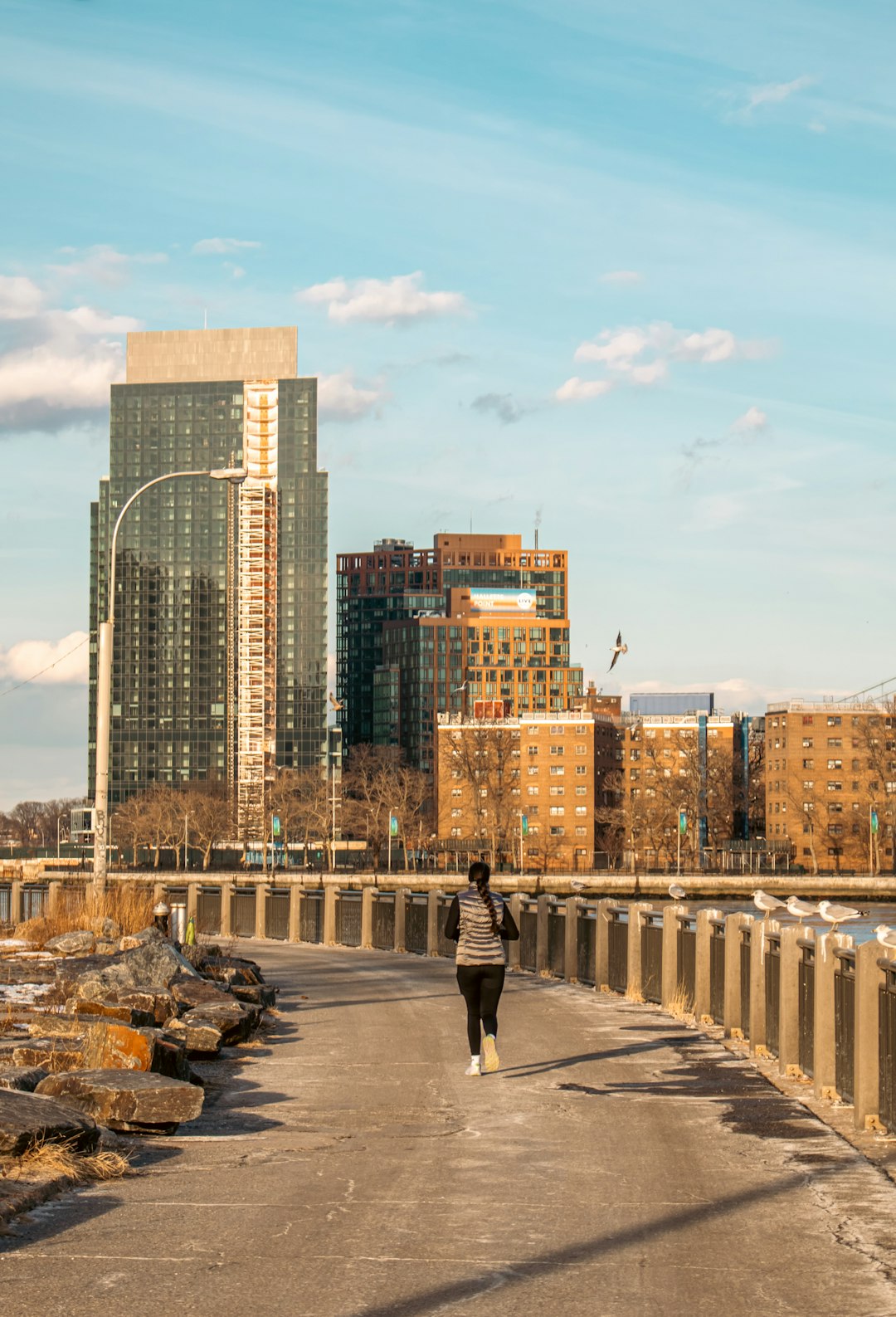
In the hustle and bustle of modern urban life, maintaining a healthy lifestyle can often feel like an uphill battle. With long work hours, traffic congestion, and limited access to open spaces, city dwellers are increasingly challenged to stay physically active, mentally refreshed, and socially connected. That’s where city parks and public spaces step in, playing a transformative role in urban well-being.
TLDR
City parks and public spaces enhance urban living by offering residents a natural retreat within concrete jungles. These green areas promote physical activity, reduce mental stress, and foster community bonding. As cities grow denser, public spaces become essential for a balanced and healthy lifestyle. Investing in and maintaining these spaces should be a priority for urban planners and governments worldwide.
The Multifaceted Benefits of Urban Green Spaces
City parks and public spaces are not just pleasant amenities—they are vital infrastructure for public health. Their advantages are seen across physical, mental, and social wellness dimensions:
1. Physical Health and Activity
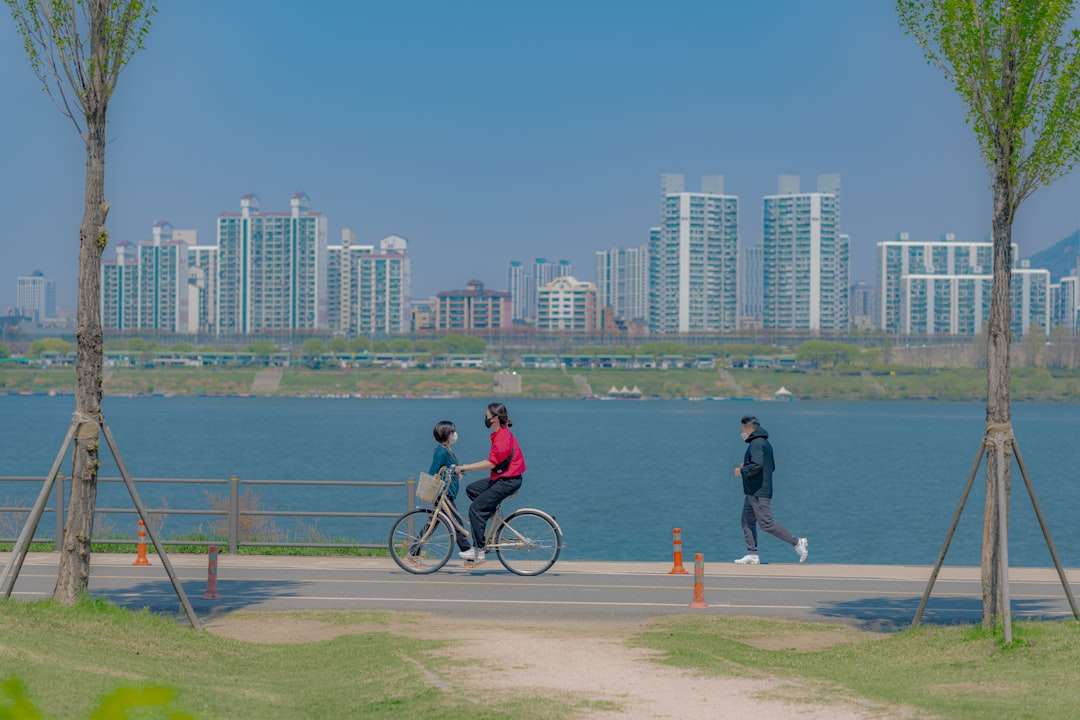
Access to well-maintained green areas encourages residents to engage in various forms of exercise, such as walking, jogging, biking, yoga, and team sports. These opportunities create more movement throughout the day and help combat lifestyle diseases like obesity, diabetes, and cardiovascular problems.
- Encourages regular walking and movement
- Supports outdoor fitness classes and workouts
- Promotes play and exercise among children
- Provides safe venues for elderly exercise routines
Research has shown that proximity to parks correlates with higher levels of physical activity. People who live near parks are more likely to stick to a fitness routine without the cost and time involved in going to the gym.
2. Mental Well-Being and Stress Reduction
Urban living often means dealing with noise, pollution, and sensory overload. By contrast, green spaces offer a sanctuary where people can recharge mentally. Trees, water features, and open skies create a calming visual and auditory escape from everyday stressors.
Numerous studies show that even short walks in parks can lower cortisol levels, reduce anxiety, and elevate mood. Natural surroundings help people reset their mental focus, leading to improved productivity and better quality of life.
- Boosts mood and emotional well-being
- Reduces stress and enhances relaxation
- Supports mindfulness and meditation
- Improves sleep quality through relaxation
3. Social Connections and Community Engagement
The social benefits of parks are equally impactful. Public spaces need not revolve solely around greenery—they include plazas, waterfronts, and pedestrian-friendly roadways. These areas naturally bring people together, supporting spontaneous interaction, planned events, and shared experiences.
- Encourages intergenerational bonding
- Facilitates community events and festivals
- Supports informal socializing and cultural exchange
- Reduces social isolation, particularly for seniors
In multicultural urban environments, parks can be vital hubs for cultural integration and harmony. Activities like community gardening, musical performances, and holiday events allow people to engage with others outside their usual social spheres.
Design Matters: What Makes Parks Effective?
Not all green spaces are equally beneficial. The design, accessibility, and safety of a park significantly influence how often and effectively it’s used. Here are some elements that contribute to a successful urban public space:
- Accessibility: Easily reachable by foot, bike, or public transit
- Safety: Well-lit pathways, clearly marked entrances, and regular maintenance
- Facilities: Clean bathrooms, water fountains, and ample seating areas
- Diverse Features: Playgrounds, sports courts, open lawns, and nature trails
- Inclusivity: Designs that cater to different age groups, abilities, and interests
A well-designed park invites a broader demographic—families with strollers, teenagers on skateboards, seniors seeking tranquility, and professionals looking for a brief escape during lunch breaks.
Environmental and Economic Benefits
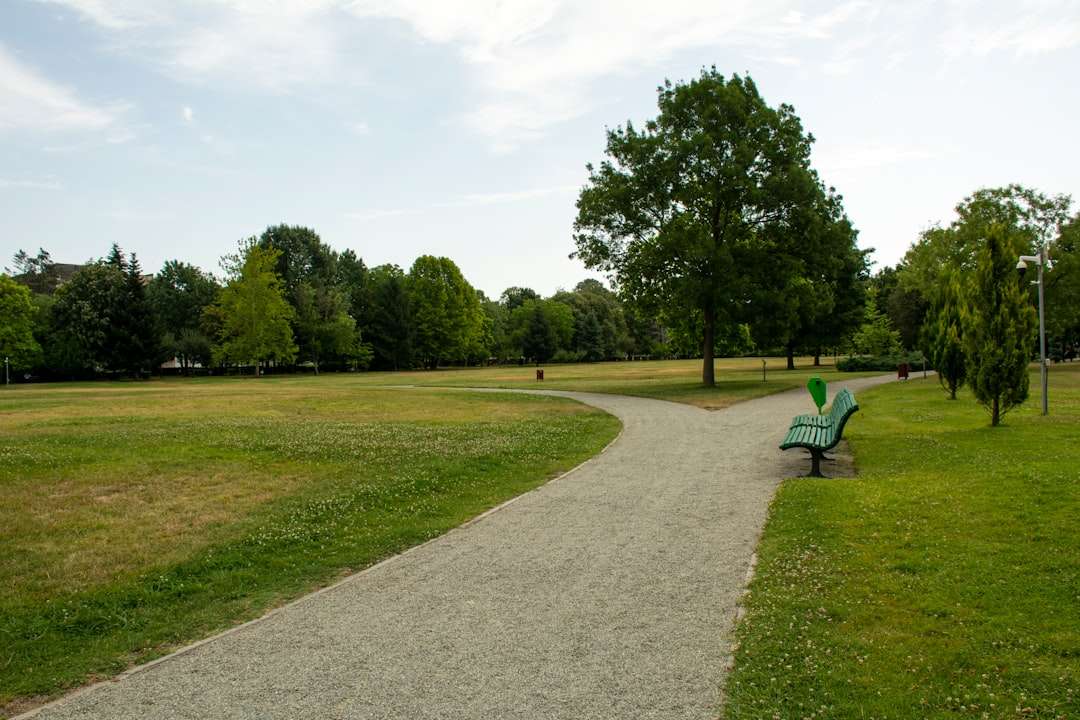
Beyond health and social gains, city green spaces also deliver measurable environmental and economic benefits. Parks contribute to better air quality, reduced urban heat, and improved biodiversity.
- Filter air pollutants and improve oxygen levels
- Reduce heat island effects in dense urban areas
- Provide habitats for urban wildlife
- Control stormwater and reduce flooding
From an economic perspective, research consistently demonstrates that property values are higher near well-kept parks—and that these spaces attract tourism and local business activity. A flourishing park can become a destination in itself, drawing food vendors, artists, and performers, which in turn enriches the city’s cultural fabric and economy.
Case Studies: Urban Parks That Changed Cities
High Line – New York City
An old elevated railway turned urban park, the High Line has redefined how city infrastructure can be repurposed into green oases. It draws millions annually and has spurred significant real estate and cultural development in the surrounding areas.
Millennium Park – Chicago
Millennium Park fused art, architecture, and green space into one inviting space. It’s not only a recreational area but also a major tourist attraction and venue for public programs year-round.
Gardens by the Bay – Singapore
This futuristic public space integrates environmental technology and landscape architecture to promote sustainability while offering breathtaking beauty. It’s a shining example of how parks can embody ecological education and wellness simultaneously.
Inclusive Planning: Everyone Deserves Green
While urban parks benefit everyone, specific care must be taken to ensure equitable access. Historically, underserved communities often lack nearby public spaces, exacerbating health disparities. Commitment to park equity means distributing funding, maintenance, and design effort in a way that includes:
- Low-income neighborhoods
- Communities of color
- People with disabilities
- Children and seniors
Participatory planning, where community members are invited to help design their local spaces, leads not only to more responsive design but also a stronger sense of civic pride and ownership. When people help shape their environment, they’re more likely to use and protect it.
Looking Ahead: The Future of Green Public Spaces
The experiences of lockdown and isolation during global health crises like the COVID-19 pandemic made one thing crystal clear—urban residents crave access to outdoor spaces. As cities densify and populations grow, making room for nature in urban environments is not just a luxury but a necessity.
Urban planners and policymakers worldwide must continue to prioritize green infrastructure alongside transit, housing, and commercial development. Innovations like green rooftops, vertical gardens, and multi-use green corridors are expanding the definition of what a city park can be.
Conclusion
City parks and public spaces are more than leisure amenities—they are physical and psychological lifelines for urban populations. By supporting healthier bodies, calmer minds, and stronger communities, they underpin the social and environmental resilience of a city. In designing the cities of tomorrow, we must remember: more parks mean more life, quite literally, in every sense of the word.
Whether it’s a sunrise jog, a family picnic, or simply a moment’s peace under a tree—urban green spaces allow us all to breathe a little easier.