In a world increasingly shaped by technology, innovation, and shifting cultural paradigms, new terms and concepts often emerge to describe ideas that may previously have been overlooked or underdeveloped. One such concept gaining attention is dihward. Although unfamiliar to many, dihward is rapidly entering conversations in fields ranging from productivity and psychology to design and education. Understanding what dihward is, how it’s used, and why it’s significant can offer new insights into modern living and thinking.
TL;DR
Dihward is a concept emphasizing intentional separation from overwhelming input to achieve deeper focus, creativity, or clarity. It relates closely to mindfulness, digital detox, and the flow state, but encapsulates a more structured retreat from distraction. Practically, dihward can be used personally or professionally—as a daily habit, a design principle, or a tool in mental wellness. Its growing relevance marks a cultural response to today’s overstimulated environment.
What Is Dihward?
The term dihward is derived from a compound of “digital” and “inward,” highlighting a turn away from digital or external stimuli and directing one’s attention inward. Where digital life encourages outward sharing, constant engagement, and fast feedback loops, dihward represents a conscious and scheduled retreat from these dynamics. The aim is not isolation but intentional quietude—a space where one can reflect, create, or heal with minimal external interference.
While the term is relatively new, the philosophy behind it is rooted in ancient practices. Think of monks retreating into silence, artists seeking solitude for inspiration, or modern thinkers advocating for “deep work.” Dihward gives a name to such a process in the context of contemporary, screen-dominated life.
How Dihward Works in Practice
Dihward is applied in various forms, each tailored to individual needs or organizational goals. Below are practical applications where dihward finds meaningful expression:
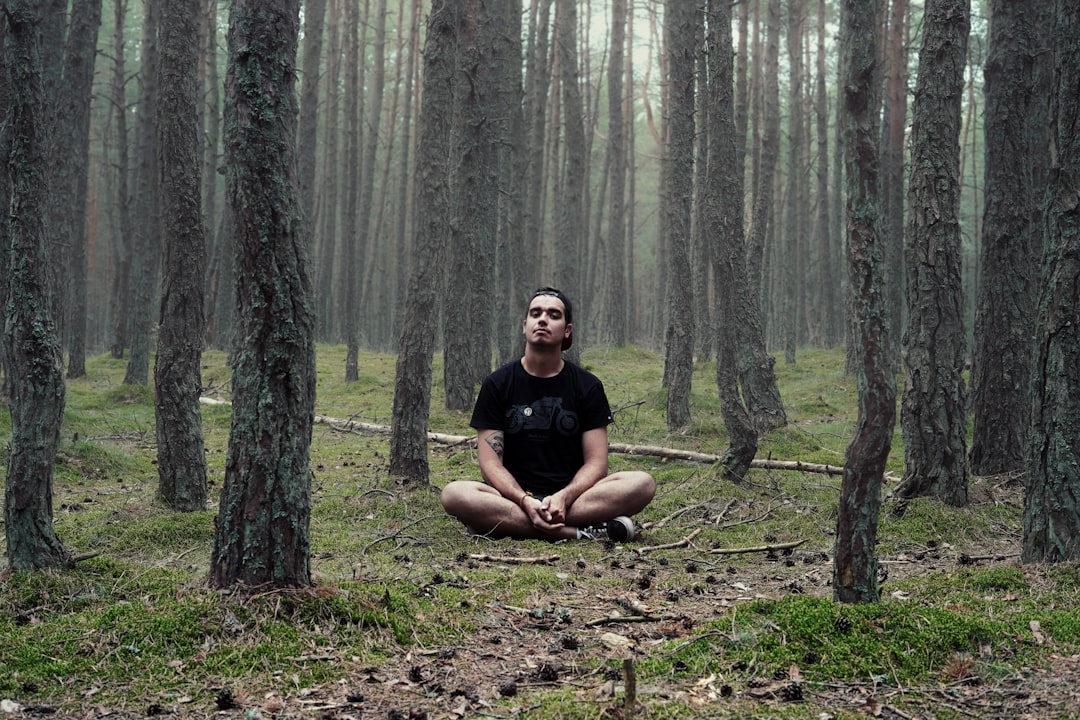
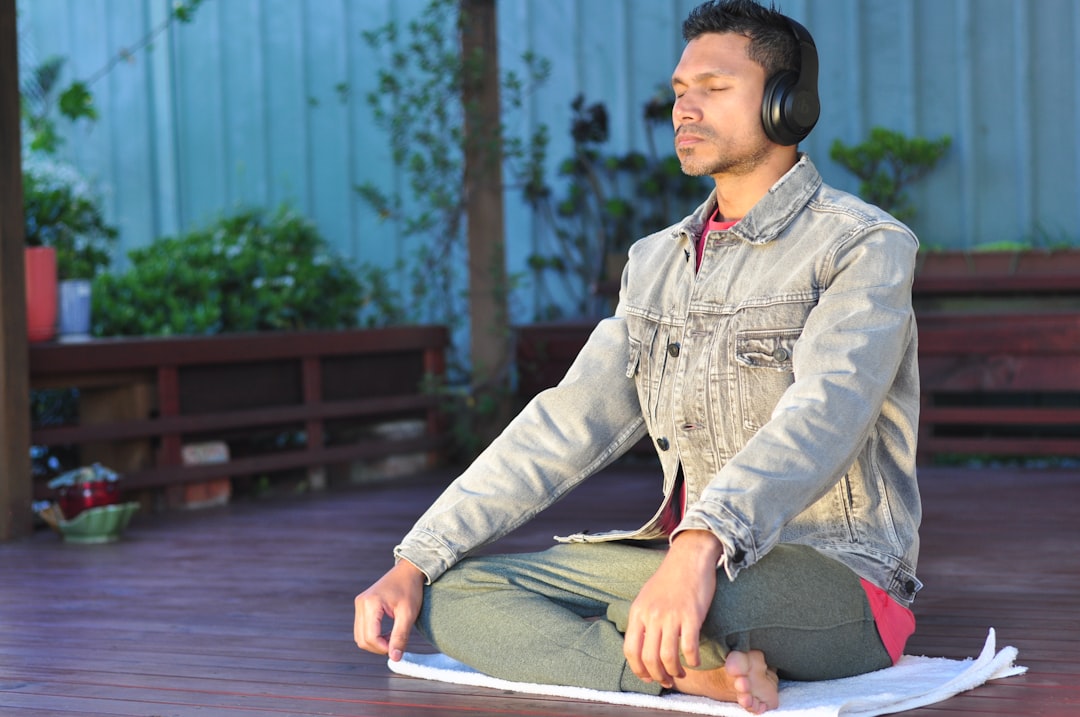
- Personal Reflection: Setting aside time each day to journal, meditate, or simply sit in silence without screens.
- Workplace Strategy: Companies encouraging blocks of uninterrupted time where workers can focus away from emails, chat messages, or meetings.
- Creative Process: Writers, artists, and designers adopting dihward in their workflow—for instance, beginning projects offline with pen and paper.
- Well-being Rituals: Incorporating dihward into therapy or mental health programs as a regular check-in with one’s emotional and mental state.
Dihward is not rigid. Some use it in short intervals—say, 20 minutes before beginning a task—while others dedicate full weekends or retreats to it. The only constant is the intention behind it: doing less externally to achieve more internally.
Dihward Versus Similar Concepts
Dihward often gets confused with other practices like digital minimalism, mindfulness, or even meditation retreats. While all of these emphasize a degree of disconnection and presence, dihward includes several unique attributes:
- Structure: Unlike a vague mindfulness practice, dihward often follows a personal ritual or routine, giving it a structured edge.
- Purpose-Driven: The aim is usually clear—preparing for a major decision, solving a problem, resting the cognitive load, or creating something new.
- Modern Framing: Dihward is framed for the digital age—its language and style are designed for today’s fast-paced, tech-focused audience.
Dihward in Different Fields
Different industries and disciplines have started to embrace or parallel the concept of dihward, albeit under different names. Here are several fields where it is gaining traction:
Education
Teachers and schools are developing practices that give students dihward opportunities—brief screen-free moments during classes or designated quiet zones in digital classrooms. These help improve concentration and reduce burnout among learners increasingly glued to their devices.
Healthcare
Mental health professionals recommend periods of dihward as part of anxiety and stress-reduction strategies. These moments foster emotional clarity by allowing patients to escape the overstimulation of modern life and reconnect with their inner landscape.
Tech and Product Design
Ironically, some tech companies have adopted dihward principles to create “off-modes,” or focus-first versions of apps. Interface designers now consider how they can incorporate dihward-style breaks or low-interaction modes into apps.
Why Dihward Matters in Today’s World
Today, the human brain is constantly overwhelmed by notifications, media, and social noise. Attention is fragmented, and creativity often suffers. More people are reporting fatigue, digital burnout, and the inability to sustain focus. Dihward offers a regenerative pause—not by rejecting digital life entirely, but by redefining our relationship with it.
By building dihward into daily or weekly routines, individuals can access deeper layers of thought, resolve stress, spark new ideas, and feel more in control of their mental space. In many ways, dihward is about reclaiming autonomy over where attention goes.
How to Start Practicing Dihward
Starting a dihward practice doesn’t mean making drastic changes. In fact, gradual steps tend to work best. Below are ways to integrate dihward into daily life:
- Schedule “No Input” Time: Set aside 15–30 minutes each day to sit quietly without media or conversation. Let thoughts arise without judgment.
- Digital Sabbath: Choose one day a week to go without social media or entertainment apps. Use this time to read, walk, or write.
- Creative Unplug: Start creative projects offline—write longhand, sketch freely, brainstorm on paper.
- Smart Spaces: Designate areas in your home or office as “dihward zones” with no screens or interruptions allowed.
The key to dihward is consistency and intention. It’s not about perfection but cultivating a habit of turning inward regularly, like mental hygiene for a noisy age.
FAQ
What does “dihward” actually mean?
Dihward is a blend of “digital” and “inward,” describing a structured retreat from external stimuli—especially digital ones—in order to focus, reflect, or restore mental clarity.
Is dihward the same as mindfulness?
While related, dihward is more structured and purpose-driven. It incorporates mindfulness but aims at specific outcomes like creative thought recovery, stress relief, or deep work enhancement.
How long should a dihward session last?
There are no fixed rules. It can last from 15 minutes to an entire weekend. The length depends on your goals and lifestyle.
Can dihward be practiced at work?
Absolutely. Many professionals find value in short dihward sessions like “focus hours” where they disconnect from chat apps and notifications to zone in on vital tasks.
Does dihward require meditation or spiritual beliefs?
No. While some may integrate spiritual practices, dihward is a secular tool that anyone can use for focus, creativity, or well-being.
In a landscape saturated with content, constant demands, and ever-accelerating expectations, dihward offers a necessary countercurrent. It isn’t about turning away from the world but rather pausing just long enough to return better equipped for it.