We all love free stuff—especially free music! But sometimes that song you just *have* to hear is only available on a shady website. You wonder: “Is this okay?” “Will the music police come after me?” Let’s break it down in a fun and simple way.
TLDR:
Listening to pirated music is not exactly legal, even if you didn’t download it yourself. It depends on how you’re accessing it. If the source is illegal, you’re probably doing something illegal too. It’s best to stick with legal music platforms to stay safe and support the artists you love.
Okay, so what is pirated music?
Pirated music is any song or album that is shared, copied, or sold without permission from the artist or record label.
Imagine someone sneaking into a concert and selling tickets to others. They didn’t pay to watch the show but are making money off it. That’s kind of what piracy is—but with digital files.
- Downloading songs from shady websites? 🔥 That’s piracy.
- Getting MP3s from a friend who copied a paid album? 🙈 That’s also piracy.
- Streaming music from sites that don’t have rights to play it? 😬 Yep, still piracy.
Is listening to pirated music illegal?
This is where it gets tricky. The law isn’t always black and white.
The main thing to remember: in many countries, just listening to pirated music isn’t actively punished. But that doesn’t mean it’s okay.
Why?
- If you listen knowingly, you’re still participating in infringement.
- You’re indirectly harming the music industry (and your favorite artists).
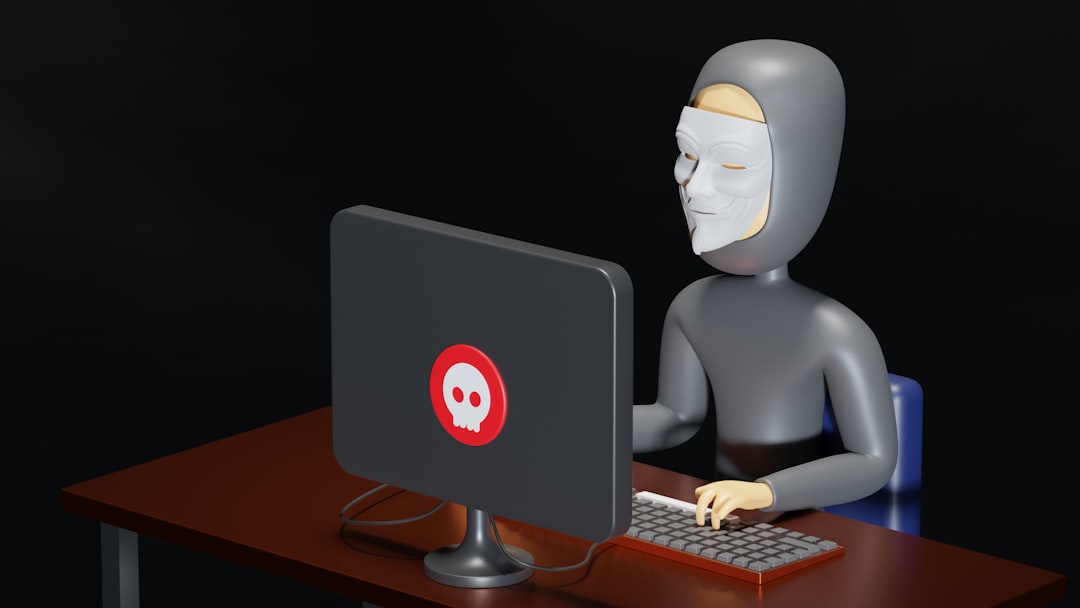
- It’s risky—many pirated sites are packed with malware and fake files!
So technically? Yes, it can still be considered illegal depending on the country and your intent.
What if I didn’t know the music was pirated?
Honest mistake? It happens!
Let’s say your friend sends you a link to a cool remix. You click it and enjoy the track. Later, someone tells you the site is a piracy haven. Yikes!
If you truly didn’t know, the law might go easy on you. Most legal systems care about intent. But if you keep using sketchy sites—even after knowing better—then you’re treading on thin legal ice.
What about YouTube and other streaming sites?
YouTube, Spotify, Apple Music—these are legal platforms. That’s because they get proper licenses for the music they offer.
But be careful. Some users upload copyrighted songs without permission. If you stream one of those, and it’s later taken down, it doesn’t mean you’re clear.
The platform might not be illegal, but how the content got there might be.
- Best practice: Stick to official artist channels or verified uploads.
- If it looks sketchy (weird titles, no descriptions), skip it.
Can you get in trouble for listening to pirated music?
You *probably* won’t get arrested for listening to a pirated song once. But there are still risks:
- Lawsuits: Some companies have sued people for sharing files or downloading illegally. Even for small amounts.
- Fines: In some countries, you can face fines—even for online streaming from pirate websites.
- Malware: Pirated music sites often carry viruses, spyware, or scary scams. Listening could cost you your data or device.
Moral of the story: it might seem “free,” but pirated music can come with a hidden cost.
Why is piracy a big deal?
When people pirate music, artists lose money. Simple as that.
Creating music isn’t cheap. Artists pay for producers, recording studios, marketing, and more. And when their work is pirated, they earn less—or nothing—from it.
Imagine working super hard on a school project… and someone just copies it, submits it, and gets a better grade. Wouldn’t that sting?
That’s how piracy feels to musicians.
What are the legal ways to listen to music?
The good news? There are tons of legal options out there!
Here are some awesome ways to stay legal and still jam out:
- Streaming apps like Spotify, Apple Music, Deezer, and more
- Video platforms like YouTube and Vevo (check for verified uploads)
- Buying MP3s through iTunes or Amazon Music
- Physical media (CDs or vinyl) for collectors and audiophiles
Pro tip: Many services like Spotify and YouTube have free versions if you don’t mind a few ads!
What can I do if I accidentally got pirated music?
Don’t panic. Just delete the files and move on. Nobody’s perfect.
Next time, double-check links before clicking. Stick to apps or sources you trust. The internet is full of traps, but you’ve got this!
Fun Fact Corner 🎵
- Some artists intentionally publish music for free. (Check out platforms like Bandcamp and SoundCloud!)
- Some countries are stricter than others about piracy. In Germany, downloading illegally can bring huge fines. In Canada, personal use is more relaxed—but still frowned upon.
- The most pirated album of all time? Allegedly, it’s “21” by Adele. Ouch.
Last Thoughts
Listening to pirated music may seem harmless. But it’s not just about breaking the law—it’s about respecting artists and protecting yourself.
There are more legal options than ever before. Some are even free. So why risk the virus, the guilt, or the angry letter from an internet provider? 😅
Stay legal, stay safe, and keep the music playing—fair and square.